Top 5 Places to Get Your Hay and Forage Tested
Every feeding program starts with forage, but not all hay is created equal.
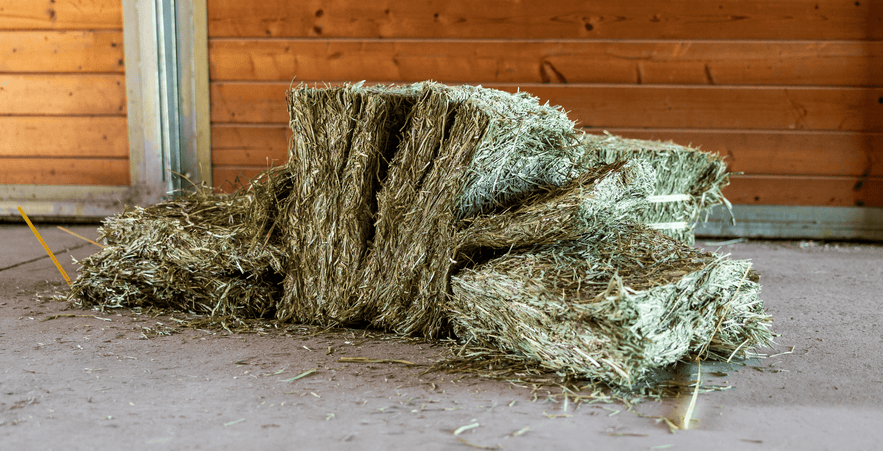
Weather, maturity at harvest, growing conditions, and storage can all impact forage quality, meaning two bales that look nearly identical may provide very different nutrition. While color, smell, and leafiness can offer clues, they can’t tell you what’s actually inside the bale.
That’s where forage testing comes in.
Key Takeaways
- Forage testing is the most reliable way to evaluate hay quality.
- A forage analysis helps identify the nutrients your hay provides and where supplementation may be needed.
- Testing is especially valuable when feeding a new hay lot or managing horses with unique nutritional needs.
- Proper sampling is critical to obtaining accurate, meaningful results.
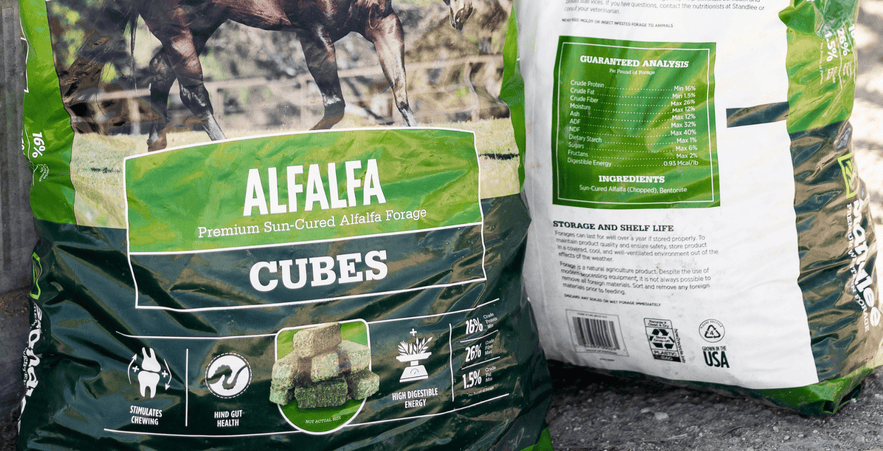
- Every Standlee forage product includes a Guaranteed Analysis (GA) backed by frequent laboratory testing for consistent nutrition.

Join Our Email List Today!
Be the first to get the latest news, promotions, updates and more from Standlee when you join our email list!
By signing up for email, you are agreeing to receive news, offers, and information from Standlee Premium Products, LLC®. You can also visit our Privacy Policy. Easy unsubscribe links are provided in every email.
A forage analysis gives you an objective look at your hay’s nutritional value, helping you better understand protein, fiber, digestible energy, minerals, moisture, and other key nutrients. Whether you’re feeding a performance horse, a senior, an easy keeper, or a growing horse, forage testing and analysis can help remove the guesswork from your feeding program.
Understanding the nutritional value of your hay helps you determine whether it’s meeting your horse’s needs and when additional vitamins, minerals, or supplementation may be beneficial.
When Should You Test Your Hay?
Testing isn’t something you need to do every time you purchase a bale, but it can be incredibly valuable when:
- Purchasing hay from a new supplier
- Feeding a new cutting or lot of hay
- Experiencing drought or challenging growing conditions
- Managing horses with metabolic concerns
- Building diets for performance horses, seniors, broodmares, or growing horses
- Trying to understand why a horse isn’t maintaining body condition as expected
Knowing what nutrients your forage provides allows you to make more informed feeding decisions and build a more balanced nutritional program.
What Can a Forage Analysis Tell You?
A forage analysis can help you:
- Evaluate overall forage quality
- Understand protein and digestible energy levels
- Measure fiber content
- Determine sugar and starch levels when appropriate
- Evaluate mineral content to help balance the total diet
- Identify potential concerns such as nitrates, mold, or mycotoxins when risk factors are present
Rather than guessing what’s in your hay, a laboratory analysis provides the information needed to feed with greater confidence.
Top 5 Places to Get Your Hay Tested
1. Dairyland Laboratories
Best for: Forage producers, livestock operations, nutrition consultants, and horse owners looking for comprehensive testing options.
Dairyland Laboratories is an independent agricultural laboratory offering a wide range of forage, feed, water, mold, and mycotoxin testing. Their comprehensive testing packages make them a strong choice for producers who want detailed nutritional information to support feeding and purchasing decisions.
Website: https://dairylandlabs.com
2. Equi-Analytical
Best for: Horse owners and equine nutrition programs.
Equi-Analytical specializes in forage testing for horses and is one of the most recognized laboratories within the equine industry. Their reports include information particularly valuable for horse owners, including protein, fiber, digestible energy, sugars, starch, and mineral profiles that can help balance the total diet.
Website: https://equi-analytical.com
3. Ward Laboratories
Best for: Livestock producers, hay growers, and operations interested in forage, water, and soil testing through one laboratory.
Ward Laboratories offers comprehensive forage testing along with water and soil testing, making it a convenient option for producers wanting to evaluate multiple aspects of their operation. Their reports can be useful for comparing hay lots, marketing forage, and supporting long-term management decisions.
Website: https://www.wardlab.com
4. Cumberland Valley Analytical Services (CVAS)
Best for: Advanced forage analysis and nutrition programs.
CVAS provides extensive forage testing and analysis services, including digestibility evaluations, fermentation analysis, mold and yeast culturing, and mycotoxin testing. These services can be especially valuable when troubleshooting performance concerns or evaluating stored forage.
Website: https://www.foragelab.com
5. Texas A&M AgriLife Extension Soil, Water and Forage Testing Laboratory
Best for: Producers looking for university-supported testing and Extension resources.
Texas A&M AgriLife offers forage analysis, soil testing, plant tissue analysis, and additional agricultural testing services. Their laboratory combines forage evaluation with agronomic resources that can help producers make informed feeding and forage management decisions.
Website: https://soiltesting.tamu.edu
Choosing the Right Laboratory
The best laboratory depends on your goals. If you’re feeding horses, you’ll likely want a report that includes:
- Crude protein
- Digestible energy
- Fiber measurements (ADF and NDF)
- Moisture or dry matter
- Sugar and starch values (when appropriate)
- Mineral analysis
If you’re working with an equine nutritionist or veterinarian, they can help determine which testing package best fits your horse’s nutritional needs and interpret the results within the context of the entire feeding program.
Collecting a Representative Sample
Even the most accurate laboratory can’t produce meaningful results from a poor sample.
To improve the accuracy of your results:
- Sample one lot of hay at a time.
- Use a hay probe whenever possible.
- Collect samples from multiple bales within the same lot.
- Clearly label each sample.
- Follow the laboratory’s submission and shipping instructions.
Taking a representative sample is one of the most important steps in obtaining useful results.
Using Your Forage Analysis Results
A forage test doesn’t simply tell you whether hay is “good” or “bad.” Instead, it provides the information needed to better understand what your forage contributes to the overall diet.
Once you receive your results, you may decide to:
- Match different hay lots to different classes of horses.
- Adjust vitamin and mineral supplementation.
- Work with your veterinarian or equine nutritionist to balance the complete diet.
- Compare hay quality before making purchasing decisions.
Remember, forage forms the nutritional foundation of the equine diet, but some horses have nutritional requirements that extend beyond what forage alone can provide. Understanding your forage is the first step toward building a feeding program that supports long-term health, wellness, and performance.
The Bottom Line
High-quality forage is the nutritional foundation of every horse’s diet, but understanding what’s inside your hay allows you to feed with greater confidence. A forage analysis helps take the guesswork out of nutrition by providing objective information about your hay’s nutrient content, making it easier to build a balanced feeding program that supports your horse’s individual needs.
At Standlee, we believe every feeding program starts with premium forage. That’s why we conduct frequent laboratory testing and provide a Guaranteed Analysis (GA) on every forage product we produce to give horse owners consistent, transparent nutritional information they can trust. Since 1981, we’ve helped horse owners build feeding programs around the nutritional foundation of the equine diet by combining premium forage with trusted nutrition education, because every horse deserves a strong Forage Foundation™.
Frequently Asked Questions
Is forage testing worth it for horse owners?
Yes. Forage testing provides valuable insight into the nutritional value of your hay, helping you understand whether it’s meeting your horse’s needs and whether additional vitamins, minerals, or supplementation may be beneficial. It’s especially useful for performance horses, seniors, easy keepers, and horses with specific nutritional requirements.
How often should I have my hay tested?
Whenever you purchase hay from a new supplier or begin feeding a new cutting or lot, it’s a good idea to consider testing. Weather, harvest timing, and storage conditions can all affect forage quality, even when hay looks similar.
What information does a forage analysis provide?
A typical forage analysis includes measurements such as crude protein, fiber (ADF and NDF), moisture or dry matter, digestible energy, and mineral content. Many laboratories also offer testing for sugars, starches, nitrates, mold, and mycotoxins when appropriate.
Can I tell if hay is good quality just by looking at it?
Not always. Color, smell, texture, and leafiness can provide helpful clues, but they don’t accurately measure nutrient content. Laboratory testing is the most reliable way to evaluate forage quality and understand what nutrients your hay provides.
What should I do after I receive my forage test results?
Review the report alongside your horse’s age, workload, body condition, and overall feeding program. Your veterinarian or equine nutritionist can help interpret the results and determine if any adjustments to the diet are needed.
Do I need to test Standlee forage products?
Standlee forage products already include a Guaranteed Analysis (GA) on every package, backed by frequent laboratory testing throughout production. That means you can purchase with confidence, knowing the nutritional information is readily available to help you build a balanced feeding program. If you’re feeding loose hay or forage from another source, laboratory testing can provide similar insight into its nutritional value.
Why does Standlee include a Guaranteed Analysis on its forage products?
Unlike many traditional hay products, every Standlee forage product includes a Guaranteed Analysis so horse owners know exactly what they’re feeding. Combined with frequent quality testing, this provides consistent nutritional information that supports more informed feeding decisions and greater confidence at every meal.
Additional Learning Resources
From the Standlee Barn Bulletin Blog
- Four Signs of Good Quality Horse Forage
- Ensure Your Horse Diet Includes Vitamins & Minerals
- ADF & NDF Explained: What Do They Mean for Your Horse?
- Selecting the Proper Forage for Your Horse
- Forage Forms Guide: Hay Pellets, Cubes, Chopped Forage & Compressed Bales
- Forage Fines Explained: What’s at the Bottom of Your Hay Bag?
- How to Feed a Horse | Complete Forage & Horse Feeding Guide
From the Standlee Beyond the Barn Podcast
- Ep. 045: Why Skipping a Hay Analysis Could Cost More Money in the Long Run with Sarah Fessenden
- Ep. 088: NSC, Sugars, Starches, Fructans – Are They Good or Bad for Horses?
- Ep. 047: How Properly Balancing Your Horse’s Diet Can SAVE You Money in the Long Run!
- Ep. 041: You Want to Feed Your Horse What?!
From the Standlee Nutritional Papers
Others
Products featured in this post
Enjoying the Standlee blog?
Subscribe to Standlee emails and get our newest content (and coupons, offers, and other great stuff) sent to your inbox!
Subscribe Now