Table of Contents
Table of Contents
Beet Pulp
All Available Resources On This Topic
Standlee has created and actively maintains a wealth of resources about beet pulp. Be sure to find all these resources on this page or simply click the button below to see them.
VIEW ALL RESOURCESBeet pulp is a highly digestible fiber source commonly used in equine and livestock diets. It provides fermentable fiber and energy, making it a beneficial addition to forage-based feeding programs when additional calories or digestible fiber are needed. As a recovered feed ingredient from sugar beet processing, beet pulp also provides a practical way to put valuable nutrients to use rather than letting them go to waste.
Learn what beet pulp is, how it compares nutritionally to hay and grain, and how to decide whether it belongs in your feed program.
Beet Pulp at a Glance
- A highly digestible fiber source and feed ingredient derived from the sugar beet industry
- Often described as a “super fiber” because much of its fiber is readily fermented by hindgut microbes, providing a useful source of energy
- Naturally low in starch compared with many traditional grain-based feed ingredients
- Provides a moderate source of digestible energy, making it useful when additional calories are needed
- Best suited for animals needing to gain weight, senior animals, and animals needing low-starch energy
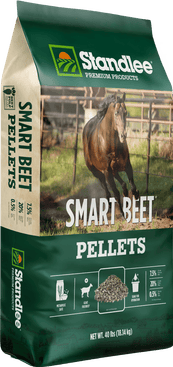
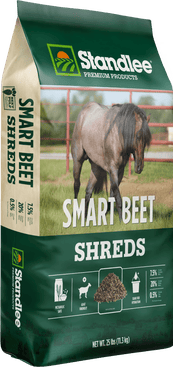
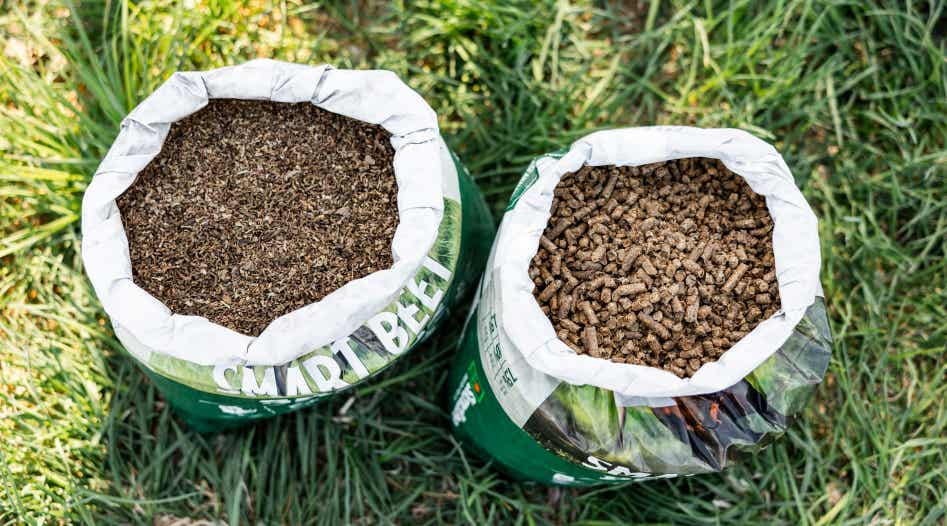
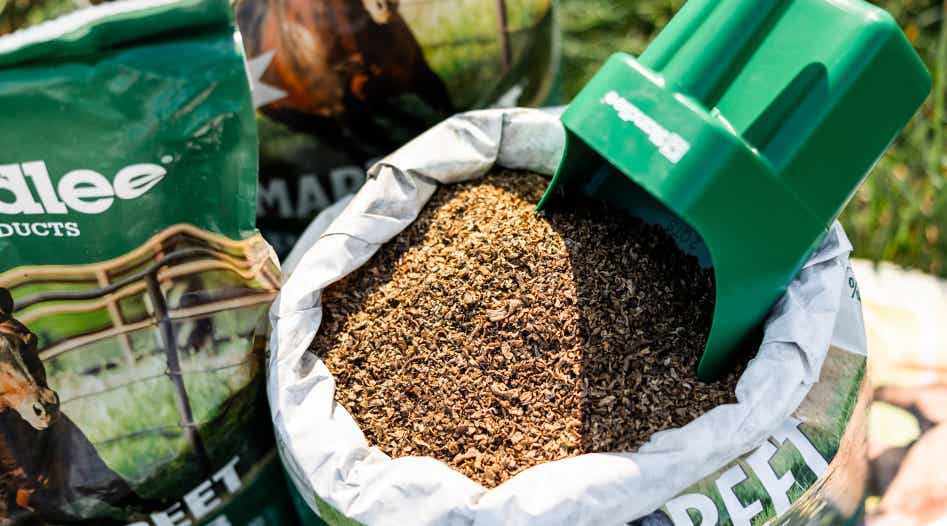
- Available formats include pellets and shreds
What Is Beet Pulp?
Beet pulp is the fibrous material left over after sugar is extracted from sugar beets. Unlike alfalfa or grass forage, it is not grown and harvested as a standalone feed crop. It is a byproduct of sugar production.
What makes beet pulp nutritionally unique is its highly fermentable fiber profile. Beet pulp is often considered a “super fiber” as it can be readily utilized by microbes in the horse’s hindgut or rumen of ruminant species, providing energy through fermentation. It provides energy comparable to oats, which comes primarily from highly fermentable fiber rather than the starch found in grains.
Beet pulp is often described as a prebiotic, which feed microbes in the hindgut of the horse.
How Are Sugar Beets Grown?
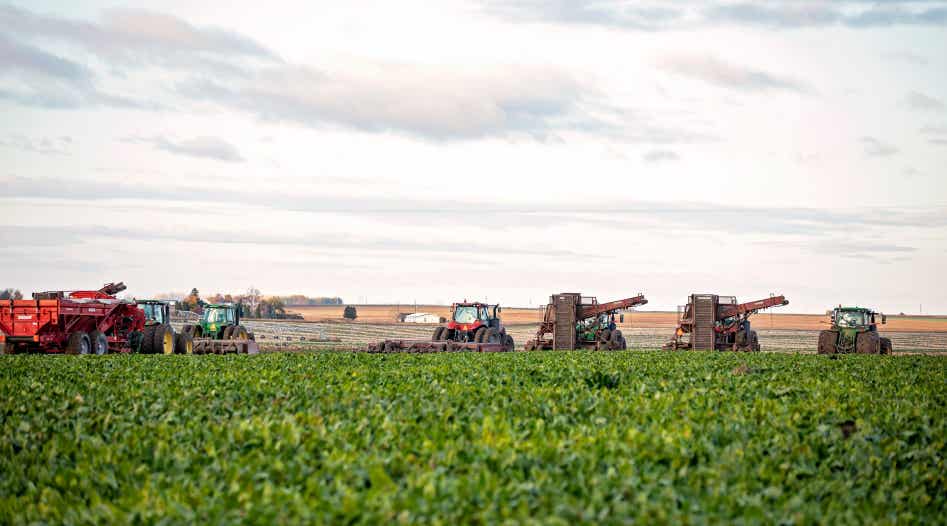
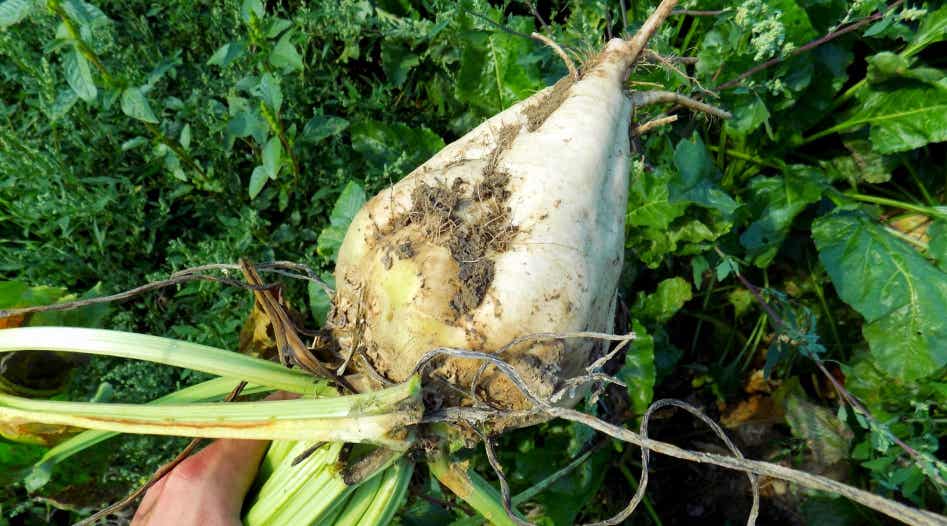
Sugar beets are cultivated varieties of the common beet (Beta vulgaris), specifically within the sugar beet (Altissima) group. They are a root crop, grown much like other row crops.
Sugar beets have a conical, white, fleshy root with a flat crown. The root of the beet contains about 75% water, 20% sugar, and 5% pulp.
They are planted in late March/early April and harvested in late September and October. Beet tops (leaves and petioles) can also be used as silage for livestock.
How Is Beet Pulp Made?
Sugar beets are harvested, washed, and sliced before sugar is extracted with hot water. What remains after extraction is the pulp, a fibrous material that is pressed, dried, and formed into shreds or pellets for use as feed.
Smart Beet, Standlee’s beet pulp pellets and shreds are sourced from Amalgamated Sugar Company in Idaho. Additionally, the shreds and pellets have concentrated separator by-product (CSB) included to help produce a consistent end product. CSB is a secondary molasses produced during the separation of sugars from normal sugar beet molasses. It contains most of the molasses components but is lower in sugar content than ordinary molasses. Sugar beet molasses undergoes a process in which approximately half of the sugar is removed, concentrating proteins and minerals to form CSB. Compared with cane molasses, CSB has more crude protein, ash, and moisture, but less sugar content.
Nutritional Profile of Beet Pulp
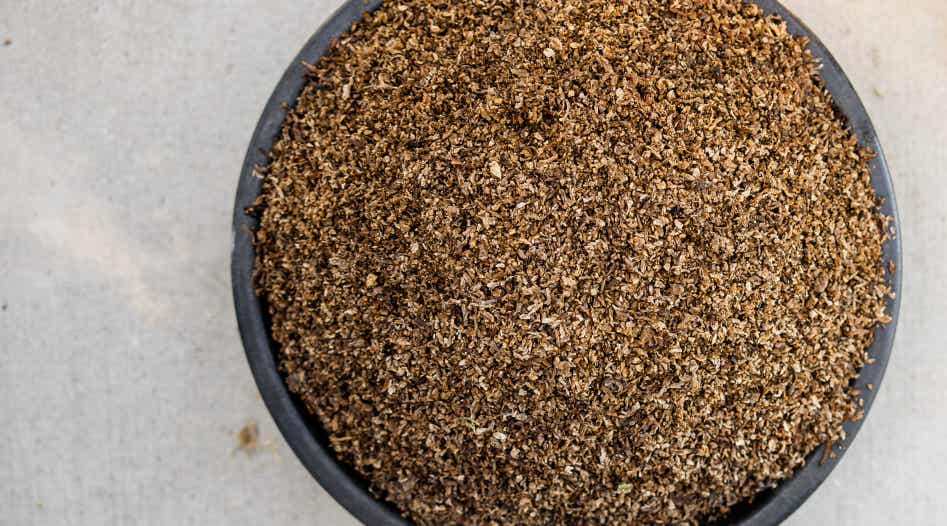
Beet pulp is a highly digestible, fermentable fiber source that provides a beneficial amount of energy without relying primarily on starch. Nutrient composition can vary based on processing.
- Crude fiber: highly digestible due to its soluble fiber content
- Digestible energy: Comparable to oats, and higher than alfalfa and other forages
- Starch: Naturally low in starch compared with cereal grains
- Crude protein: low relative to hay and legume forages
- Calcium: Relatively higher compared to phosphorus, with a calcium-to-phosphorus ratio that runs higher than most forages
The table below shows the guaranteed minimum amount of crude protein and fat, along with the maximum crude fiber and average digestible energy values for Standlee beet pulp products. Guaranteed analyses provide a helpful starting point for comparing products, but keep in mind, it does not capture the full nutritional profile.
Premium Western Beet Pulp
| Nutrient | Amount |
|---|---|
| Crude Protein | Min 7.5% |
| Crude Fat | Min 0.5% |
| Crude Fiber | Max 20% |
| Digestible Energy | Avg 1.09 Mcal/lb |
Beet Pulp Uses by Species
Because beet pulp is rich in highly fermentable fiber and provides digestible energy, it can be an ideal feed ingredient for a variety of livestock species. Its unique fiber profile allows it to contribute energy and fiber to feeding programs without relying primarily on starch-rich grain sources.
Horses
Beet pulp is widely used in horse diets to add calories and condition making it a practical way to increase calorie intake when focusing on building a strong Forage Foundation. It is also commonly fed to horses with poor dentition, since soaked beet pulp softens into an easy-to-chew mash.
Since beet pulp is relatively high in calcium compared with phosphorus, the overall diet should be balanced to maintain an appropriate 2:1 calcium-to-phosphorus ratio.
Cattle
Beet pulp is a long-established energy source in cattle diets, often replacing a portion of corn or other grain. Its fermentable fiber supports acetate production in the rumen, which can benefit milk fat in dairy cows, while in beef cattle, it offers an alternative energy source to grain through ruminal fermentation while helping maintain fiber in the ration.
Sheep and Goats
Beet pulp can help increase the energy density of sheep and goat diets while supplying highly fermentable fiber. It may be incorporated during periods of higher nutritional demand or used to replace a portion of grain when additional energy is needed without relying as heavily on starch. It can also supplement lower quality forage.
Benefits of Beet Pulp for Livestock
Beet pulp offers several nutritional and practical advantages that make it a versatile addition to a Forage Foundation feeding program.
- Digestible energy from fermentable fiber: Beet pulp provides energy primarily through highly fermentable fiber rather than the starch found in cereal grains. This makes it an option for increasing dietary energy while keeping starch intake lower.
- Supports weight gain and body condition: Its combination of digestible fiber and moderate energy density makes it ideal for underweight or hard-keeping animals.
- Hydration support: Soaked beet pulp adds water to the diet, which is beneficial for animals prone to dehydration or impaction colic for horses, especially during winter months.
- Metabolically friendly energy: Its low starch and sugar content, especially after soaking and draining, makes it a common choice for horses with insulin resistance or other metabolic concerns.
How Is Beet Pulp Fed?
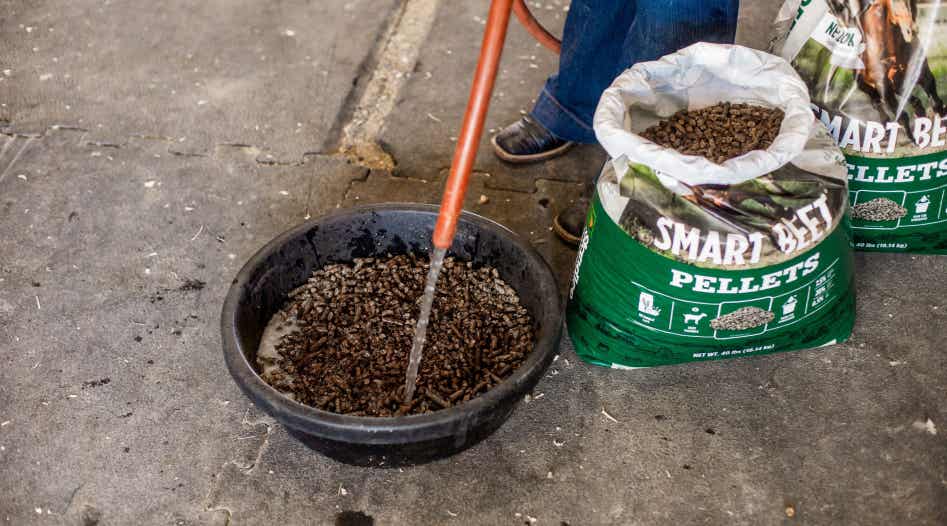
Standlee recommends soaking Smart Beet Pellets and Shreds in a 2-to-1 water-to-product ratio for at least 15 minutes, or until fully softened. Soaking helps improve hydration and palatability.
Soaking reduces sugar content further. In Standlee's own testing, soaking and rinsing beet pulp pellets and shreds in a 2-to-1 water-to-pulp ratio cut nonstructural carbohydrate content nearly in half, pellets dropped from 10.9% to 5.6%, and shreds dropped from 16.7% to 6.3%. See the full results in Standlee's soaking beet pulp research.
Soaked beet pulp should not sit out for long periods, particularly in warm weather, since it can ferment or spoil. For more details on safe feeding practices for horses, see Standlee's complete guide to feeding beet pulp.
How Much Beet Pulp Should You Feed?
Standlee recommends feeding Smart Beet Pellets or Shreds to mature horses at a rate of 0.05% to 0.2% of body weight per day, depending on activity level, and introducing them gradually over seven to ten days.
For a full breakdown across additional species, see Standlee's feeding chart. Use the Standlee Forage Finder to estimate a starting ration, and consult a veterinarian or animal nutritionist before making significant diet changes.
Beet Pulp vs. Other Forages
Beet pulp is different from traditional forages such as hay and pasture. Although it provides a significant amount of fermentable fiber, much of that fiber is more readily digested than the structural fiber found in long-stem fiber. As a result, beet pulp can contribute digestible energy to the diet, but it does not provide the same physical fiber or chewing time as long-stem forage.
Beet pulp is generally best incorporated alongside hay or pasture rather than used as a complete replacement for long-stem forage. Animals still require adequate effective fiber to support normal digestive function. Use the Standlee Forage Finder to help build a complete feeding program tailored to your animal's forage and fiber needs.
Beet Pulp Formats
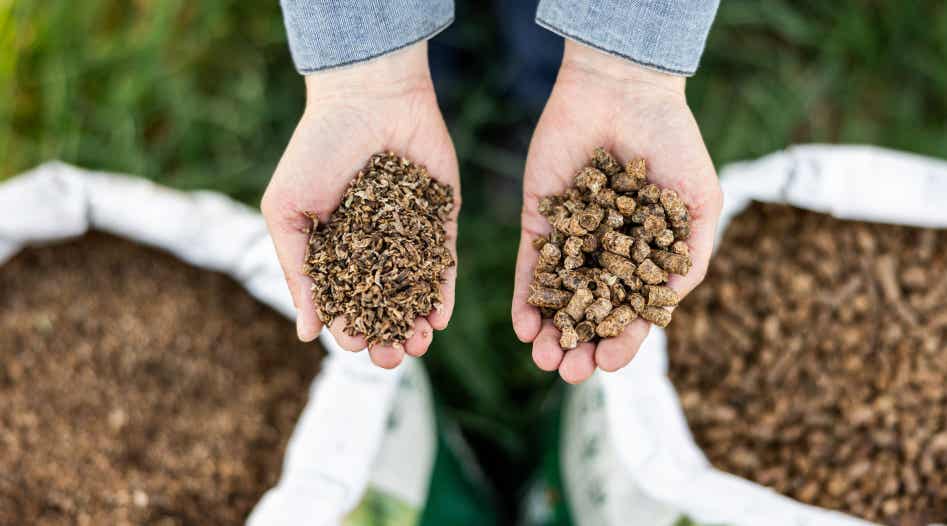
Beet pulp comes in two primary forms, both made by Standlee. Both formats should be soaked before feeding, and both provide comparable protein, fiber, and energy content.
- Pellets: Finely ground and pelleted into a dense uniform form. Pellets are compact, easy-to-measure, and convenient to store and handle.
- Shreds: This is beet pulp that retains its longer, looser shredded form. Shreds have a more fibrous texture and take less time to soak than pellets.
Frequently Asked Questions
Does beet pulp need to be soaked?
Standlee recommends soaking Smart Beet Pellets and Shreds before feeding. Soaking improves palatability, increases water intake, and further reduces sugar content when drained.
Is beet pulp safe for animals with metabolic concerns?
Generally, yes. Beet pulp's low starch content and low glycemic response make it a common choice for animals managing insulin resistance, Cushing's disease, or similar conditions. However, any new feed should be introduced gradually and discussed with a veterinarian for animals with a diagnosed condition.
Can other species besides horses eat beet pulp?
Yes. Beet pulp is fed to horses, cattle, sheep, and goats and other species. Learn more from our feeding instructions for beet pulp products.
Key Takeaways
- Beet pulp is a byproduct of sugar beet processing and is valued as a highly fermentable source of fiber.
- Its fiber offers a source of digestible energy without relying primarily on starch from cereal grains.
- Beet pulp can be incorporated into feeding programs for multiple livestock species when additional energy or fermentable fiber is needed.
- Soaking reduces sugar content further and supports hydration.
- It works best as a complement to hay or pasture, not a replacement for long-stem forage.
References
- Karlsson CP et al. Effect of molassed sugar beet pulp on nutrient utilisation and metabolic parameters during exercise. Equine Veterinary Journal. 2002.
- Evans E & Messerschmidt U. Review: Sugar beets as a substitute for grain for lactating dairy cattle. Journal of Animal Science and Biotechnology. 2017.
- Jeong I et al. Partial Substitution of Corn Grain in the Diet with Beet Pulp Reveals Increased Ruminal Acetate Proportion and Circulating Insulin Levels in Korean Cattle Steers. Animals. 2022.