Table of Contents
Table of Contents
Grass Forage
All Available Resources On This Topic
Standlee has created and actively maintains a wealth of resources about grass forage. Be sure to find all these resources on this page or simply click the button below to see them.
VIEW ALL RESOURCESGrass forages form the foundation of many horse and livestock feeding programs, supplying the fiber needed to support digestive health while providing moderate levels of protein, digestible energy, and other essential nutrients. Because nutrient content varies among grass species, selecting the right forage type depends on the animal’s species, life stage, body condition, and nutrient requirements.
Learn what grass forages are, the characteristics of common grass forages, how they compare nutritionally, and how to choose the best option for your animal’s feed program. In this resource, we’ll cover timothy, orchard, and teff grasses.
Grass Forage at a Glance
- Timothy is a cool-season perennial, low to moderate in calories, higher in structural fiber
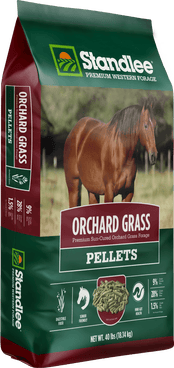
- Orchardgrass is a cool-season perennial, that is slightly higher in protein and calories than timothy grass
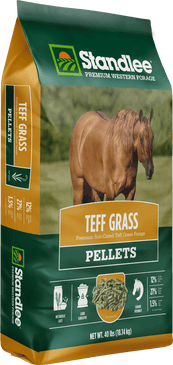
- Teff is a warm-season annual, with the lowest sugar and starch content of the three
- Best suited for providing the primary forage foundation for most animals
- Available hay formats include compressed bales, chopped, cubes, and pellets
What Is Grass Forage?
Grass forages are derived from true grasses rather than legumes, resulting in a nutritional profile that is generally lower in protein and digestible energy than alfalfa while providing the fiber needed to support normal digestive function. Although they share many nutritional characteristics, each grass species differs in maturity, digestibility, and nutrient composition, particularly between cool-season and warm season grasses.
Timothy grass (Phleum pratense) and orchardgrass (Dactylis glomerata) are cool-season perennial grasses that thrive in moderate climates and are widely grown for hay production.
Teff grass (Eragrostis tef) is a warm-season annual grass native to Ethiopia that has only become a mainstream hay crop in the United States over the past two decades.
Cool Season Grasses Versus Warm Season Grasses
Cool-season and warm season grasses differ primarily in how they grow and respond to environmental temperature. Cool-season grasses, such as timothy, orchardgrass, and fescue, grow best during cooler periods of the year and are commonly used for horse and livestock pastures and hay.
Warm-season grasses, such as teff grass, bermudagrass, and sorghum-sudangrass, grow most actively during the warmer summer months and can provide valuable forage when cool-season grass growth slows in the summer.
From a nutritional standpoint, warm-season grasses generally have lower non-structural carbohydrate (NSC) concentrations than many cool-season grasses.
How Is Grass Forage Grown?
Timothy, orchard, and teff differ enough in growing requirements and seasons to affect availability, cost, and how each fit into a feeding program.
Timothy Grass
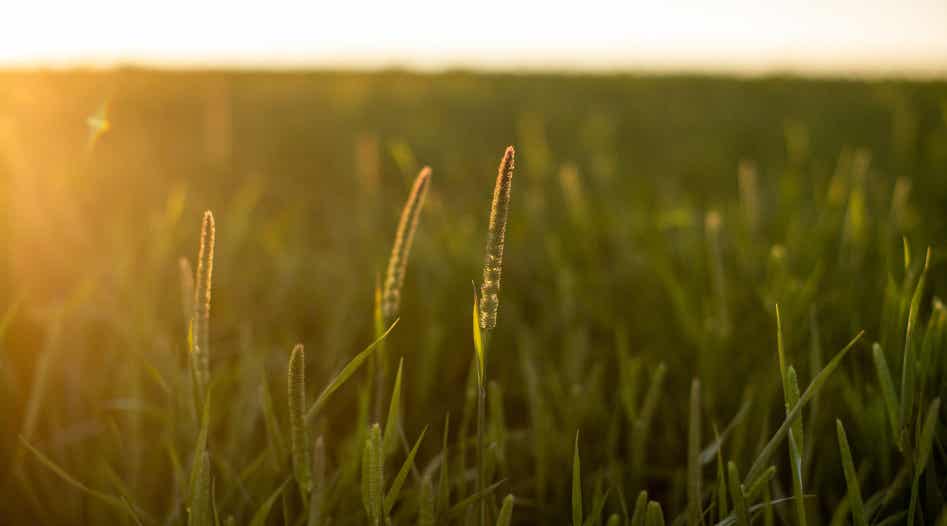
Timothy grass is a shallow-rooted, cool-season bunchgrass that prefers cool, moist conditions and tolerates winter well. It typically yields two cuttings per year, which limits supply compared with grasses that produce more cuttings.
Orchardgrass
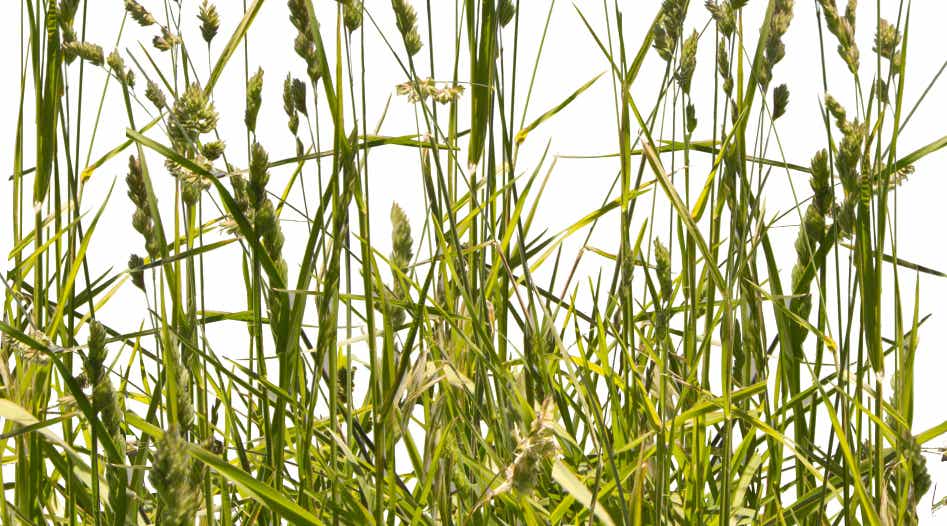
Orchardgrass tolerates moderate drought better than timothy and regrows from tillers at the base of the plant. This allows for three cuttings in a typical season, supporting more consistent availability. For a deeper comparison of orchard and timothy grasses, see this comparison guide.
Teff Grass
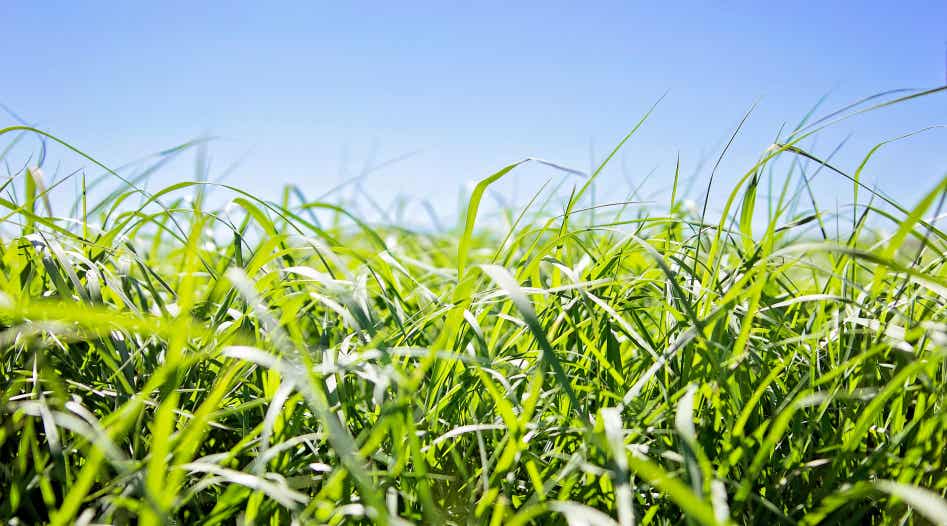
Teff grass is the most distinctive of the three. It is a fast-growing, warm-season annual that must be reseeded each year, thrives in heat, and can yield multiple cuttings within a single growing season under the right conditions.
Standlee grows all three in southern Idaho's high desert, where controlled irrigation and a dry climate support consistent quality across cuttings.
Nutritional Profile of Grass Forages
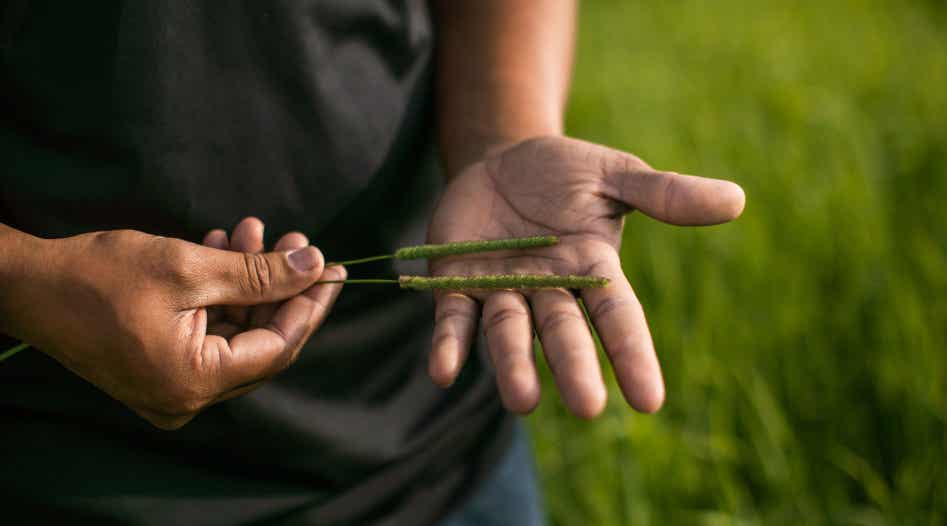
Here is how Standlee's products compare on a guaranteed analysis basis.
In typical lab testing, orchardgrass often has higher protein and calorie content than timothy, due to slightly better fiber digestibility, even though both share a similarly balanced calcium-to-phosphorus ratio.
Nutrient values also shift with maturity at the time of cutting. Earlier-cut hay tends to be leafier and higher in protein, while later cuttings carry more stem and fiber.
The tables below show the guaranteed minimum amounts of crude protein and fat, along with the maximum crude fiber values for Standlee grass forage products. While guaranteed analysis provides a useful way to compare products, these values represent only a portion of the overall profile of different grass forages.
Premium Western Timothy and Orchard Grass
Timothy Grass
- Generally low to moderate in calories, highly palatable, and moderate in sugar
Orchardgrass
- Generally slightly higher in calories than timothy, with moderate to high sugar content
| Nutrient | Amount |
|---|---|
| Crude Protein | Min 8% |
| Crude Fat | Min 1.5% |
| Crude Fiber | Max 35% |
Premium Western Teff Grass
Teff Grass
- Generally lower sugar and starch content of the three
| Nutrient | Amount |
|---|---|
| Crude Protein | Min 12% |
| Crude Fat | Min 1.5% |
| Crude Fiber | Max 27% |
Grass Uses by Species
Grass forage provides an important source of fiber for a wide range of animals. While nutrient requirements can vary by species, age, activity level, and life stage, grass forages can serve as a component of animal diets and, in some cases, meet much or all of an animal’s forage and energy needs.
Horses
Grass forage is a great option for many horses, as its fiber supports normal hindgut function and provides a moderate source of energy while encouraging the natural, frequent chewing and feeding behavior for horses. Many adult horses, especially maintenance horses, can meet much or all of their nutritional needs with good quality grass forage while different grass species allow forage selection to be tailored to horses with varying calorie and nutrient requirements.
Cattle, Sheep, and Goats
Grass forage is a valuable component of ruminant diets because the fiber in forage supports normal rumen function. Rumen microorganisms ferment plant fiber and produce volatile fatty acids, which provide an important source of energy for the animal. For goat-specific feeding considerations, see Standlee's complete goat nutrition and feeding guide.
Rabbits and Small Animals
Grass hays are also an ideal forage for small animals, particularly adult rabbits, as it provides the long-stem fiber needed to support normal digestive function and help maintain dental health through natural chewing. Grass forages, such as timothy and orchardgrass, are the ideal primary forage sources for adult rabbits. Compared with alfalfa, grass forages are generally lower in calcium and protein, making them well suited to the nutritional needs of many healthy adult small animals.
Grass Forage Benefits for Livestock
Digestible fiber is the primary strength of grass forage, which offers several practical advantages depending on the animal and the grass type.
- Digestive support: High fiber content of grass forage supports steady digestive function and encourages chewing and saliva production, which help buffer the gut.
- Calorie control: Grass hay is generally the safer default for animals prone to weight gain, since it delivers fewer calories than legume forage.
- Rumen health: Cool-season grasses like orchardgrass support healthy rumen fermentation in ruminants when paired appropriately with other forages in a ration.
- Metabolic management: The low nonstructural carbohydrate content of teff grass has been linked to a lower glucose and insulin response in horses compared with cool-season grasses. See Standlee's teff grass rescue forage guide for more on specific conditions where teff fits well.
How Is Grass Forage Fed?
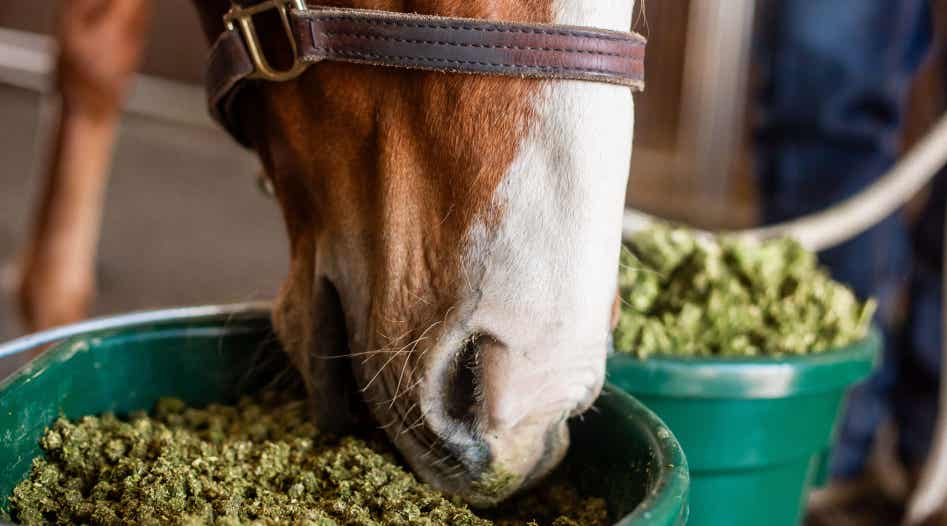
Grass forage is fed as long-stem hay or processed into chopped, cubed, or pelleted forms, depending on the animal’s needs and the forage type. It can be fed as the primary forage source if combined with other forages such as alfalfa, to create a diet with a broader range of nutrients. For a more comprehensive look at building a feeding program around forage for horses, see Standlee’s complete guide to feeding horses forage.
Alternative grass forage formats, including cubes and pellets, can be soaked to soften the forage and increase water intake. This can be especially helpful for animals with poor dentition, senior horses, and those that tend to consume feed quickly. Any new forage should be introduced gradually over one to two weeks rather than swapped in all at once, since abrupt diet changes are a well-established trigger for digestive upset.
Regardless of format, any new forage should be introduced gradually over 10-14 days as to not cause digestive upset across species.
How Much Grass Forage Should You Feed?
The appropriate amount of grass forage depends on the animal’s species, body weight, life stage, activity or production level and the nutritional content of the forage and rest of the diet.
As a general starting point, many horses do well with a total forage intake of roughly 1.5-2.5% of body weight per day on a dry-matter basis, although individual needs can vary. For other species forage feeding recommendations, see Feeding Instructions for Forage Products.
Use the Standlee Forage Finder to estimate a starting ration for horses and consult a veterinarian or livestock nutritionist when developing or making significant diet changes to a feeding program.
Grass Forage vs. Other Forages
Grass forage and other forage types, including alfalfa, can each provide valuable nutrients and fiber as part of a balanced feeding program. The nutritional profile of grass forage varies by species, maturity at harvest, growing conditions, and management, but grass forages are generally a good source of fiber and provide an appropriate nutrient profile for many maintenance horses and other livestock with lower calorie needs.
For a more detailed comparison across forage types for horses, see What Type of Hay Should You Feed Your Horse. Many feeding programs also use a mixed forage blend of alfalfa and grass to balance the nutritional profiles of both forage types.
Grass Forage Formats
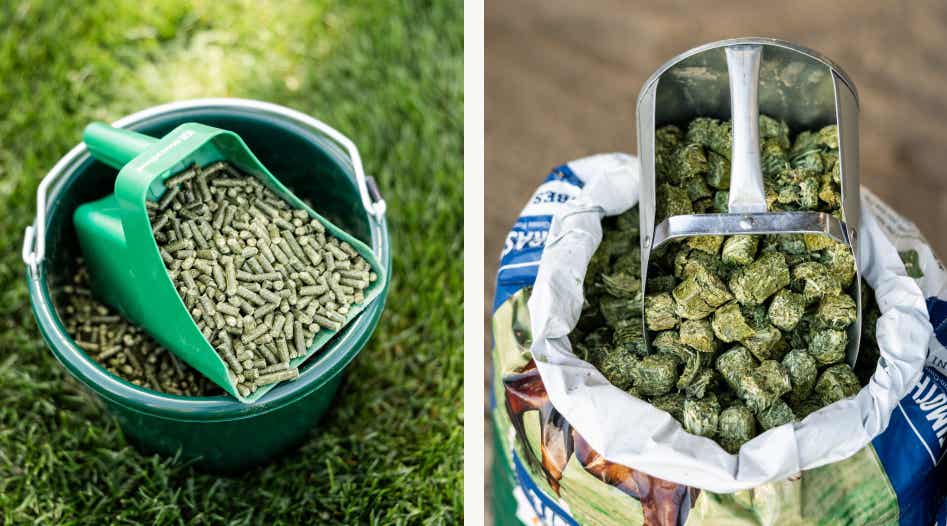
Format availability varies by grass type for different preferences, feeding goals, and storage capabilities. For a complete guide to forage formats, read the Forage Forms Guide.
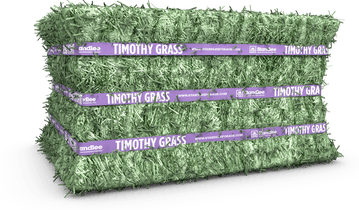
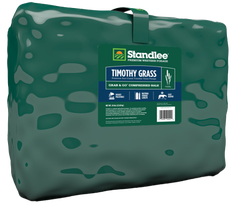
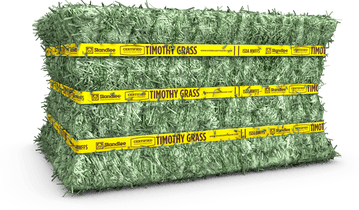
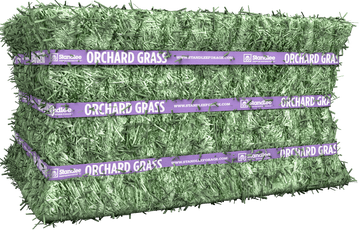
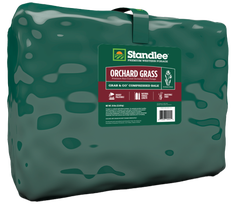
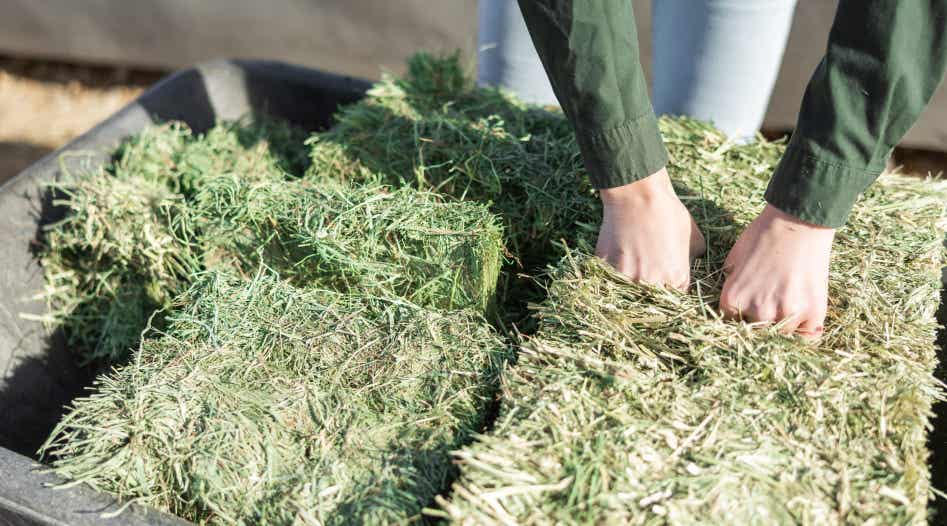
- Compressed bales: These are full-size, long-stem compressed hay for easier handling and storage. Available for Timothy and Orchard Grass. See tips for feeding compressed bales.
- Hand-selected hay: Loose, long-stem hay hand-selected for quality, suited to feeding small pets. Available for Timothy and Orchard Grass.
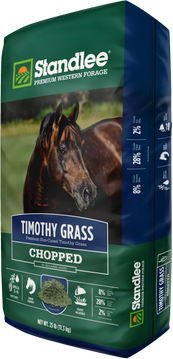
- Chopped forage: Hay cut into shorter lengths for animals with dental limitations or easier mixing into rations. Available for Timothy Grass. See our chopped forage guide.
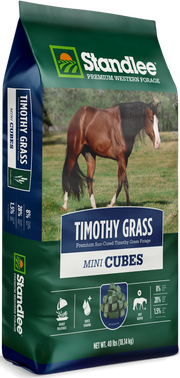
- Cubes: Coarsely ground and compressed into a denser, more measurable form. Mini Cubes are available for Timothy Grass. Compare formats in forage cubes and pellets vs. dehydrated hay.
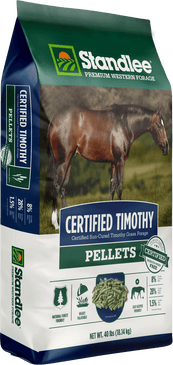
- Pellets: Finely ground and pelleted for consistent, easy-to-portion feeding. Available for Timothy, Orchard, and Teff Grass. Learn more in the scoop on forage pellets and why feed forage pellets or cubes.
Frequently Asked Questions
What is the difference between timothy and orchardgrass?
When cut at a similar stage of maturity, the two are nutritionally similar. Orchardgrass tends to have higher protein and calorie content, tolerates moderate drought better, and yields more cuttings per season.
Is teff a good option for horses with metabolic conditions?
Often, yes. The low sugar and starch content in Standlee Teff Grass makes it a common choice for horses with insulin resistance, Cushing's disease, or similar conditions. If providing hay without a guaranteed analysis, hay should still be tested, since nutrient content can vary with growing conditions and harvest timing.
Can grass forage be fed as the sole forage in a diet?
For many mature, moderately active animals, yes. Animals with higher nutrient demands, such as growing, lactating, or heavily working animals, often need grass forage supplemented with alfalfa, a concentrate, or both to meet requirements.
Key Takeaways
- Timothy and orchardgrass are cool-season perennial grasses; teff is a warm-season annual.
- All three are lower in protein and calcium than alfalfa, but higher in fiber.
- Orchardgrass is typically slightly higher in protein and energy than timothy grass.
- Teff grass generally has the lowest sugar and starch content of the three, making it beneficial for metabolically sensitive animals.
- Grass forage works well as a primary forage for mature, less active animals, and as a complement to alfalfa for animals with higher nutrient needs.
References
- Yu P et al. Effect of variety and maturity stage on chemical composition, carbohydrate and protein subfractions, in vitro rumen degradability and energy values of timothy and alfalfa. Canadian Journal of Animal Science. 2003.
- DeBoer ML et al. Glucose and Insulin Response of Horses Grazing Alfalfa, Perennial Cool-Season Grass, and Teff Across Seasons. Journal of Equine Veterinary Science. 2018.
- Xue Z et al. Combining Orchardgrass and Alfalfa: Effects of Forage Ratios on In Vitro Rumen Degradation and Fermentation Characteristics of Silage Compared with Hay. Animals. 2020.