Chopped Forage for Horses: Benefits, Uses, and How to Feed
Chopped forage is dried forage cut into shorter pieces than traditional long-stem hay. Most chopped hay products are bagged for convenient storage and transport.
This forage format can make it easier for owners to feed a forage-based diet when storage space is limited, hay quality is inconsistent, travel is frequent, or a horse needs a forage option that is easier to chew.
The best chopped forage for your horse depends on their age, chewing ability, workload, body condition, and the product's nutrient profile. As with any forage product, chopped hay works best when fed as part of a balanced diet.
Keep reading to learn what chopped forage is, why horse owners feed it, which horses it may benefit most, how it compares to hay bales, cubes, and pellets, and how to use it effectively as part of your horse's Forage Foundation.
Key Takeaways
- Chopped forage is forage that has been cut into shorter lengths for easier handling, storage, and feeding.
- It can be a useful option for horses that need a more manageable forage format, including some senior horses and horses with inconsistent access to quality hay.
- Chopped forage products vary in forage type and nutritional content.
- Forage form affects the time spent eating and chewing, which impacts digestive health.
- Chopped forage can be fed as a valuable part of a forage-based ration if it matches the horse's needs and feeding routine.
What Is Chopped Forage?
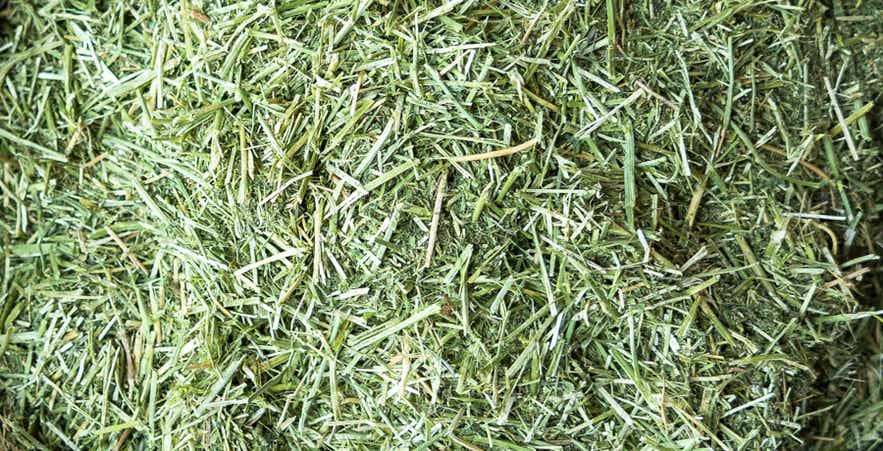
Chopped forage is dried forage that has been mechanically cut into shorter pieces and packaged for convenient feeding. Depending on the product, it may be made from alfalfa, timothy, orchard grass, or a blend of forage sources.
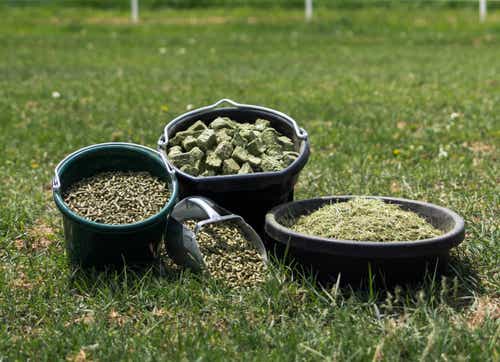
This forage format sits between traditional hay bales and more processed products like cubes and pellets. It looks similar to long-stem hay. But because it is chopped into shorter lengths, it is often easier to portion, transport, and feed in a controlled way.

Join Our Email List Today!
Be the first to get the latest news, promotions, updates and more from Standlee when you join our email list!
By signing up for email, you are agreeing to receive news, offers, and information from Standlee Premium Products, LLC®. You can also visit our Privacy Policy. Easy unsubscribe links are provided in every email.
Why Horse Owners Feed Chopped Forage
Horse owners usually turn to chopped forage for convenience, horse-specific needs, and ration flexibility.
Bagged chopped forage is easier to carry, stack, store, and portion than traditional hay bales. That convenience matters for owners with limited storage, boarding situations with strict feed-room organization, or horses that travel to shows, lessons, or trail rides.
Some horses do not thrive on long-stem hay alone. They may waste it, sort through it, or struggle to chew it efficiently. Chopped forage can offer a more manageable texture while still helping owners keep forage at the center of the diet. [1]
Owners can use chopped forage in several ways. It may serve as a partial hay replacement, a convenient forage format for travel, or a practical way to add more fiber to the ration.
Nutritional Benefits of Chopped Forage
Like other forage formats, chopped forage makes it easier for owners to provide adequate volumes of high-quality forage.
Horses are adapted to fiber-rich diets, and research shows inadequate fiber intake can affect digestive function, behavior, and feeding management. [2]
Chopped hay is easier to weigh accurately than feeding by flakes. That improved consistency can be valuable for owners who want tighter control over calorie intake, body condition, or daily feeding routines.
Feeding chopped forages also makes it easier for owners to customize their horse's ration to fit their unique needs. Different types of forage have different nutritional values.
Recent research reinforces the importance of forage source and forage quality. In a 2024 study evaluating common horse forages, alfalfa showed higher digestion values than other lower-quality forages. [4]
Most chopped forages have a guaranteed analysis that owners can use to assess their nutrient content. Review the guaranteed analysis before feeding any forage product to ensure it's appropriate for your horse.
Which Horses Benefit Most from Chopped Forage?
Chopped forage is commonly fed to senior horses, hard keepers, performance horses, horses with limited access to quality hay, and horses on precise diets.
Senior Horses
Some older horses have trouble with coarse or stemmy hay because of dental wear, missing teeth, or reduced chewing efficiency. These issues impair the physical breakdown of long-stem hay in senior horses, leading to reduced nutrient absorption.
Chopped forage is typically softer and easier for seniors and horses with dental problems to chew, allowing these horses to stay on a forage-based diet in their golden years.
Some horses with more advanced dental challenges may do better on soaked cubes, soaked pellets, or other softened forage options. Consult your veterinarian if your horse is quidding, dropping feed, losing weight, or showing signs of discomfort while eating.
Hard Keepers
Chopped forage can be a useful way to support body condition while maintaining a ration built on a forage foundation.
Instead of adding high-starch concentrates that can increase the risk of digestive upset, consider using additional forage sources to increase dietary energy and protein.
Because alfalfa generally provides more protein than many grass hays, chopped alfalfa may work well as a supplemental forage for hard keepers, growing horses, broodmares, or horses in work. [5]
Performance Horses
Performance horses often benefit from consistent diets, especially when their schedules and environments change frequently.
Chopped forage offers a practical way to bring quality forage along to shows and events, and it can help maintain a more consistent ration when travel disrupts the normal feeding routine.
If your performance horse's diet includes concentrates, mixing feed with chopped forage can help slow consumption and support digestive health. [3]
Horses With Limited Access to Quality Hay
When hay is hard to source or inconsistent in quality, chopped forage can help fill the gap.
While it is not a direct substitute for long-stem hay in every ration, it can be a very practical option when owners need dependable forage in a more convenient format.
Look for a supplier that uses premium-quality forages in their chopped hay products for optimal nutritional value.
Horses on Precise Diets
Some owners want to know precisely how much forage their horses eat each day. That is especially important in carefully managed rations and weight-control programs.
Chopped forage is easier to weigh and portion than estimating flakes of hay by sight, which can improve both precision and consistency.
Chopped Forage vs. Bales, Cubes & Pellets
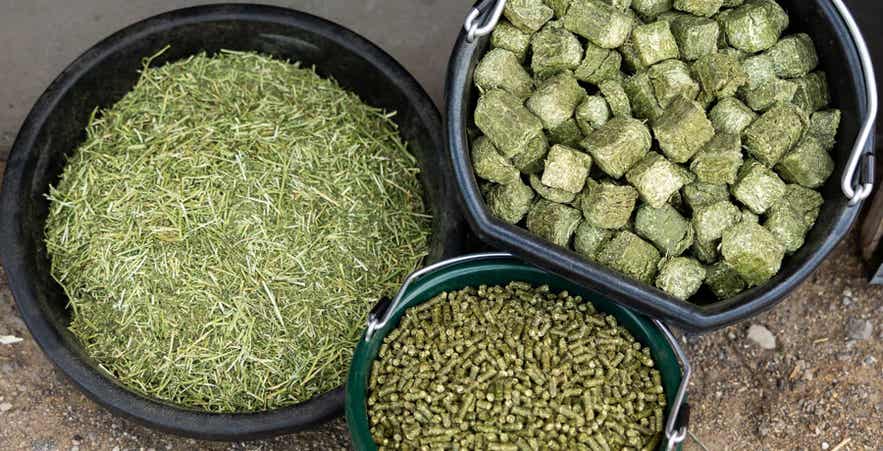
Chopped forage, bales, cubes, and pellets are different forms of forage commonly fed to horses. Every physical format of forage has unique advantages and disadvantages.
Chopped Forage vs. Long-Stem Hay
Long-stem hay in traditional bales is the most popular forage form for horses. This format supports longer eating times and more extensive chewing than more processed forages.
Chopped forage often appeals to owners who want something more manageable than loose hay while still offering some of the digestive benefits of a larger particle size.
Chopped Forage vs. Hay Cubes
Hay cubes are compact, easy to transport, and useful in measured feeding programs. They are also especially valuable when soaked for horses that need a softer texture.
Chopped forage differs from cubes because it is loose and has more visible fiber. Some owners prefer chopped forage if they can't consistently soak feed, as chopped hay is easier to chew than dry cubes.
Chopped Forage vs. Hay Pellets
Pellets are one of the simplest forage products to weigh, store, and feed. They are compact, consistent, and useful when owners need uniformity. Owners often feed soaked pellets to senior horses and those with choke concerns.
However, pellets have a small particle size that doesn't provide the same digestive benefits as long-stem hay. Chopped forage may be preferable when an owner wants a convenient product that still slows down consumption and promotes chewing.
Chopped Forage vs. Compressed Bales
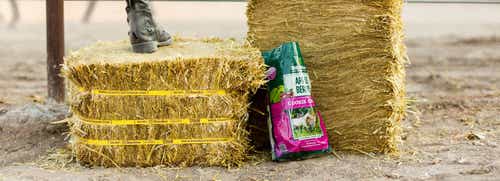
Compressed bales can be a strong choice for owners who still want hay in a bale form but need something easier to store or transport than conventional baled hay.
Compared with chopped forage, compressed bales preserve more long-stem hay. However, chopped forage is easier to accurately portion and feed when precision matters.
Which Format Is Best?
No single forage format is best for every horse. The best choice is the one that supports the horse's individual needs while prioritizing the foundation of forage in the overall ration.
Long-stem forage is typically the best foundation when high-quality hay is available, and the horse can efficiently chew and digest it. Chopped forage can be a smart fit when owners want a more manageable forage product with visible fiber structure that is easy to feed.
Cubes and pellets are strong options when portability, storage, and precise feeding matter most. Compressed bales help bridge the gap for owners who want long-stem hay in a more convenient form.
How to Feed Chopped Forage
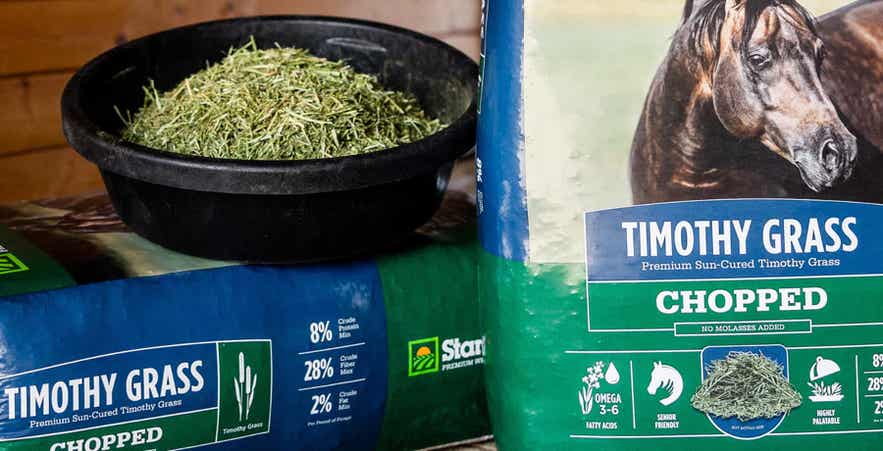
Before feeding chopped forage, start with the label. Check the forage source, guaranteed analysis, and feeding directions. Two chopped forage products may look similar but still differ meaningfully in nutrition.
Some chopped forage products are a blend of multiple forage types. Many include additional ingredients, such as oil, to improve palatability and control forage fines.
Feed by weight, not by volume. Chopped forage is easy to measure, but feeding by volume makes it harder to know what the horse is actually getting. Weighing the ration improves accuracy and makes adjustments easier.
Introduce chopped forage gradually. Significant forage changes are best made over several days and often over one to two weeks, especially when the horse is changing forage types as well as forage formats.
A slower transition gives owners time to monitor appetite, manure quality, body condition, and eating behavior.
Remember to keep the full diet in view. Chopped forage works best when it supports a larger forage-based nutrition plan.
How Much Chopped Forage to Feed
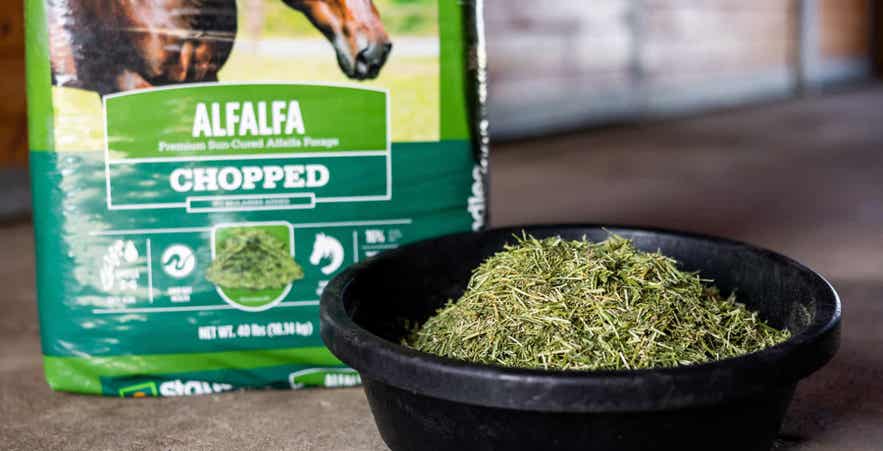
The right amount of chopped forage to feed horses depends on age, workload, body condition, and the rest of the ration. It also depends on the product itself.
As a general principle, horses need a ration built around adequate daily forage and fiber intake. Most horses need to consume around 1.5% to 2% of their body weight per day in total forage on a dry matter basis to support optimal digestive function. [2]
Owners may feed chopped forage:
- as a partial hay replacement when quality hay is unavailable
- as a nutrient-dense supplemental forage
- as a practical alternative forage source during travel
- or as a full hay replacement for horses that can't eat long-stem hay
The best approach is to start with the feeding directions, weigh the product carefully, and adjust the amount based on the rest of the ration.
How to Select the Best Chopped Forage
When selecting the best chopped forage for your horse, start with forage type. Alfalfa, timothy, orchard grass, and blended products have unique nutritional profiles and benefits.
Then look at forage quality. Harvest maturity, cleanliness, color, leaf retention, and storage conditions all affect the final product. Choose a trusted supplier that uses premium-quality forages for their products.
Research on forage maturity and fiber composition shows that these factors can influence water-holding capacity, microbial activity, and other outcomes relevant to digestion in horses consuming forage-based diets. [6]
Next, look for a guaranteed analysis and directions. Transparent labels make it easier to decide whether a product fits your horse and feeding routine.
Summary
Chopped forage for horses is a practical forage format that can make feeding a forage-based diet more flexible, more consistent, and easier to manage.
This forage format preserves more visible fiber length than pellets and cubes while offering a convenient alternative to traditional long-stem hay bales.
Feeding chopped hay can be especially useful for some senior horses, hard keepers, performance horses, and horses who need more high-quality forage in their diet.
Frequently Asked Questions
What is chopped forage for horses?
Chopped forage is dried forage that has been cut into shorter pieces than traditional long-stem hay. It is usually made from alfalfa, grass hay, or forage blends and packaged for easier handling, storage, and feeding.
Is chopped forage good for horses?
Chopped forage can be a useful forage option for horses that benefit from a more manageable feed form. However, every forage product still needs to match the horse's nutrient needs, chewing ability, and total ration.
Can chopped forage replace hay?
Chopped hay can replace part of the daily forage ration, and if needed for health reasons, all long-stem hay. But it should be used intentionally as part of a balanced diet for best results.
Is chopped forage better than pellets or cubes?
Not inherently. Chopped forage, pellets, cubes, and long-stem hay each solve different feeding problems. The best format depends on chewing ability, convenience, storage, and health needs.
Is chopped forage good for senior horses?
Chopped forage can help some senior horses, especially those that cannot chew long-stem hay efficiently. But some senior horses may need even softer or soaked forage options.
How much chopped forage should I feed my horse?
That depends on body weight, workload, body condition, hay access, and the product's nutrient profile. Use the product directions, feed by weight, and ensure the total diet meets daily forage requirements.
Is chopped alfalfa good for horses with ulcers?
The high calcium content of alfalfa may help support gastric health in horses. However, ulcer risk is associated with multiple nutritional and management factors.
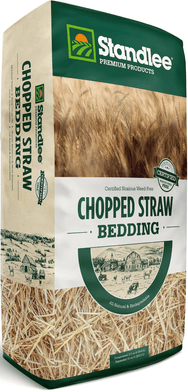
What is the difference between chopped forage and chopped straw?
Chopped forage is intended for horses to eat. Straw is much less digestible and is primarily used for bedding.
References
- Petz V, et al. Changes in eating time, chewing activity and dust concentration in horses fed either alfalfa cubes or long-stem hay. Vet Med Sci. 2023.
- Ermers C, et al. The fibre requirements of horses and the consequences and causes of failure to meet them. Animals. 2023.
- Julliand S, et al. Effect of diet composition on glandular gastric disease in horses. Vet Intern Med. 2023.
- Kara K, Altınsoy A. Comparison of forages' digestion levels for different in vitro digestion techniques in horses. Vet Med Sci. 2024.
- Köninger M, et al. Nutrient composition and feed hygiene of alfalfa haylage, comparison of feed intake and selected metabolic parameters in horses fed alfalfa haylage, alfalfa hay or meadow hay. Animals. 2024.
- Muhonen S, Julliand V. Fibre composition and maturity of forage-based diets affects the fluid balance, faecal water-holding capacity and microbial ecosystem in French trotters. Animals. 2023.
Additional Learning Resources
From the Standlee Barn Bulletin Blog
- Get the Scoop on Forage Pellets for Horses
- Hay Cubes for Horses: Benefits, Nutrition, and Feeding Tips
- The Ultimate Guide to Feeding Forage Pellets to Horses
- How to Soak Hay Cubes and Pellets for Horses
- How to Extend Your Horse’s Hay Supply When Hay or Pasture Is Limited
- Selecting the Proper Forage for Your Horse
- Guide to Standlee Grab & Go and Compressed Bales for Horses
- What Makes High-Quality Forage? A Hay Buyer’s Guide
From the Standlee Beyond the Barn Podcast
- Ep. 082: Understanding How Horses Eat and Its Impact on Dental Health with Dr. Stephanie Bonin
- Ep. 016: Am I Feeding My Horse the Wrong Type of Hay?
- Ep. 017: How Can Nutrition Management Minimize the Risk of Gastric Ulcers?
- BONUS: Supplement with Standlee – Adding High Quality Hay to Your Horse’s Diet
- Ep. 029: How to Feed a Senior Horse and When They Need to Be Fed Differently
From the Standlee Nutritional Papers
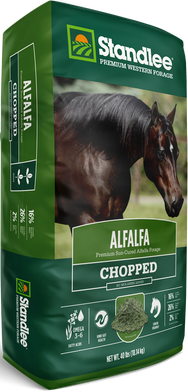
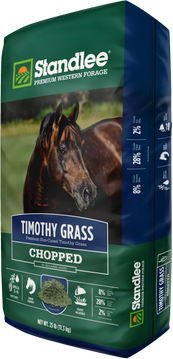
Products featured in this post
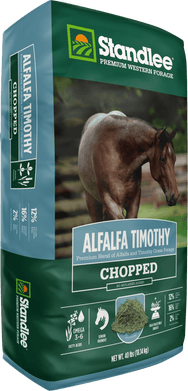
Enjoying the Standlee blog?
Subscribe to Standlee emails and get our newest content (and coupons, offers, and other great stuff) sent to your inbox!
Subscribe Now