Feeding Senior Horses: Complete Guide to Senior Horse Nutrition
Age isn't the only factor to consider when feeding senior horses. Older horses have unique nutritional challenges that require careful management to keep them healthy and happy in their golden years.
Like all horses, seniors do best on a forage-based diet that provides adequate protein, vitamins, minerals, and other essential nutrients. But the best forage type and form for your horse can change significantly as they age.
Keep reading to learn how to feed a senior horse, choose the right forage, and determine when your horse needs tailored nutritional support for age-related health conditions.

Join Our Email List Today!
Be the first to get the latest news, promotions, updates and more from Standlee when you join our email list!
By signing up for email, you are agreeing to receive news, offers, and information from Standlee Premium Products, LLC®. You can also visit our Privacy Policy. Easy unsubscribe links are provided in every email.
Key Takeaways
- Senior horse nutrition should start with forage first, then be adjusted for body condition, dentition, and age-related health conditions.
- Dental wear and dental disease are major reasons senior horses struggle to maintain weight and absorb nutrients from their feed.
- Feeding the right type, form, and quality of forage is vital when formulating a forage-based diet for senior horses.
- Soaked hay cubes, hay pellets, chopped forage, and beet pulp can help older horses with reduced chewing ability continue to consume enough fiber.
Senior Horse Nutritional Needs
A horse is typically considered a senior around 15 to 20 years of age. However, chronological age isn't the only indicator of health in aging horses. Some horses remain youthful well into their twenties, while others show signs of aging earlier. [1]
The aging process involves physiological changes that influence how horses utilize nutrition, maintain body condition, and respond to disease.
While senior horses do not have specific nutrient requirements, they are subject to unique nutritional challenges that influence the effectiveness of their feeding program. [2]
Signs your senior horse may need dietary changes include:
- Unexplained weight loss
- Loss of muscle mass
- Quidding or difficulty chewing hay
- Decline in energy or appetite
- Dull hair coat
- Chronic loose manure
Remember to work with your nutritionist and veterinarian when making changes to your senior horse's diet, as these signs can also indicate an underlying health condition.
Age-Related Nutritional Challenges
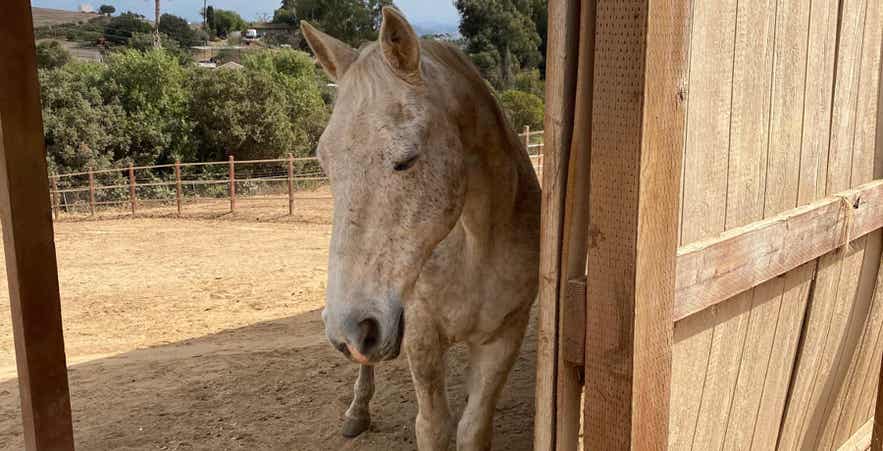
Age-related health conditions and nutritional challenges need tailored feeding management in senior horses. Common health challenges with nutrition implications for older horses include dental issues, metabolic disorders, and weight loss.
Dental Issues
Poor dentition is one of the most common reasons older horses need a different diet. Dental wear, missing teeth, periodontal disease, and other age-related dental problems are common in older horses. [5]
Age-related dental pathology can reduce oral comfort and chewing efficiency. As chewing becomes less effective, seniors may struggle to break down certain feeds and long-stem hay into particles small enough for efficient digestion.
Owners may notice aging horses losing interest in hay or losing weight despite being offered plenty of forage. Quidding and dropping feed are common signs of poor dentition and dental disease in senior horses.
Although some early research reported decreases in nutrient absorption in senior horses, more recent studies show there is no difference in energy, protein, or fiber digestibility between healthy older horses and younger horses. [7]
Differences in nutrient utilization and digestive function in seniors are most likely related to the impaired physical breakdown of feed particles associated with dentition issues.
Metabolic and Endocrine Disorders
Metabolic and endocrine disorders are among the most common age-related health conditions affecting senior horses.
Pituitary Pars Intermedia Dysfunction (PPID), also known as Cushing's disease, is a chronic neurodegenerative endocrine disorder typically found in horses and ponies over the age of 15. [3]
Symptoms of PPID include a long, curly hair coat, muscle wasting, recurrent infections, lethargy, excessive drinking and urination, and laminitis. Some horses with PPID also have insulin dysregulation.
Equine metabolic syndrome (EMS) is a health condition characterized by insulin dysregulation that can also increase the risk of endocrinopathic laminitis in older horses. Signs of EMS include generalized obesity, a cresty neck, abnormal regional fat deposits, difficulty losing weight, and a history of laminitis. [4]
Seniors with metabolic and endocrine health concerns need diets low in sugar and starch to control insulin levels and minimize laminitis risk.
Weight Loss and Muscle Wasting
Older horses may lose muscle mass more easily, especially when they are struggling with chronic diseases and dental disorders that impair nutrient digestion.
A horse can appear round through the belly while still losing topline and muscle. This appearance, also called a hay belly, can indicate poor digestion or protein deficiency. Senior horses with PPID may also have a rounded abdomen due to weakened core muscles. [2]
Body condition scoring can help distinguish between senior horses that are showing signs of muscle wasting and those with regional fat deposits indicative of metabolic disorders. A healthy senior horse should maintain a Henneke Body Condition Score (BCS) of 5 to 6 on a 1-9 scale.
Health conditions and poor nutrition aren't the only factors that can contribute to weight loss in senior horses. As horses age, they often slow down due to musculoskeletal discomfort and weakness.
In group settings, younger and stronger horses may bully seniors away from feed and forage. If feed and forage aren't easily accessible and close to shelter, seniors may be less likely to seek them out throughout the day.
How to Feed Senior Horses
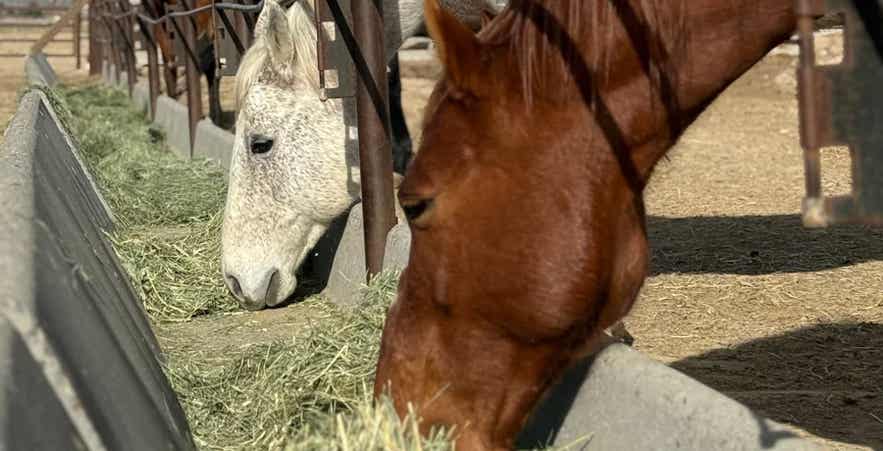
The best feeding tips for senior horses help maintain a healthy body condition, support metabolic function, and incorporate products designed for the unique needs of older equines.
Maintaining Body Condition
One of the biggest feeding mistakes owners make with older horses is assuming all seniors need the same diet. While maintaining body condition is vital for all senior horses, each horse needs a different approach.
Horses that are thin but otherwise healthy need feeding strategies that provide adequate calories and protein to promote healthy weight gain and maintenance.
High-quality forages, fed in formats that are easy to digest, can help these horses maintain their muscle mass and body condition. High-fiber feeds, such as beet pulp, provide extra calories while promoting healthy digestive function.
Metabolic Management
Some older horses with metabolic and endocrine disorders have the opposite problem. These horses are easy keepers who are predisposed to obesity and struggle to lose weight.
Limiting dietary sugar and starch is the most important management factor for reducing laminitis risk and keeping these horses healthy. Avoid high-starch feeds and select low-NSC forages. [4]
Pasture grasses with high NSC levels typically aren't suitable for senior horses with metabolic disorders. Grazing muzzles can help reduce intake for horses turned out on grass.
Senior horses with PPID also tend to drink more water and urinate more than healthy, young horses. Constant access to fresh, clean water is essential. Soaking feeds and forages can also help promote healthy hydration. [3]
Commercial Senior Feeds
Some owners turn to commercial senior feeds when planning a diet for older horses. These feeds are formulated to be highly digestible, with high fiber, moderate protein, added fat, and controlled levels of starch and sugar. [6]
Some commercial senior feeds are considered complete feeds, meaning they can replace forage if horses can't eat hay.
However, feeding a complete feed as the sole ration isn't ideal for supporting optimal digestive health in senior horses. The equine digestive system evolved to thrive on a constant intake of fibrous roughage, not large meals of high-starch grains. [8]
Even if your senior horse can no longer chew and digest long-stem hay, it doesn't mean they can't eat a forage-first feeding program.
Forage for Senior Horses
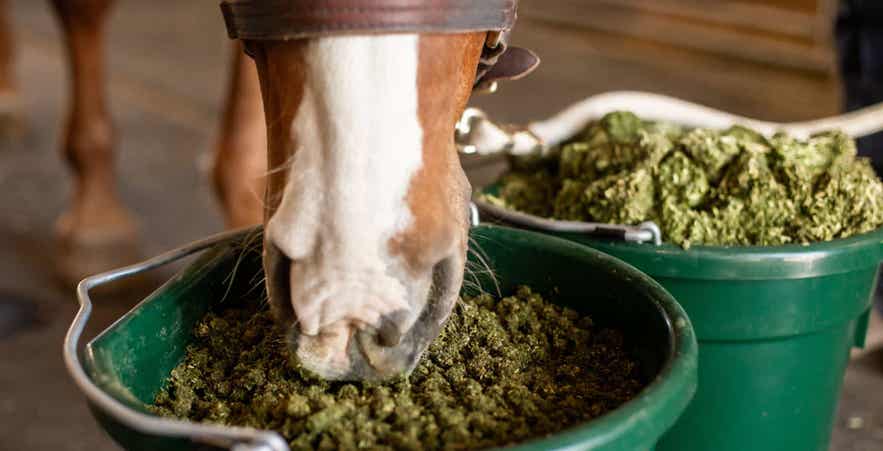
Forage-based diets focus on maximizing forage intake while minimizing concentrate use, reflecting natural grazing behaviour. Selecting the right forage type, forage form, and feeding method is essential for creating the best feeding plan for your senior horse.
Type of Forage
The best type of hay for senior horses varies depending on their health status. However, most seniors do best on high-quality hay that is soft, leafy, and free of dust or mold. Mature and stemmy forages may be more difficult to chew and digest.
A hay analysis can provide a more accurate assessment of forage quality and nutritional content. Different types of hay offer different nutritional profiles.
Types of hay commonly fed to seniors include:
- Orchard Grass: Grass hay with moderate protein and moderately high fiber that can be moderate to high in sugar content. Suitable for seniors who need a digestible energy-dense forage to support weight maintenance.
- Timothy Grass: Grass hay with high fiber content, moderate to low protein content, and moderate sugar content. Highly palatable and suitable for most healthy seniors. This type of forage is also commonly fed to older horses with metabolic concerns.
- Teff Grass: Grass hay with low sugar and high fiber content. Recommended for senior horses sensitive to sugar and starches.
- Alfalfa: Legume hay with moderately high protein, highly digestible fiber, high-calorie, and low sugar content. Recommended for senior horses as a supplemental forage to support muscle and weight maintenance.
Mixed forages that combine multiple hay types can also be suitable for seniors. Forage forms commonly fed to older horses often contain a blend of different hays to provide a balanced nutritional profile.
Forage Form
A senior horse with good teeth and normal body condition may do very well on high-quality long-stem hay. But older horses with poor dentition may need alternative forage forms to get the nutrition they need from their hay.
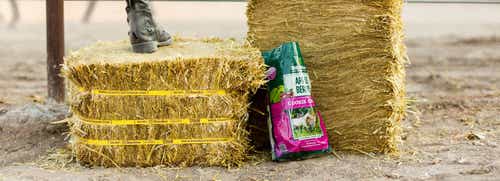
As horses age, hay quality becomes even more important. Standlee's compressed bales provide long-stem forage in a convenient, consistent format.
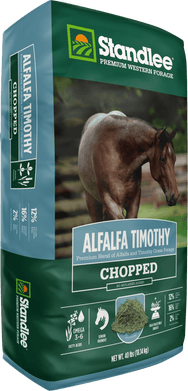
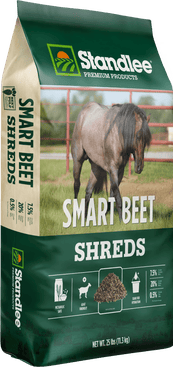
Chopped forage provides visible fiber length, but is typically softer and easier for senior horses to chew. Some owners mix chopped forage into their horse's senior feed to support digestive health.
Soaking Forage
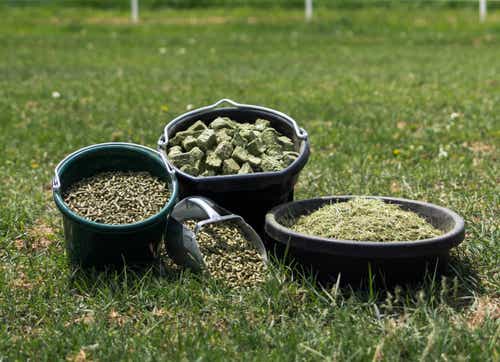
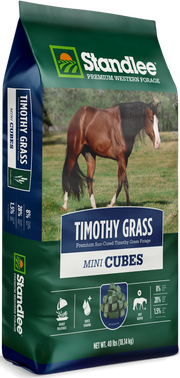
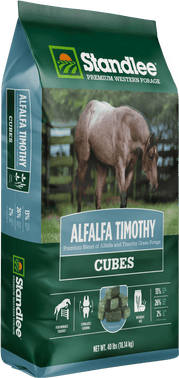
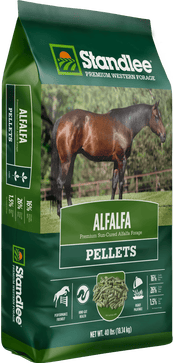
Hay pellets and hay cubes are often recommended for older horses because they provide consistent, high-quality forage in a form that is easier to chew, portion, and soak.
Soaking forage products can be especially helpful for older horses with dentition issues. Soaked feeds also help promote hydration in senior horses, which is especially important for horses with PPID.
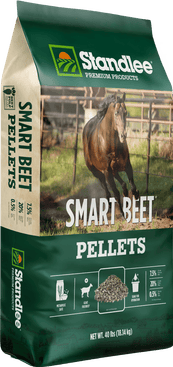
In horses with severe dental problems, long-stem hay may need to be completely replaced with soaked hay pellets or hay cubes to ensure the horse continues to consume enough fiber. Feeding soaked beet pulp can also help safely meet your senior's daily fiber requirements.
When soaking forage for senior horses, use a 2:1 water-to-forage ratio and soak for at least 30 minutes. Cubes and pellets should break apart easily, forming a soft, mash-like texture that is safe and easy for senior horses to eat.
Forage-Based Diets for Senior Horses
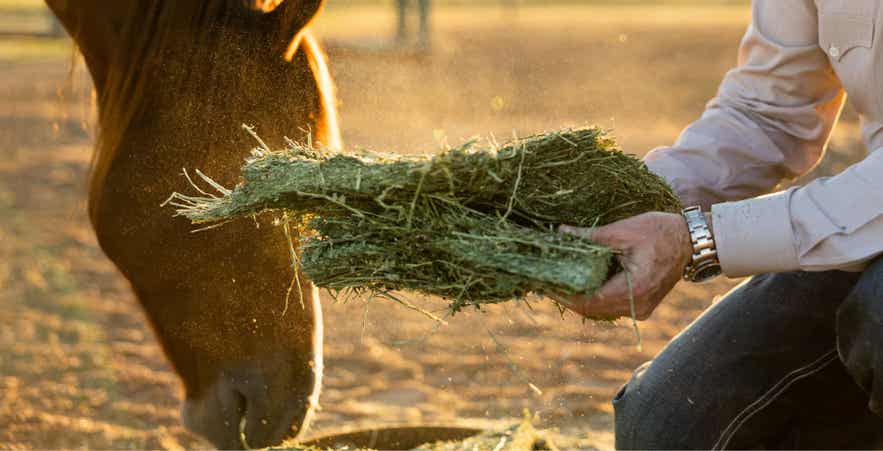
Your senior horse doesn't need a completely new diet just because they recently celebrated a certain birthday. Good senior horse nutrition focuses on matching the feeding program to the horse's current body condition, dentition, and health status.
Forage should still be the foundation of the diet, but the right forage for a senior horse may look different from what it did earlier in life. Some older horses can still thrive on quality long-stem hay. Others benefit from chopped forage, soaked pellets, soaked cubes, and other forage forms that are easier to chew and digest.
Monitoring your senior horse for weight loss, quidding, topline decline, or metabolic warning signs can help you adjust the diet to support longevity as they age.
Use the Standlee Forage Finder for help finding the best forage products to keep your senior horse happy and healthy in their golden years.
Frequently Asked Questions
At what age is a horse considered a senior?
Most horses are considered senior around 15 to 20 years of age. From a nutrition standpoint, a horse is considered senior when their usual diet no longer maintains their body condition.
Do all older horses need senior feed?
No. Some healthy older horses do very well on high-quality hay and a balanced ration. Others need easier-to-chew fiber, alternative forage forms, or a complete feed due to health conditions.
What is the best forage for senior horses?
The best forage for senior horses depends on their teeth, body condition, and metabolic status. Good options may include high-quality hay, chopped forage, soaked cubes, or soaked pellets.
Can senior horses still eat hay?
Yes, if they can chew and consume it effectively. Senior horses struggle to get adequate nutrition from long-stem hay when dental wear or disease impairs the physical breakdown of feed particles.
Should hay pellets or cubes be soaked for senior horses?
Often, yes. Soaking can make forage easier to chew, support hydration, and reduce the risk of choking in horses with poor dentition.
Is beet pulp good for senior horses?
Beet pulp can be a useful ingredient for senior horses because it provides fermentable fiber and can be fed in a soft, soaked form.
How can I help my older horse gain weight safely?
Start by evaluating dentition, forage intake, and health status. Then improve forage quality, use more digestible fiber sources, gradually increase calories, and work with your veterinarian when disease may be involved.
What should I feed a senior horse with no teeth?
These horses often need a fully managed program built around soaked forage cubes, soaked pellets, soaked beet pulp, or an appropriate complete feed.
References
- Jarvis NG. Nutrition of the aged horse. Vet Clin North Am Equine Pract. 2009.
- Siciliano PD, Harris PA. Nutrition and feeding of the geriatric horse. Vet Clin North Am Equine Pract. 2002.
- Menzies-Gow NJ, et al. BEVA primary care clinical guidelines: Diagnosis and management of equine pituitary pars intermedia dysfunction. Equine Vet J. 2024.
- Grenager NS. Endocrinopathic laminitis. Vet Clin North Am Equine Pract. 2021.
- du Toit N. Advances in dental management in the equine geriatric patient: strategies for improved welfare. J Am Vet Med Assoc. 2023.
- Ireland JL, et al. A cross-sectional study of geriatric horses in the United Kingdom. Part 1: demographics and management practices. Equine Vet J. 2011.
- Elzinga S, et al. Comparison of Nutrient Digestibility between Adult and Aged Horses. J Equine Vet Sci. 2014.
- Richards N, et al. Nutritional and Non-nutritional Aspects of Forage. Vet Clin Equine Pract. 2021.
Additional Learning Resources
From the Standlee Barn Bulletin Blog
- Selecting the Proper Forage for Your Horse
- The Ultimate Guide to Feeding Forage Pellets to Horses
- Beet Pulp for Horses: How It's Made and Why Color Can Vary
- How to Soak Hay Cubes and Pellets for Horses
- Preventing Winter Weight Loss in Horses
From the Standlee Beyond the Barn Podcast
- Ep. 029: How to Feed a Senior Horse and When They Need to Be Fed Differently
- Ep. 075: Managing Hard Keepers – How to Feed Your Underweight Horse
From the Standlee Nutritional Papers
Products featured in this post
Enjoying the Standlee blog?
Subscribe to Standlee emails and get our newest content (and coupons, offers, and other great stuff) sent to your inbox!
Subscribe Now