Timothy Hay for Horses: Benefits, Nutrition and Feeding Guide
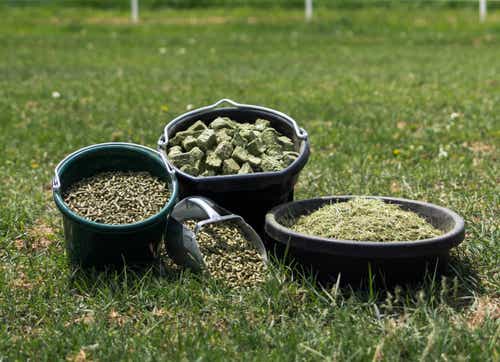
Choosing hay comes with plenty of questions. Is Timothy a good fit for your horse? Would pellets or cubes make feeding easier? And what does the information on the bag actually tell you? You do not need to become a nutrition expert to make an informed choice, but understanding a few key details can make those decisions more straightforward. Timothy hay can be part of many feeding programs, but the...

Fall Horse Care: How to Prepare Your Horse for Cooler Weather
A good fall horse care routine goes beyond pulling blankets out of storage. Changes in pasture availability, forage quality, water intake, workload, and weather can all influence how a horse should be managed throughout the season. Preparing early gives you time to evaluate your horse’s body condition, review their forage program and address health, barn or pasture needs before winter...

Providing Forage vs. Premium Forage: Why the Difference Matters for Your Horse
Believing that all hay provides the same basic nutrition is one of the most common assumptions in the horse world. It is also one of the most expensive assumptions to hold onto. Every horse owner provides forage in some form. That might mean a flake of hay tossed over a fence or a carefully sourced supply delivered by the ton. Far fewer horse owners are feeding a true premium forage program built...

Forage for Performance Horses: Building a Strong Nutritional Foundation
When feeding a performance horse, it is tempting to begin with what goes into the feed bucket. Which feed supplies the best fuel? What supplements are needed to maximize performance? Those are reasonable questions, but they are not a good starting point. Before deciding on anything that comes in a scoop, horse owners should start by evaluating what makes up the largest proportion of the diet....

Why Forage Should Be the Foundation of Your Horse's Diet
Equine nutrition starts with forage. Horses never truly left their grazing roots behind, even after centuries of domestication. Their teeth, stomach, and entire digestive tract are built for processing a steady intake of fibrous plant material. Feeding programs that treat forage as an afterthought work against that biology. Forage-based diets work with it, providing a strong foundation for nearly...
Enjoying the Standlee blog?
Subscribe to Standlee emails and get our newest content (and coupons, offers, and other great stuff) sent to your inbox!
Subscribe Now