Top 5 Places to Get Your Hay and Forage Tested
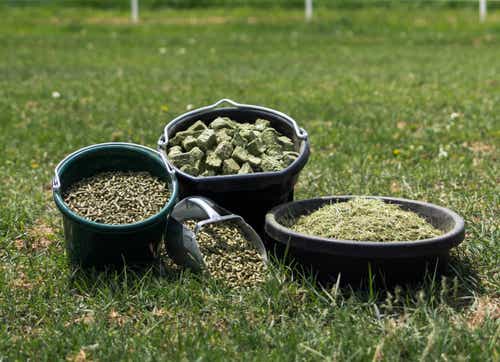
Every feeding program starts with forage, but not all hay is created equal. Weather, maturity at harvest, growing conditions, and storage can all impact forage quality, meaning two bales that look nearly identical may provide very different nutrition. While color, smell, and leafiness can offer clues, they can’t tell you what’s actually inside the bale. That’s where forage...

How to Extend Your Hay Supply When Hay or Pasture Is Limited
Hay shortages tend to happen more often than many horse owners expect. Forage production depends heavily on weather and growing conditions, and factors like drought, wildfires, flooding, or extended winters can significantly limit what’s harvested and when it’s available. Add in transportation delays or regional supply disruptions, and even barns that plan ahead can find their hay supply running...

Equine Gastric Health Guide: How to Manage Stomach Ulcers in Horses
The prevalence of gastric (stomach) ulcers in modern horses reflects a gap between how horses evolved to eat and how most horses are actually fed today. Modern management rarely delivers the near-continuous intake of fibrous forage needed to maintain optimal digestive function. The best-supported strategy for preventing and managing EGUS is to build the horse’s diet on a solid foundation of...

The First Thing Drought Takes Isn't Grass, It's Nutrition
When people think about drought, they often picture dry pastures, bare ground, and dwindling hay supplies. But one of the biggest challenges begins long before the pasture disappears. The first thing drought takes isn’t grass. It’s nutrition. As rainfall decreases and temperatures rise, pasture plants begin responding to environmental stress. Growth slows, nutrient concentrations often...

Beet Pulp for Horses: Nutrition, Benefits, and How to Feed It
Beet pulp is the fibrous feedstuff produced by the commercial processing of sugar beets. What remains after this processing is a fiber-rich, highly digestible feed that is low in starch and sugar. That nutritional profile is why beet pulp consistently appears in feeding programs for a wide range of horses. Horse owners use beet pulp to add weight without relying on grain, to stretch a forage...
Enjoying the Standlee blog?
Subscribe to Standlee emails and get our newest content (and coupons, offers, and other great stuff) sent to your inbox!
Subscribe Now