Winter Forage Planning for Horses and Livestock
When pasture growth slows, the forage stored in your barn takes on a larger role in your animals’ daily nutrition. How much will you need before spring? Will the hay you have provide enough energy? What happens if a cold stretch increases intake or a delivery is delayed?
A dependable winter feeding program starts with answering those questions while you still have time to make adjustments. It connects the animal’s needs with the forage you choose, the amount you can reliably supply, and the routine that gets it into the feeder.
At Standlee, we have focused on forage since 1981. Our Forage Foundation™ approach puts that expertise to work by helping owners build feeding programs around quality forage. For winter, that means understanding what your forage supplies and planning how it will support your horses and livestock through the entire season. [1]
Key Takeaways
- Calculate winter hay supply from actual feeding needs, expected feeding days, and realistic allowances for waste and delays.
- Match forage quality and form to the individual animal, including body condition, chewing ability, and production stage.
- Support winter energy needs with appropriate forage, accessible water, and protection from wind and wet weather.
- Monitor the animals and the inventory throughout winter so adjustments happen before supplies or body condition decline.
- Plan separate rations and mineral programs for different livestock species, even when they share a forage source.

Join Our Email List Today!
Be the first to get the latest news, promotions, updates and more from Standlee when you join our email list!
By signing up for email, you are agreeing to receive news, offers, and information from Standlee Premium Products, LLC®. You can also visit our Privacy Policy. Easy unsubscribe links are provided in every email.
Why Does Forage Matter So Much in Winter?
Forage supplies fiber and energy, and its fermentation helps horses produce body heat. Microorganisms in the hindgut break down plant fiber, releasing energy the horse can use and heat that contributes to maintaining body temperature. [6]
As pasture becomes less productive or inaccessible, stored forage must replace more of what the horse previously grazed. Cold weather can increase calorie needs at the same time. How much extra energy a horse needs depends on winter hair coat growth, body condition, acclimation, wind, rain, and shelter. A clipped horse standing in cold rain faces different demands from a healthy horse with a dry winter coat and wind protection. [2]
Begin by evaluating the amount and quality of forage the horse actually eats. Some horses need more forage during cold weather; others need a more digestible, energy-dense forage or additional feed to maintain condition. Make those decisions from the whole feeding program. Increasing grain automatically whenever the temperature drops can miss the underlying need to keep horses warm. [3]
What Should You Check Before Buying Winter Forage?
Start with the horses you are feeding. Record body weight or a consistent weight estimate, body condition, workload, and any health or chewing concerns. Most healthy adult horses are commonly managed around a body condition score of 5 to 6 on the nine-point scale, with individual goals set for the horse. [4][9]
Use your hands as well as your eyes. Feel the ribs, topline, neck, and tailhead beneath winter hair and blankets. A long coat or winter blanket can conceal changes that become obvious only after considerable weight loss. [2][4]
For senior horses, evaluate how effectively they chew and consume forage. Dropped wads of hay, slow eating, or weight loss despite available feed call for a veterinary and dental assessment. A softened forage option may help, but the feeding plan should address the reason the horse is struggling. [5]
Also distinguish easy keepers from horses with greater demands. Growing horses, working horses, and broodmares may need different nutrient densities in their diets. Horses with insulin dysregulation or a history of laminitis need forage selected using appropriate nutritional information and professional guidance. Sugar and starch levels can vary within the same forage type because of growing conditions and harvest timing. Use a forage analysis that includes sugar and starch to determine whether a hay fits a restricted diet. A guaranteed analysis that lists only protein, fat, and fiber does not provide that information. [6][7]
How Do You Choose the Right Winter Forage?

A strong winter Forage Foundation™ connects the nutrients in your forage with what your animals need and can consume. Choose clean, suitable forage supported by useful nutritional information. Color and softness can offer clues, but they cannot tell you how much energy, protein, or sugar a particular hay supplies. [8]
A forage analysis helps connect the hay to the feeding decision. Energy and fiber measurements help explain calorie supply and digestibility. Protein and mineral results help identify what the rest of the ration must provide. Sugar and starch testing can be especially important for horses with specific metabolic needs. Sample separate hay lots separately, following the laboratory’s instructions for collecting a representative sample. [7]
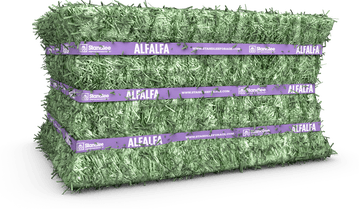
Grass hay, alfalfa, and mixed forages can all have a place in winter feeding. The right choice depends on the actual forage and the animal eating it. An easy keeper may need a different forage profile from a horse struggling to maintain weight; a higher protein percentage by itself does not tell you whether either horse is receiving the right calories. [27]
Standlee forage products include a Guaranteed Analysis backed by frequent laboratory testing. That provides nutritional information owners can use when selecting forage and building a consistent program. Read the analysis alongside the ingredients and feeding directions, and use our hay and forage testing guide to learn what to look for when evaluating other hay in your program. [8]
How Much Hay Should You Plan for Winter?
Calculate supply from daily consumption, the number of animals, and the length of the feeding season. Then account for forage that could be lost during storage or feeding and plan on a reserve for weather or delivery delays. [9]
Standlee’s general feeding guidance is 1.5% to 2.5% of body weight in forage each day, with the amount adjusted to the individual horse’s needs. [11][12]
A Winter Hay Planning Example
One of the best ways to avoid running out of hay is to calculate your approximate needs before winter arrives. As Dr. Kelly Vineyard explains in episode 108 of the Beyond the Barn podcast, a good place to start is by calculating how much forage one horse needs each day and multiplying that amount by the approximate number of days your horse will require hay to replace their regular pasture intake.
For example, a 1,000-pound horse with little to no pasture access, using 2% of body weight as a daily hay purchasing estimate, would need about 20 pounds of hay per day. Over a five-month winter (roughly 150 days), that is 3,000 pounds or 1.5 U.S. tons of hay for one horse, before accounting for waste, reserve supplies, or increased cold-weather needs.

However, this estimate does not account for any hay that gets wasted through trampling, soiling, or being left uneaten. It also does not account for any increased forage needs during particularly cold, rainy, or windy weather. As temperatures drop and environmental changes occur, horses may need additional forage to meet their energy requirements to maintain body condition throughout winter.
These are planning assumptions, not a prescribed ration or reserve for every horse. Your horse’s actual needs will depend on body weight, body condition, age, workload, pasture availability, forage quality, and environmental conditions. Revisit your calculations as those needs change or if you have additional horses.
If storage space is limited, arrange staged purchases and a reorder point. Leave enough time to obtain the next supply and introduce it gradually while some familiar forage remains. Plan through the point when pasture can reliably contribute again, which may be later than the first green growth. [9]
Forage Alternatives for Horses When Local Hay Supply Falls Short
The right forage form can help you manage storage, measure meals, and support a horse that needs an alternative to its current hay. Build that option into the routine before a supply disruption makes the choice urgent. [9][13]
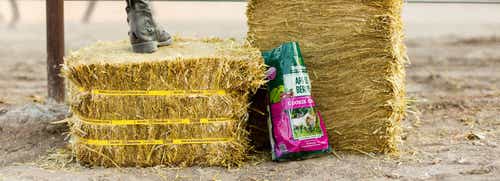
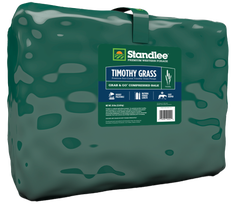
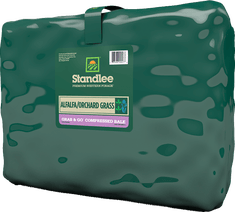
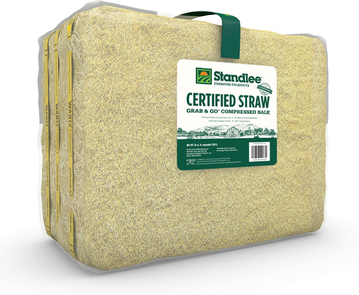
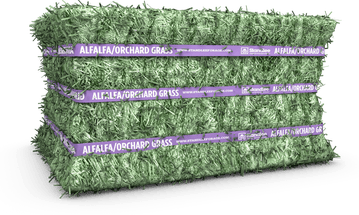
Standlee Grab & Go® and Compressed Bales provide long-stem forage in compact packages. They can work as part of the everyday supply or a planned reserve. Compression changes the space the hay occupies, so weigh portions instead of judging a compressed flake by appearance. [10]
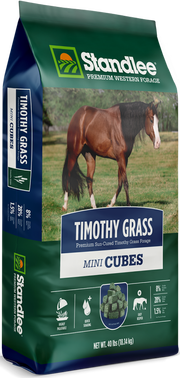
Standlee Timothy Grass Mini Cubes provide a grass-forage option that is easy to portion and can be soaked and softened for horses needing a more manageable texture. Standlee Alfalfa Pellets provide protein and digestible energy in a form that is easy to weigh and incorporate into the daily ration or mix with supplements. Choose the forage type for the nutrients your horse needs and the format for how your horse eats. [11][12]
Weigh cubes or pellets before adding water. Follow the specific product’s preparation directions, check that soaked forage is fully softened, and feed it promptly. Preserve appropriate long-stem forage and eating time for horses that can chew hay effectively. A horse that cannot manage hay needs an individualized replacement plan. [11][12][13]
Plain forage products also need to fit a balanced diet. After choosing the forage, account for salt, vitamins, minerals, and any additional energy or protein the horse requires with a ration balancer or grain concentrate as needed. Our Forage Finder can help you explore forage options for your horse. [14]
How Can You Protect Your Winter Forage Supply?
Dry storage and efficient feed management practices protect both the amount of forage available and its quality. Keep hay under cover, off damp ground, and in a well-ventilated area. Protect bags and bales from leaks and pests, keep lots identifiable, and inspect forage before feeding. Moldy, spoiled, or contaminated forage should not be fed. [10][15]
Feeding equipment matters, too. University of Minnesota research found substantial differences in hay waste among round-bale feeding systems. Use feeders designed for horses, and watch how much forage is pulled out, trampled, or left uneaten. Choosing the right feeder and minimizing waste can help you make the most of your available hay supply throughout winter. [16]
Check that every horse can reach its share. A feeder can contain plenty of hay while a timid horse is repeatedly displaced. Grouping by feeding needs or providing additional feeding locations can make the planned ration more accessible. [28]
Our forage storage guide offers more practical ways to protect the supply you have purchased.
Why Does Water Belong in a Forage Plan?
Replacing fresh pasture with dry hay reduces the water supplied by feed. Horses need dependable access to clean, unfrozen drinking water, and reduced drinking can affect feed intake and increase impaction colic risk. [2][3]
Check buckets, tanks, and automatic waterers during daily chores. Confirm that water is flowing and accessible, inspect heaters, and plan how you will supply water if a line freezes or power fails. University of Minnesota Extension recommends offering water around 45°F to 65°F during winter to encourage horses to drink. Snow should not be your planned water source. [2]
Soaked forage adds water to a meal and can be easier for horses with poor teeth to chew and consume. It does not replace drinking water or guarantee that total water intake increases. Prepare only what can be fed promptly, and prevent soaked meals from freezing before the horse finishes eating. [13]
Build a Winter Routine You Can Maintain
A useful winter plan should be easy to follow during an ordinary feeding and during a week of difficult weather. Keep a short record of forage fed, body condition, refusals, and supplies remaining. Use the same weighing and condition-checking methods so changes are easier to recognize.
At each feeding: Check appetite, forage condition, drinking-water access, and whether every animal can reach its feed.
On a regular schedule: Assess body condition by touch, review weight trends, and count usable forage remaining.
Before a storm or delivery: Confirm reserve supplies, water arrangements, and the time needed for a gradual forage transition.
At Standlee, we believe a strong Forage Foundation™ through winter begins with quality forage and a feeding program you can maintain. Our forage options, nutritional information, and educational resources can help you make those decisions with greater confidence.
Start with the Standlee Forage Finder for your horse, and use our Store Locator to find a retailer near you. Planning ahead gives you time to choose the right forage, confirm availability, and build a routine that supports your animals through winter.
Frequently Asked Questions
Do Horses Need More Hay in Winter?
Often, especially when pasture contributes less or cold conditions increase energy needs. The amount depends on the horse, the forage, and the weather. Monitor body condition and actual intake, then adjust forage quantity or nutrient density to meet the need. [3]
Is Alfalfa Better Than Grass Hay for Winter?
The right choice depends on the horse’s requirements and the actual forage analysis. Alfalfa can contribute energy and protein for horses with greater demands. Grass hay or a mixed forage may fit others. Match the forage to the whole ration. [27]
Can Pellets or Cubes Replace Hay During a Shortage?
They can replace part or all of the forage supply when incorporated appropriately and as necessary. Retain suitable long-stem forage if the horse can chew it. A large substitution or complete hay replacement needs an individualized feeding plan. Make the transition gradually, generally over 7 to 14 days, following product directions and the individual feeding plan. [11][12][13]
How Much Extra Hay Should I Keep?
Base the reserve on delivery lead times, storage capacity, local weather, and how long pasture may remain unavailable. Include anticipated waste as well.
Can Horses, Cattle, Sheep, and Goats Eat the Same Hay?
Some hay sources can fit more than one species, but the amount fed and the rest of the ration will differ. Consider forage analysis, life stage, and body condition for each group. Keep species-specific feeds and minerals separate. [6][18][19][20]
When Should I Recalculate a Livestock Forage Budget?
Revisit it when animals enter late pregnancy or lactation, herd numbers change, weather increases demand, or actual waste differs from the original estimate. Recheck the remaining inventory against the updated feeding rate and the expected end of the hay-feeding season. [17][18]
Additional Learning Resources
Explore these Standlee guides and conversations for help with forage selection, preparation, storage, and daily feeding.
From the Standlee Barn Bulletin
- Top 5 Places to Get Your Hay and Forage Tested
- Must-Know Proper Forage Storage Tips
- Forage Pellets for Horses: What They Are & How to Feed
- How to Soak Hay Cubes and Pellets for Horses: A Quick Guide
From the Beyond the Barn Podcast
- Ep. 108: 4 Simple Ways to Stretch Your Hay Supply Without Sacrificing Nutrition
- Ep. 105: 5 Nutrition Mistakes Horse Owners Make in Winter
- Ep. 025: How to Plan for Hay Needs and Useful Storage Tips to Avoid Hay Loss
- Ep. 024: Why Horses Need to Be Fed Differently During Winter
Horse Education and Nutrition Resources
Research References
Numbered citations in the article link to this list. Source titles link to the supporting guidance or current product directions. Research sources checked October 28, 2026; updated feeding guidance and added podcast links checked November 5, 2026.
- Standlee. Forage Foundation.
- University of Minnesota Extension. Caring for your horse in the winter.
- Rutgers Cooperative Extension. Winter Feeding for Horses.
- Alabama Cooperative Extension System. Body Condition Scoring as Equine Management Tool.
- Rutgers Cooperative Extension. Care for the Older Horse: Diet and Health.
- Merck Veterinary Manual. Nutritional Requirements of Horses and Other Equids.
- University of Georgia Equine Program. Understanding Hay Species and Forage Quality: Part 2.
- Standlee. Top 5 Places to Get Your Hay and Forage Tested.
- Alabama Cooperative Extension System. Estimating & Supplying Equine Forage Requirements.
- Standlee. Grab & Go and Compressed Bales for Horses & Livestock.
- Standlee. Timothy Grass Mini Cubes: Product Information and Feeding Directions.
- Standlee. Alfalfa Pellets: Product Information and Feeding Directions.
- University of Georgia Equine Program. Forage Alternatives for Horses.
- Standlee. Forage Finder.
- University of Minnesota Extension. Preserving the value of dry stored hay.
- University of Minnesota Extension. Feeding horses with a round-bale feeder.
- University of Wisconsin–Madison Extension. Manage feeding to help cattle handle cold stress.
- University of Wisconsin–Madison Extension. Hay Analysis Guide for Beef Cattle: Determining Winter Feed Needs.
- Oregon State University Extension. Nutrition and feeding for sheep and goats.
- University of Arkansas System Division of Agriculture. Basic Nutrition of Small Ruminants.
- Ohio State University Small Ruminant Team. Reduce Feed Costs by Reducing Hay Waste (Penn State Extension article).
- Rutgers Cooperative Extension. Llamas and Alpacas.
- Oregon State University Extension. The benefits and challenges of pasture-based pork production.
- University of Minnesota Extension. Caring for chickens in cold weather.
- South Dakota State University Extension. Icebreakers: Winter Water Supply.
- University of Minnesota Extension. Managing dairy cattle in cold weather.
- University of Minnesota Extension. Selecting and storing hay.
- New Mexico State University. Hay Feeding Management Strategies as Cost-control Measures on Horse Farms.
Products featured in this post
Enjoying the Standlee blog?
Subscribe to Standlee emails and get our newest content (and coupons, offers, and other great stuff) sent to your inbox!
Subscribe Now