Table of Contents
Table of Contents
Equine Senior Care
All Available Resources On This Topic
Standlee has created and actively maintains a wealth of resources about equine senior care. Be sure to find all of these resources on this page, or simply click the buttons below to see them.
VIEW ALL RESOURCESUnderstanding Senior Horses
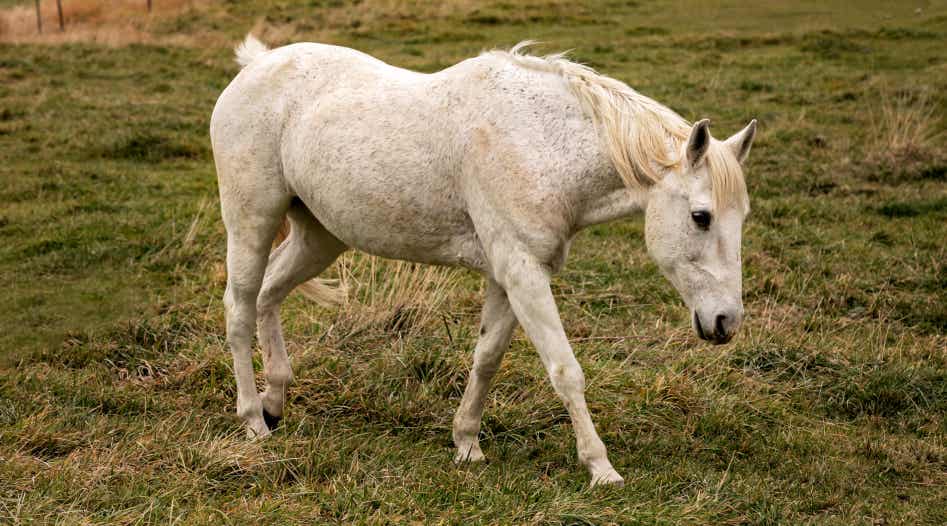
Aging is a natural part of every horse’s life. Horse owners often ask when a horse officially becomes a “senior”, and while 15 or 16 years old serves as a convenient benchmark, it is just a suggestion. Some horses show signs of aging earlier, while others stay active and healthy well into their twenties. Horses show signs of aging at different times depending on their genetics, health history, workload, and lifelong nutrition and veterinary care.
The real marker of a senior horse is not age, but rather the point at which age-related changes begin to affect dentition, digestion, muscle and immune function, and overall management needs. This “senior transition” happens on its own timetable, and recognizing these changes early allows you to adjust feeding and management practices to support long-term health and quality of life, before problems can escalate.
Physical and Behavioral Changes in Equine Seniors
Common physical signs of aging include loss of muscle and body condition, decreased mobility, difficulty chewing, and “quidding” (dropping balls of partially chewed hay). Behavioral changes may include the following:
- decreased appetite or taking longer to finish meals
- reduced social interaction
- lowered enthusiasm for exercise
- decline in general alertness
Stiffness, slower transitions under saddle, or reluctance to lie down may signal developing joint discomfort. These changes should never be dismissed as “just old age”, and a veterinary evaluation will help pinpoint the origin of these changes and how to best address them.
Nutrition for Senior Horses
Good nutrition is essential for supporting healthy aging. Because the ability to digest protein and fiber can decline with age, senior horses may require higher-quality forages and energy-dense concentrate feeds to maintain body condition. Feeding high-quality protein sources will help to support muscle maintenance and function, and high-quality forages are easier to digest. Feeding schedules should be consistent, and spreading the daily ration out across multiple smaller meals per day will support digestive health.
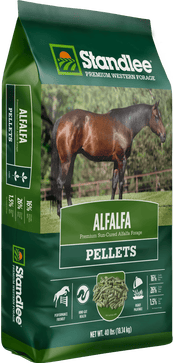
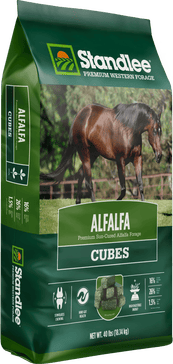
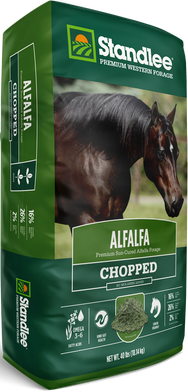
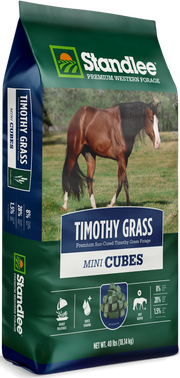
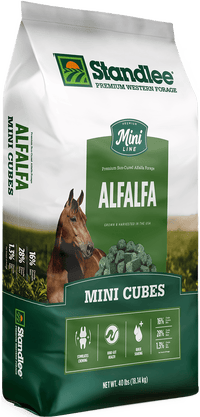
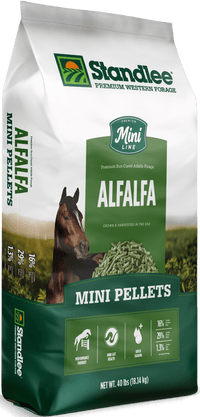
Forage should remain the foundation of the diet, regardless of a horse’s age. When dental changes limit a horse’s ability to chew long-stem hay, feeding forage alternatives in an easy-to-chew form becomes essential. Standlee Alfalfa Pellets, Cubes, and Chopped Forages provide digestible protein and energy in a form that’s easier to chew than long-stem hay and can be soaked in water to create a mash if needed. Soaked Timothy Grass Mini Cubes offer a slightly lower-calorie fiber source and are another palatable option for horses with compromised dentition.
Older horses may drink less, especially in cold weather, but hydration is critical. Provide fresh, clean water at all times, and consider offering soaked forage pellets and feeding salt or electrolytes to increase water intake. Using insulated buckets or a water heater can help to increase water intake in cold weather, as horses will drink more readily when the water temperature is above freezing.
Health Monitoring
Regular veterinary check-ups become increasingly important as horses age. Annual wellness exams should include dental evaluations, body condition scoring, and routine bloodwork to screen for age-related conditions like pituitary pars intermedia dysfunction (PPID, aka “Cushing’s disease”) or insulin dysregulation. Dental care deserves special attention in senior horses, as worn or missing teeth significantly impact their ability to chew and process forage. Some horses may require more frequent dental floats to maintain comfort and proper chewing function, especially as they age.
Vaccination protocols should be reviewed with your veterinarian, as older horses can experience an age-related decline in immune function (“immunosenescence”) and may benefit from adjusted schedules or booster doses. Watch for signs of illness that may be subtle in senior horses, including unexplained weight loss, changes in water consumption, chronic nasal discharge, or changes in manure consistency. Early intervention is key to the successful management of age-related health issues.
Managing Common Health Issues in Equine Seniors
Weight Management
Maintaining appropriate body condition is one of the most common challenges in senior horse care. Hard keepers may benefit from the addition of more calorie-dense forages like alfalfa or beet pulp, which provide more digestible fiber and calories without excess soluble carbohydrates. For easy keepers, lower-calorie grass forages provide essential fiber without excessive energy.
Metabolic Disorders
As senior horses age, they can become more susceptible to some metabolic disorders. Equine metabolic syndrome and insulin dysregulation require careful dietary management, including limiting soluble carbohydrate intake and choosing forages with known sugar and starch levels. Work with your veterinarian or qualified equine nutritionist to develop an appropriate testing and management protocol if metabolic concerns arise.
Arthritis and Joint Care
Joint health naturally declines with age, and many senior horses experience some degree of arthritis. Nutritional support may include supplementation with research-backed ingredients to support joint health, but nutrition is just one piece of the puzzle. Work closely with your veterinarian to develop a comprehensive joint care plan that may include weight management, appropriate exercise, controlled turnout, and medical interventions and treatment when needed.
Creating a Comfortable Environment for Senior Horses
Senior horses thrive in environments that prioritize accessibility. Living spaces should feature level footing and easy access to feed and water. Deep, comfortable bedding reduces stress on aging joints and encourages horses to lie down and rest.
In cold weather, senior horses who have difficulty maintaining weight or that can no longer grow adequate winter coats may require blanketing to maintain body temperature and prevent weight loss.
Don't overlook the importance of social interaction and mental stimulation. Most senior horses will benefit from continued turnout with compatible companions, as isolation can lead to depression and behavioral changes. Even horses who can no longer be ridden can enjoy gentle grooming sessions, hand-walking, or simply spending time with their owners. These interactions support mental well-being and quality of life.
Key Takeaways for Caring for Senior Horses
- Senior horses are defined by changes in function, not just chronological age.
- High-quality, easily digestible forage should form the foundation of senior horse rations.
- Close monitoring and regular veterinary care help catch age-related conditions early.
- Weight management, metabolic support, and joint care are common senior health priorities.
- Safe environments and social interaction support both physical and mental well-being.
Caring for a senior horse requires attention, adaptability, and commitment, but the reward is knowing you're supporting your partner through their golden years with the quality of life they deserve.
References
1. Argo, C. Nutritional Management of the Older Horse. Vet Clinics: Equine Practice. (2016) 32:343 – 354.
2. DeNotta, S and McFarlane, D. Immunosenescence and inflammaging in the aged horse. Immun Ageing. (2023) 20:2.
Featured products for this topic
Related Blog Posts
Related Podcast Episodes
- Ep. 029: How to Feed a Senior Horse and When They Need to Be Fed Differently
- Ep. 056: How to Improve Your Horse's Diet - Including 4 Example Horse Diets Balanced by Dr. Cubitt
- Ep. 070: The Reason Why Your Horse Has a Poor Topline
- Ep. 050: Top 10 Most Common Feeding Mistakes Horse Owners Make
- Ep. 096: The Problem with One-Size-Fits-All Feeding Plans for Metabolic Horses (Part 2)
- Ep. 084: How to Help Your Horse with Cushing's Disease