Table of Contents
Table of Contents

Performance Horse Care
All Available Resources On This Topic
Standlee has created and actively maintains a wealth of resources about performance horse care. Be sure to find all of these resources on this page, or simply click the buttons below to see them.
VIEW ALL RESOURCESPerformance horses come in many forms. Some are elite athletes competing at the highest levels of racing, rodeo, or show jumping. Others are lesson horses, weekend show partners, or hard-working ranch horses. While their jobs may look different, they have one thing in common: they are being asked to perform.
A performance horse is defined by the physical and mental demands that are placed upon them, not ribbons, arenas, or entry fees. Any horse in regular work needs a thoughtful care program that supports fitness, recovery, proper nutrition, soundness, and overall well-being.
Good performance horse care is built on a consistent routine that prioritizes overall health and soundness, day after day. The basics of good horse management and care may not be flashy, but they are the key to long-term success.
Understanding Individual Performance Horse Needs
The first step in caring for a performance horse is understanding the horse’s workload. A horse ridden lightly a few days per week has different nutritional requirements and training than an endurance horse covering long distances, or a dressage horse developing strength, balance, and collection.
Exercise increases the horse’s need for digestible energy, quality protein, certain vitamins and minerals, water, and electrolytes. But more work does not automatically mean more feed. The right feeding program depends on several factors, including the horse’s body condition, workload, metabolism, forage quality, health history, and discipline.
A horse’s body condition score (BCS) is one of the most useful tools for evaluating whether their diet matches their needs. Most performance horses do well within a 4 – 6 BCS range on the 9-point Henneke scale, depending on discipline. Endurance and racehorses may perform better toward the leaner end of that range, while dressage horses and pony hunters may be on the higher end. A horse that is too thin may lack reserves for work and recovery, while an overweight horse carries extra weight and fat reserves that place extra stress on joints, soft tissue, and their metabolism. The goal is for the horse to have enough condition to support performance, but not so much that excess weight becomes a limiting factor.
Nutrition for Performance Horses Starting with Forage
Forage should be the foundation of every performance horse diet. Horses are designed to eat fibrous feeds over many hours each day, and forage supports not only calorie intake, but also digestive function, hydration, mental well-being, and normal chewing behavior.
As a general guideline, horses should receive at least 1.5% of their body weight per day in forage, with 2% to 2.5% often being an ideal target. For a 1,000-pound horse, that means about 15 to 25 pounds of forage per day, depending on body condition, workload, and total ration composition.
Forage can come from a combination of pasture, hay, chopped forage, pellets, cubes, and other forage-based products. The best option depends on the horse’s needs and the management situation. Long-stem hay and pasture encourage chewing, which stimulates saliva production. Saliva helps buffer stomach acid, an important consideration for performance horses that may spend more time stalled, traveling, or eating meals rather than grazing.
For horses that struggle to maintain weight or need more nutrient density, high-quality alfalfa or alfalfa-grass mixes can be beneficial. Alfalfa provides digestible energy, quality protein, and calcium. For horses that need controlled calories or lower sugar and starch intake, teff grass, other mature grass hay, or tested lower-NSC forage options may be more appropriate.
Match Nutrition Support to Horse’s Workload
Different types of performance require different types of fuel. Horses performing short, intense work, such as racing, timed rodeo events, or jumping, rely heavily on muscle glycogen, the primary source of stored carbohydrates used for energy production. These horses may benefit from a balanced diet that includes appropriate amounts of soluble carbohydrates, assuming they have not been diagnosed with a medical condition that requires restricted carbohydrate intake.
Horses doing lower-intensity or longer-duration work, such as endurance riding or English and Western performance, benefit from fat and fiber as energy sources. Fat is calorie-dense and can help increase energy intake without dramatically increasing meal size or starch intake. Many performance rations include a combination of fat, fiber, and soluble carbohydrates to support a wide range of fueling needs.
Prioritize Protein Quality Over Quantity for Performance
Performance horses need protein to support muscle repair, topline development, and tissue recovery. But the quality of the protein matters as much, if not more, than the total amount. Protein is made up of amino acids, and lysine, methionine, and threonine are especially important when evaluating protein quality. A horse can receive plenty of crude protein on paper and still lack the amino acid balance needed for ideal muscle development and repair.
This is especially common in easy keeper performance horses on a forage-based ration that receive only a small amount of or no fortified feed. These horses may have plenty of body fat but still lack topline. In these cases, adding calories is not always the answer. A ration balancer or appropriate amino acid support may be a better choice.
The Importance of Water and Electrolytes
Water is one of the most important nutrients for performance horses, yet it is easy to overlook until there is a problem. Exercise, sweating, hot weather, and travel all increase their water needs.
Horses lose sodium, chloride, potassium, and smaller amounts of other minerals in sweat. These electrolytes support thirst, hydration, nerve function, and muscle contraction. All horses should have daily access to clean, fresh water and salt. Performance horses that sweat heavily may need additional electrolyte support, especially during hot weather, travel, or multi-day events.
Plain salt can be offered free choice or top-dressed, and many horses benefit from one to two tablespoons of supplemental salt per day as part of a balanced program. For heavy sweating or for picky eaters, a commercial electrolyte may be useful, but it should still contain salt as the first ingredient. Electrolytes should never be given to a dehydrated horse that is not drinking, as this can make things worse. When in doubt, call your veterinarian.
Support Digestive Health in Performance Horses
Performance horses are at increased risk for digestive issues, including gastric ulcers, colic, and hindgut dysfunction. Common risk factors include stall confinement, limited forage access, high-starch meals, travel, stress, inconsistent routines, and intense training.
Several feeding practices can help support digestive health:
- Offer forage frequently or continuously when possible
- Avoid large concentrate meals
- Feed hay before grain to slow intake
- Make feed and forage changes gradually
- Use slow-feed hay nets when appropriate to extend eating time
- Maximize turnout when safe and practical
For horses with a history of gastric ulcers, veterinary diagnosis and treatment are essential. Nutrition and management changes are also important to reduce recurrence. These may include more frequent forage meals, increased turnout, reduced starch intake, and strategic use of calcium-rich alfalfa as part of the forage program.
Manage Horse Turnout, Fitness, and Mental Well-Being
Performance care is not just about nutrition. Turnout, arena footing, farrier and dental care, veterinary support, saddle fit, and recovery time all contribute to the horse’s ability to perform well.
Turnout provides movement, grazing opportunities, social interaction, and mental stimulation. It can also help reduce stress and support digestive motility. However, turnout should be managed thoughtfully. Match turnout groups carefully, inspect fencing, introduce new horses slowly, and consider footing, weather, and pasture conditions.
Seasonal changes also matter. Spring pasture may be lush and calorie dense. Summer heat increases sweat, and fly control measures may be needed. Fall weather shifts can change pasture sugar levels. Winter may reduce water intake and increase calorie needs for some horses. Good performance care means making adjustments along with the season.
Support for Common Performance Horse Health Concerns
Common performance horse health concerns include gastric ulcers, colic, lameness, tying-up, and respiratory issues. Nutrition can play a supportive role in many of these cases, but it is not a substitute for veterinary care.
A horse that is losing weight, resisting work, showing recurrent soreness, changing attitude, tying-up, developing loose manure, or struggling to recover deserves a closer look. A strong care team may include a veterinarian, farrier, nutritionist, trainer, bodyworker, and, most importantly, an observant owner or manager. No one knows the horse’s daily habits better than the one who cares for them on a regular basis.
Key Takeaways for Caring for Performance Horses
Performance horse care is built on consistency. Following these steps can set you and your horse up for success:
- Start with high-quality forage, then balance the diet and supply calories based on workload, body condition, health status, and forage analysis.
- Provide clean water, salt, and electrolytes when needed.
- Make feed changes gradually.
- Support digestive health by maximizing forage access and minimizing large, high-starch meals.
- Use turnout and thoughtful management to support both physical and mental well-being.
Most importantly, remember that optimal performance is the product of not only appropriate training, but also everything else that takes place on the days in between. When the foundation is strong, the horse has a better chance to feel good, stay sound, and show up ready to do the job being asked of them.
Featured products for this topic
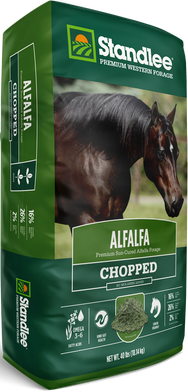
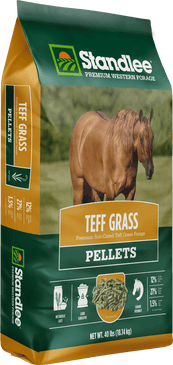
Related Blog Posts
- Forage for Performance Horses
- Low Sugar & Starch Horse Feed Pellets - Smart Carb Performance
- Ensure your horse diet includes vitamins & minerals.
- Standlee forage sponsor testimonial from Clinton Anderson.
- The Secret to Keeping Horses Hydrated, Horse Hydration Tips
- Equine Gastric Ulcers: Causes, Symptoms & Management
- How to Supplement Your Horse's Diet with High-Quality Forage
- Understanding Symptoms & Prevention of Heat Stress in Horses
- What Is Oat Grass Hay and How Can It Benefit Horses?
- Forage Pellets for Horses: What They Are & How to Feed
- Feeding Alfalfa Timothy Hay for Horses
- Feeding Orchardgrass Hay to Horses, Cattle & Other Livestock
- Complete Guide - Is Beet Pulp Feed Right for Your Horse
- Laminitis in Horses: Symptoms, Causes, & Feeding Strategies
- Chopped Forage for Horses: Benefits, Uses, and How to Feed
- How to Reward Your Horse With Healthy Horse Treats
- The Importance of Feeding a Consistent Diet for Your Horse
- How to Feed a Horse | Complete Forage & Horse Feeding Guide
Related Podcast Episodes
- Ep. 038: Have the Top Performing Horse with Nutrition Management
- Ep. 113: 3 Changes to Make When Transitioning Horses Back to Work
- Ep. 042: How Working with Horses and Getting Rid of Negative Energy Can Change Your Life with Clinton Anderson
- Ep. 043: How Regrets, Life Struggles, and Learning from Mistakes Won’t Ruin You with Clinton Anderson
- Ep. 046: How Family Makes the Reining Horse Dream a Reality with Craig Schmersal
- Ep. 028: Journey to an Olympic Silver Medal with Dressage Rider and Trainer, Adrienne Lyle
- Ep. 067: The Longest & Toughest Horse Race in the World – Racing the Mongol Derby
- Ep. 107: Horsemanship, Rodeo, and Legacy with NFR Saddle Bronc Rider Mitch Pollock
- Ep. 056: How to Improve Your Horse's Diet - Including 4 Example Horse Diets Balanced by Dr. Cubitt
- BONUS - Supplement with Standlee – Adding High Quality Hay to Your Horse's Diet
- Ep. 048: Beet Pulp – What Is It and Why Do Horses Need It?
- Ep. 084: How to Help Your Horse with Cushing's Disease