Table of Contents
Table of Contents
Sugar and Starch Sensitivities in Horses
All Available Resources On This Topic
Standlee has created and actively maintains a wealth of resources about sugar and starch sensitivities in horses. Be sure to find all these resources on this page or simply click the button below to see them.
VIEW ALL RESOURCESThe Role of Carbohydrates in Horse Diets
Dietary carbohydrates are an important energy source for horses, but not all carbohydrates are digested in the same way. Structural carbohydrates (fiber) are fermented by microbes in the hindgut and serve as a source of energy and to support optimal gut health. Non-structural carbohydrates (NSC; sugars and starches) are rapidly digested in the small intestine, triggering a subsequent rise in blood glucose and insulin levels.
For most horses, this glucose and insulin response isn't problematic. But for those with sugar and starch sensitivities, high NSC intake can lead to more serious conditions, such as laminitis.[1,3]
Signs of Sugar and Starch Sensitivities in Horses
Horses at risk of being sensitive to sugars and starches in the diet often show one or more of these signs:
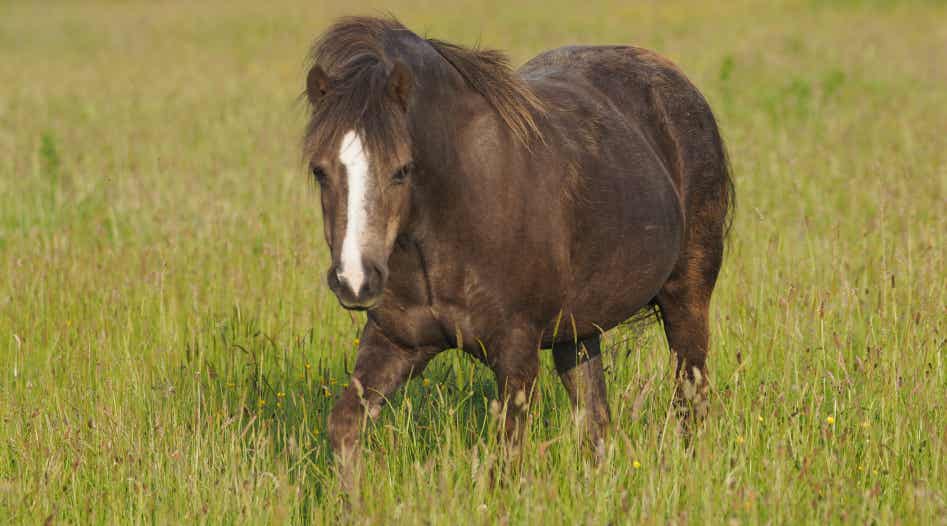
- Abnormal fat deposits, especially a cresty neck or fat over the tailhead
- Recurrent laminitis episodes
- Difficulty losing weight despite efforts to reduce calories in the diet
- Muscle soreness or "tying up" episodes
If you suspect your horse is at risk, work with your veterinarian to achieve a proper diagnosis that may require a blood test, oral sugar test, or muscle biopsy. This is an essential first step to creating the most effective treatment, feeding, and management plan [1].
Common Conditions Linked to Sugar and Starch Sensitivities
The following are nutrition-related medical conditions impacted by sugar and starch levels in horse diets:
- Insulin Dysregulation (ID): Abnormal insulin response, either fasting or after meals, that lead to increased laminitis risk [1].
- Equine Metabolic Syndrome (EMS): Characterized by ID, obesity/regional adiposity (accumulation of fat), and laminitis predisposition. Ponies with a cresty neck score of three or above are five times more likely to be insulin dysregulated [2]. Related Reading: Cresty Neck – A Precursor to Metabolic Disease in Horses
- Pituitary Pars Intermedia Dysfunction (PPID; commonly referred to as equine Cushing's disease): An endocrine disorder more commonly seen in older horses that can worsen ID and laminitis risk.
- Laminitis: Painful inflammation of the hoof laminae, strongly linked to hyperinsulinemia, which can lead to founder [1]. Related Reading: Laminitis or Founder – Which is it?
- Muscle Disorders (PSSM, RER): Starch-sensitive myopathies, such as Polysaccharide Storage Myopathy (PSSM) or Recurrent Exertional Rhabdomyolysis (RER), where high-carbohydrate diets can worsen symptoms. Related Reading: PSSM – What Should I Feed to Address Tying-Up or Cramping?
Work with your veterinarian and qualified equine nutritionist, as these conditions require a higher level of nutritional care.
Feeding Strategies for Horses Sensitive to Sugars and Starches
General principles for managing dietary NSC intake include:
- Choosing forage with <10–12% NSC (dry matter basis): Research confirms that remaining below this threshold reduces insulin spikes [3,4]. Test hay and/or incorporate bagged forages with guaranteed sugar and starch to ensure this threshold is not exceeded.
- Feeding low-NSC pelleted forage is safe: Macon et al. (2024) showed that feeding low-NSC forage pellets did not trigger exaggerated insulin responses in ID horses [3].
- Feeding small, frequent meals: This helps regulate glucose and insulin levels and prevents unwanted spikes.
- Controlling pasture access: This is especially important for obese horses or during times of rapid growth (i.e. spring) and after a frost, when sugars are naturally elevated. Restrict time grazing by stalling, utilizing dry lots, or using a grazing muzzle. Related Reading: How to avoid high NSC intake for horses in the Spring
- Soaking hay: If NSC content of hay is unknown or greater than 12%, soaking in warm water for 30 minutes or 60 minutes in room temperature water and draining the water off, reduces soluble carbohydrate content by approximately 25–50%.
- Balancing the diet: While restricting dietary sugars and starches, ensure that essential protein, vitamin, and mineral needs are met by supplementing with a high-quality vitamin/mineral supplement, ration balancer, or low starch fortified feed, depending on the specific needs of the horse [4].
If you are concerned that your horse may have a sugar and starch sensitivity or metabolic issue, reach out to your veterinarian. Be sure to work with your veterinarian and qualified equine nutritionist when changing your horse's feed program.
Standlee Product Comparison Table
| Product | Guaranteed NSC % | Key Features | Best For |
|---|---|---|---|
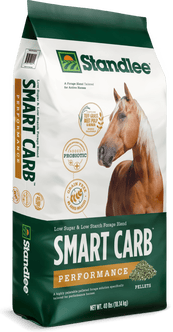
| Smart Carb™ Performance | 8% | Teff/Alfalfa/Beet Pulp forage blend with added fat and probiotics | Horses with higher calorie requirements needing additional calories without excess starch |
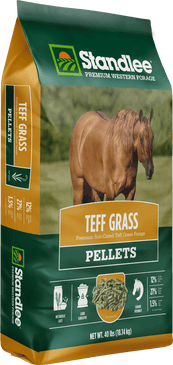
| Teff Grass Pellets | 9% | Lower calorie, low carb forage | Obese horses and horses with EMS, ID, or laminitis history |
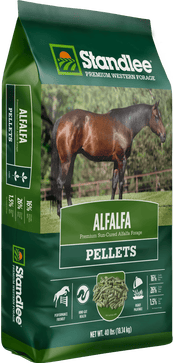
| Alfalfa Pellets | 8% | Higher calorie, low carb forage. Good source of protein and calcium. | Growing horses, performance horses, pregnant and lactating mares, and horses needing additional calories and/or protein |
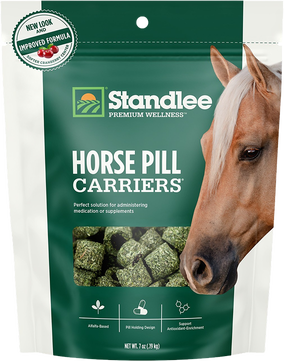
| Horse Pill Carriers | Moderate NSC | Designed for easy medication delivery (i.e. PPID medication) | Horses that are wary of taking their medication |
References
1. Frank, N., & Tadros, E. M. (2014). Insulin dysregulation. Equine Veterinary Journal, 46(1), 103–112.
2. Fitzgerald, D. M., Anderson, S. T., Sillence, M. N., & de Laat, M. A. (2019). The cresty neck score is an independent predictor of insulin dysregulation in ponies. PLoS ONE, 14(7), e0220203.
3. Macon, E. L., Harris, P., McClendon, M., Perron, B., & Adams, A. (2024). Insulin dysregulated horses’ metabolic responses to forage pellets. Journal of Equine Veterinary Science, 133, 104991.
4. Shepherd, M., Harris, P., & Martinson, K. L. (2021). Nutritional considerations when dealing with an obese adult equine. Veterinary Clinics of North America: Equine Practice, 37(1), 111–137.