ADF & NDF Explained: What Do ADF and NDF Values Mean for Your Horse?
Every hay analysis comes back with two numbers that many horse owners skim right past.
Abbreviated as ADF and NDF, Acid Detergent Fiber (ADF) and Neutral Detergent Fiber (NDF) are laboratory measurements of the structural fiber fractions in plant cell walls.
ADF tells you how much energy your horse can actually extract from a forage. NDF tells you how much of that forage your horse will likely voluntarily choose to eat. Get both wrong, and even the best-looking hay can fall short of your horse's needs.
Keep reading to learn what ADF and NDF actually measure, what the science says about their role in equine nutrition, which target ranges apply to different horses, and how to use both values to build a stronger foundation of forage for every horse in your barn.

Join Our Email List Today!
Be the first to get the latest news, promotions, updates and more from Standlee when you join our email list!
By signing up for email, you are agreeing to receive news, offers, and information from Standlee Premium Products, LLC®. You can also visit our Privacy Policy. Easy unsubscribe links are provided in every email.
Key Takeaways
- ADF (Acid Detergent Fiber) measures cellulose and lignin, the hardest-to-digest components of the plant cell wall. Higher ADF means lower digestible energy.
- NDF (Neutral Detergent Fiber) measures the complete plant cell wall, including hemicellulose. Higher NDF is associated with lower voluntary intake and palatability.
- Hemicellulose, the most fermentable structural fiber, equals the difference between NDF and ADF and is critical for hindgut function in horses.
- For most adult horses, target ADF values between 30 and 45% and NDF between 40 and 65% on a dry matter basis. Ideal ranges vary by age, workload, and health status.
- As forages mature at harvest, both ADF and NDF rise. Harvest timing is the single most controllable variable in forage fiber quality.
- ADF and NDF must be read together with crude protein and NSC to fully evaluate whether a forage is the right fit for a specific horse.
What Are ADF and NDF?
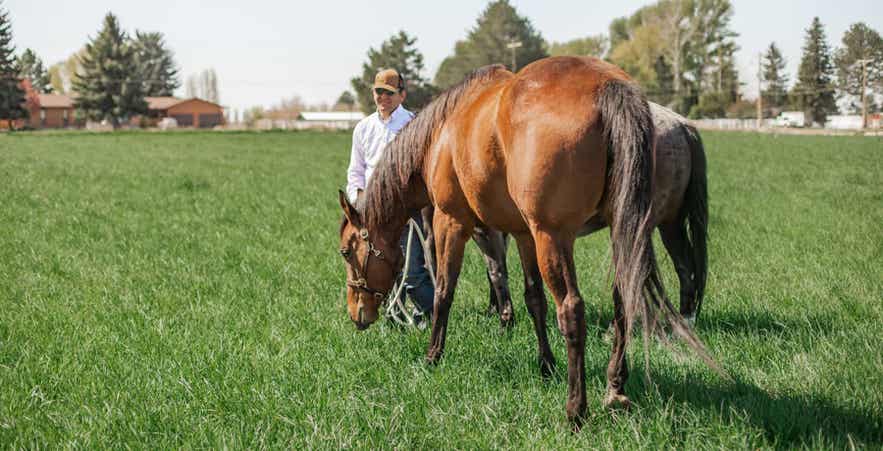
Both ADF and NDF are measurements of fiber content in forages. Fiber refers to the structural carbohydrates that give plant cell walls their shape and rigidity. It is one of the most important components of the equine diet.
The Detergent Fiber System
Dr. Peter Van Soest began developing the detergent fiber system in the early 1960s. He refined it over the following decades to replace the older crude fiber method of measuring fiber content in feed, which could not separate digestible from indigestible plant components. [2]
His approach uses two sequential chemical detergent washes to divide plant material into distinct fiber fractions. Each wash dissolves certain components, leaving behind a residue that represents a specific combination of structural carbohydrates.
Both ADF and NDF are now reported on virtually every commercial hay and forage analysis panel and are fundamental to evaluating forage quality for horses.
ADF: Acid Detergent Fiber
The acid detergent wash dissolves hemicellulose and soluble proteins, leaving behind cellulose and lignin. These are the most structurally resistant and least digestible components of the plant cell wall.
ADF is the primary value equine nutritionists use to estimate Digestible Energy (DE), which reflects the caloric content a horse can realistically absorb from a forage. [1]
As ADF increases, digestible energy decreases. A lower ADF means a more digestible, more calorie-dense forage.
NDF: Neutral Detergent Fiber
The neutral detergent wash leaves the complete plant cell wall intact. It measures cellulose, hemicellulose, and lignin combined. Because it captures more of the cell wall, NDF is always numerically greater than or equal to ADF.
NDF is the primary predictor of voluntary dry matter intake. High-NDF forages create greater physical fill in the digestive tract, slowing the rate at which a horse wants to consume more. [1]
When NDF climbs above 65%, voluntary intake can drop to the point where horses struggle to eat enough hay to meet even basic maintenance energy requirements.
Lower NDF means more palatable, more readily consumed forage. High NDF, used strategically, can help slow intake and reduce calories for easy keepers.
The Three Structural Fibers
Three components make up the building blocks of ADF and NDF:
- Lignin is present in both ADF and NDF and is indigestible in the equine hindgut.
- Cellulose is captured by both ADF and NDF and is partially fermentable by hindgut microbes.
- Hemicellulose is captured by NDF but not ADF and is the most fermentable structural fiber in the equine diet. It equals NDF minus ADF.
Hemicellulose is the most energetically useful structural carbohydrate in the equine diet. It is also the fraction most sensitive to plant maturity.
As grasses and legumes age and produce more lignin for structural support, hemicellulose becomes increasingly cross-linked and resistant to hindgut fermentation. [2]
ADF, NDF, and Forage Digestibility Research
A growing body of equine nutrition research demonstrates that ADF and NDF values reflect real differences in digestibility, energy availability, and hindgut function.
Forage Quality and Diet Composition
Across multiple trials involving 21 saddle horses fed 45 different forages, dry matter digestibility declined consistently as forage quality fell, with declining quality defined by lower crude protein and higher fiber content. [3]
Some horses compensated by eating more as quality declined, while others reduced consumption. That means two horses eating the same hay could have meaningfully different nutritional outcomes, even when the ADF and NDF values both look acceptable on paper.
A study involving mature mares fed low-quality coastal bermudagrass hay found that concentrate fortification did not significantly improve apparent ADF or NDF digestibility when the forage quality was already below recommended thresholds. [6]
Concentrates can help address targeted nutritional gaps, but they cannot substitute for fiber in supporting hindgut function.
Fermentation, VFAs, and the Hindgut
A 2024 study published in Veterinary Medicine and Science compared in vitro digestion across four forages commonly fed to horses.
Researchers found that forages with lower ADF and NDF produced higher concentrations of acetic acid and butyric acid in the fermentation fluid. Those acids are volatile fatty acids (VFAs), the primary energy source produced by hindgut fermentation in horses. [5]
A high-ADF, high-NDF forage does not just provide less digestible energy. It also provides less fermentable substrate for microbial communities that help keep the hindgut stable and productive, potentially compromising hindgut health.
Why Harvest Timing Changes ADF and NDF
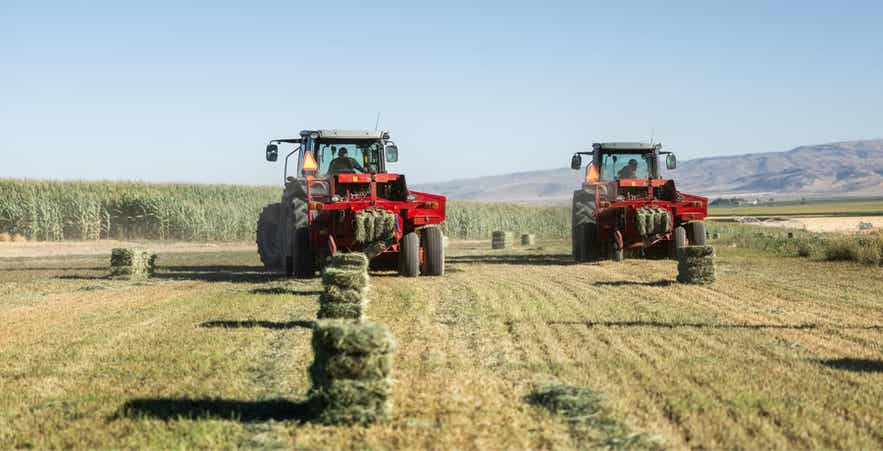
Plant maturity at harvest shapes ADF and NDF values more than any other variable.
As grasses and legumes grow past their peak nutritive window, plant cells produce increasing amounts of lignin to support stem elongation.
Lignin is indigestible, binds progressively to cellulose and hemicellulose as the plant ages, and resists fermentation even by the most active hindgut microbes. The result is a predictable rise in both ADF and NDF, accompanied by a decline in crude protein and digestible energy.
Research confirms this pattern consistently across forage types. However, there is also variability between different species harvested at the same time.
Legume forages like alfalfa typically show higher dry matter digestibility than grass hays cut at comparable growth stages, a difference rooted in lower lignin content and a more favorable leaf-to-stem ratio at equivalent maturity. [1]
For horse owners sourcing baled hay, verifying harvest timing is often impossible. That is a core reason why forage analysis matters. Standlee harvests forages at targeted maturity stages and publishes guaranteed nutritional analyses so customers always know the fiber values of what they're feeding.
Evaluating ADF and NDF on a Hay Analysis
Understanding your hay analysis means knowing which numbers to check first, what ranges to look for, and how each value relates to the others on the page.
Reference Ranges
Target ADF and NDF values on a dry-matter basis vary depending on your horse's individual nutritional needs. Reference ranges can help you determine what is appropriate for your horse. [1]
Performance horses, growing horses, and lactating mares:
- ADF 30–35%
- NDF 40–50%
Adult horses at maintenance:
- ADF 35–45%
- NDF 50–65%
Easy keepers and overweight horses:
- Aim for the upper end of acceptable ranges within these limits
Avoid for any horse:
- ADF above 45% or NDF above 65%
Horses with high energy demands need forage that delivers more digestible energy. Hay with high ADF and NDF may not provide enough.
For easy keepers and horses at maintenance, higher ADF and NDF within the acceptable range provides more physical fill with fewer calories, which is practical for weight management.
Hay with ADF above 45% provides minimal nutritive value, and hay with NDF above 65% risks limiting voluntary intake so much that horses cannot meet basic maintenance requirements, regardless of how much is available to them. [1]
Reading ADF and NDF Together
Use ADF to evaluate energy content. If your horse needs to gain weight, recover from hard work, or meet the elevated demands of pregnancy or lactation, ADF is the first fiber value to check.
Use NDF to evaluate palatability and whether your horse will eat enough hay to meet daily needs. If intake looks unexpectedly low or hay is being left behind, NDF is often a contributing factor.
Pay attention to the math between them. NDF minus ADF equals the hemicellulose fraction, the most fermentable structural carbohydrate, and an important driver of hindgut VFA production.
A wide NDF-minus-ADF gap means more hemicellulose available to hindgut microbes. A narrow gap, where ADF nearly equals NDF, leaves very little for fermentation.
ADF, NDF, and Related Values
Understanding how ADF and NDF connect to other values on your report gives you a more complete picture of forage quality. [4]
Crude Protein (CP): As plant maturity increases, CP falls while ADF and NDF rise. Higher crude protein levels are often associated with higher-quality forage.
NSC (Non-Structural Carbohydrates): Forages lower in NDF tend to be higher in NSC. Horses with insulin resistance, equine metabolic syndrome, or laminitis need low-NSC forage to limit their intake of sugar and starch.
Relative Feed Value (RFV): This composite index uses ADF and NDF to generate a single quality number. Originally designed for ruminant livestock, it is a rough benchmark, not an absolute quality score.
NDFD (NDF Digestibility): An increasingly available and more precise metric, NDFD measures the percentage of the NDF fraction that is actually fermented, not just how much NDF is present.
Why Forage Analysis Matters
Visual inspection is a reasonable starting point. Color, smell, leafiness, and stem-to-leaf ratio can all help horse owners evaluate forage quality. But none of these factors can reveal precise nutritional values.
Two bales from different cuttings of the same field can look nearly identical while differing substantially in fiber fractions. A professional hay analysis is the only reliable way to know what you're actually feeding.
Core samples submitted to a certified forage testing laboratory provide the ADF, NDF, CP, NSC, and mineral values needed to make informed forage decisions.
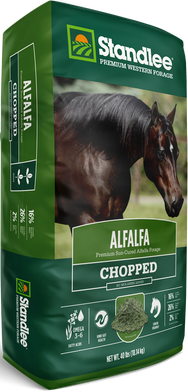
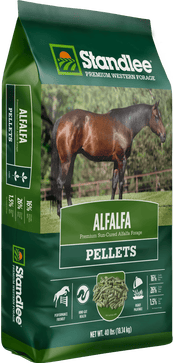
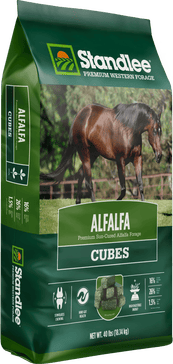
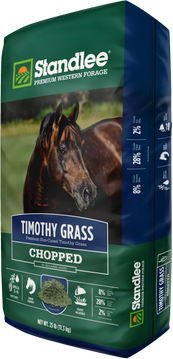
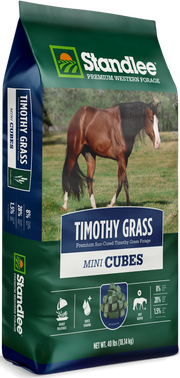
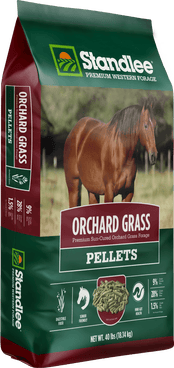
For horse owners using Standlee processed forages, including pellets, cubes, and chopped forage products, guaranteed nutritional analyses are available for every product.
Each Standlee product is produced to consistent specifications and tested so the values on the label accurately reflect what's in the bag, removing the bale-to-bale variability that makes sourcing hay a moving target.
Matching ADF and NDF to Your Horse's Individual Needs
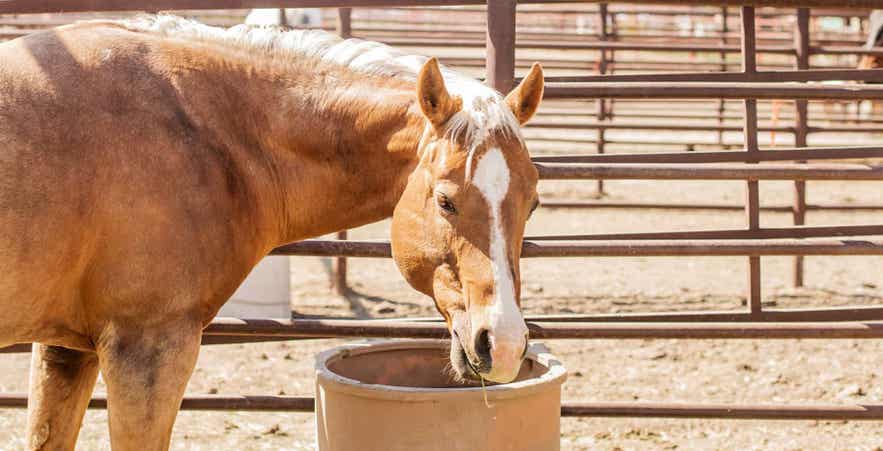
Target fiber values are not one-size-fits-all. The optimal ADF and NDF ranges depend on your horse's energy requirements, metabolic status, and workload.
Performance Horses, Growing Horses, and Lactating Mares
Performance horses, growing horses, and lactating mares have the highest energy requirements. Hay with ADF above 35% and NDF above 50% may not deliver sufficient digestible energy per pound. When high NDF limits voluntary intake, the energy gap compounds.
Prioritize forage with ADF in the 30–35% range and NDF between 40 and 50%. Consider feeding a highly digestible supplemental forage, such as alfalfa pellets or cubes, alongside your primary hay to help meet energy demands.
Easy Keepers, Metabolic Horses, and Horses at Maintenance
For horses prone to weight gain or managing insulin resistance, equine metabolic syndrome, or laminitis, higher ADF and NDF within the acceptable range is often a deliberate management strategy.
Higher fiber content in these forages delivers more physical fill per pound and fewer available calories.
However, even easy keepers need NDF below 65% to sustain adequate intake and meet nutritional baselines. Hay that is too mature can reduce consumption so much that deficiencies develop despite unlimited access.
For metabolic horses, pair the NDF evaluation with an NSC check. Low-NSC, moderate-to-high NDF forage provides the fiber these horses need without excessive sugar and starch load.
What ADF and NDF Really Mean
ADF and NDF are two of the most informative values on any hay analysis report, and among the most underused by the average horse owner.
ADF tells you about energy. As ADF rises, digestible energy falls. NDF tells you about intake. As NDF rises, how much your horse will voluntarily eat decreases. Read together with crude protein and NSC, they reveal whether a forage is suited to your horse's needs.
A strong forage foundation for your horse starts with knowing what's in your hay. Whether you're sourcing local baled hay or selecting from Standlee's full line of premium forages, our nutritional resources and expert team are here to support decisions grounded in real data rather than guesswork.
Use the Standlee Forage Finder® to identify the right forage type and form for your horse's specific situation.
Frequently Asked Questions
What is the difference between ADF and NDF in a hay analysis?
ADF (Acid Detergent Fiber) measures cellulose and lignin, the least digestible cell wall components, and is used to estimate digestible energy content. NDF (Neutral Detergent Fiber) measures the complete cell wall, including hemicellulose, and predicts how much forage a horse will voluntarily consume.
What are ideal ADF and NDF values for horses?
For performance horses, growing horses, and lactating mares, target ADF 30–35% and NDF 40–50% on a dry matter basis. For adult horses at maintenance, ADF 35–45% and NDF 50–65% is generally appropriate. Avoid hay with ADF above 45% or NDF above 65% as a primary forage source for any horse.
Does higher NDF always mean lower quality hay?
Not for every horse. Within the acceptable range, higher NDF produces a more filling, lower-calorie forage that can be beneficial for easy keepers and metabolic horses. For performance horses and those with elevated energy needs, lower NDF is preferred to ensure voluntary intake meets caloric demands.
How does ADF relate to digestible energy in horses?
As ADF increases, estimated digestible energy (DE) decreases. A hay with 30% ADF delivers significantly more usable energy per pound than one at 42%, assuming comparable crude protein content.
Is NDF or ADF a better predictor of forage digestibility?
Both matter, but for different reasons. ADF predicts energy content, while NDF predicts voluntary intake. Research shows that digestibility declines consistently as fiber content rises and crude protein falls. Reading NDF alongside CP gives a more complete assessment of forage quality than ADF alone.
Can ADF and NDF values change between hay cuttings from the same field?
Yes, substantially. As plants mature between cuttings, ADF and NDF both rise as lignin accumulates, meaning an early-cut hay from the same field can have meaningfully lower fiber values than a later cutting. Owners should test each new cutting separately.
Should I soak hay to lower ADF or NDF content?
No. Soaking removes water-soluble carbohydrates and reduces NSC content, which is valuable for metabolic horses. It does not meaningfully change ADF or NDF, which are structural, water-insoluble fiber fractions.
How do I get ADF and NDF values for my horse's hay?
Core-sample 10–20% of the bales in a lot using a hay probe, combine into a single composite sample, and submit to a certified forage testing laboratory. For Standlee processed forages, guaranteed nutritional analyses, including ADF and NDF, are published for every product.
References
- National Research Council. Nutrient Requirements of Horses: 6th Ed. National Academies Press. 2007.
- Van Soest PJ, et al. Methods for dietary fiber, neutral detergent fiber, and nonstarch polysaccharides in relation to animal nutrition. J Dairy Sci. 1991.
- Edouard N, et al. Voluntary intake and digestibility in horses: effect of forage quality with emphasis on individual variability. Animal. 2008.
- Gill JC, et al. Composition factors predicting forage digestibility by horses. J Equine Vet Sci. 2017.
- Çetinkaya N, et al. Comparison of forages' digestion levels for different in vitro digestion techniques in horses. Vet Med Sci. 2024.
- Coverdale JA, et al. Influence of diet fortification on body composition and apparent digestion in mature horses consuming a low-quality forage. Transl Anim Sci. 2020.
Additional Learning Resources
From the Standlee Barn Bulletin Blog
- What Type of Hay Should I Feed My Horse?
- Feeding Beet Pulp to Horses: Benefits, Tips, and Safe Use
- What Is the Difference Between Hay, Straw, and Premium Forage?
- Equine Metabolic Syndrome in Horses: Symptoms, Risks, Diet & Management
From the Standlee Beyond the Barn Podcast
- Ep. 060: The Truth About Horses with Hay Belly
- Ep. 045: Why Skipping a Hay Analysis Could Cost More Money in the Long Run with Sarah Fessenden
From the Standlee Nutritional Papers
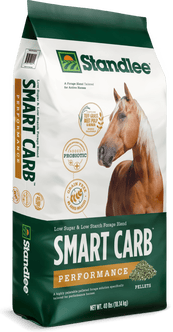
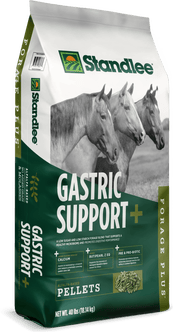
Products featured in this post
Enjoying the Standlee blog?
Subscribe to Standlee emails and get our newest content (and coupons, offers, and other great stuff) sent to your inbox!
Subscribe Now