Fall Horse Care: How to Prepare Your Horse for Cooler Weather
A good fall horse care routine goes beyond pulling blankets out of storage. Changes in pasture availability, forage quality, water intake, workload, and weather can all influence how a horse should be managed throughout the season.
Preparing early gives you time to evaluate your horse’s body condition, review their forage program and address health, barn or pasture needs before winter conditions make those tasks more difficult.
Key Takeaways
- Evaluate your horse’s body condition, forage supply, hydration and winter readiness before cold weather arrives.
- As pasture growth slows, make sure your horse continues to receive adequate high-quality forage.
- Make dietary changes gradually and monitor weight, water intake and overall condition.
- Prepare pastures, barns, water systems and blankets before winter weather arrives.
- Work with your veterinarian, farrier and equine nutrition professional to tailor fall care to your horse.

Join Our Email List Today!
Be the first to get the latest news, promotions, updates and more from Standlee when you join our email list!
By signing up for email, you are agreeing to receive news, offers, and information from Standlee Premium Products, LLC®. You can also visit our Privacy Policy. Easy unsubscribe links are provided in every email.
How Does Fall Weather Affect Horses?
Horses naturally adapt to seasonal changes, but their management needs may also shift as summer gives way to fall.
Shorter daylight hours contribute to the development of a thicker winter coat. Cooler temperatures can change riding schedules, while declining pasture growth may affect how much forage horses receive through grazing. Fall can also bring wet conditions, mud and large temperature swings between day and night.
During this transition, monitor your horse’s body condition, pasture availability, water intake, hoof health, coat condition and workload. It is also a good time to pay closer attention to barn ventilation, footing and pasture conditions.
Not every horse will require major management changes. The goal is to evaluate the individual horse and adjust their routine as needed.
Fall Horse Feeding and Nutrition
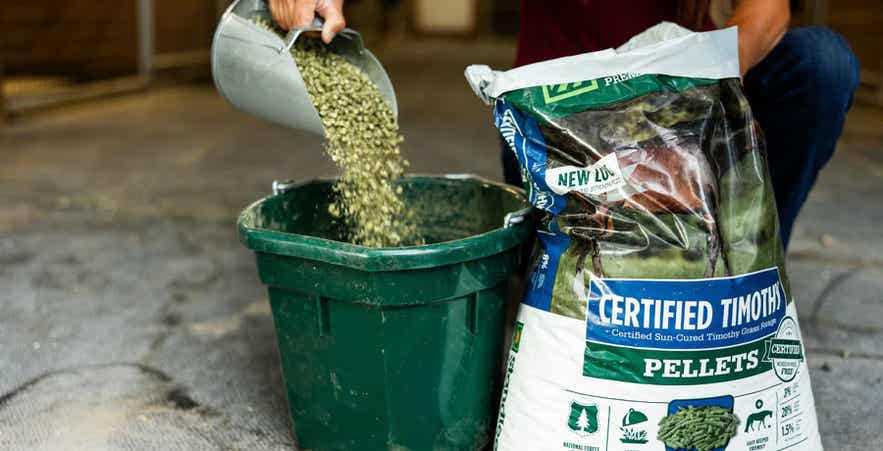
Nutrition is one of the most important parts of preparing a horse for fall.
As pasture conditions change, horses may begin relying more heavily on stored forage. This makes fall a good time to evaluate both the quantity and quality of forage available and determine whether your current feeding program will continue meeting your horse’s needs into winter.
Evaluate Forage Quality and Availability
Premium forage is the nutritional foundation of the equine diet.
During spring and summer, pasture may provide a significant portion of a horse’s daily forage intake. As temperatures cool and plant growth slows, the amount and nutritional composition of available pasture can change.
Before pasture becomes limited, consider how much your horse is still grazing, the quality and amount of hay available, your horse’s body condition, age, workload and any individual nutritional needs.
Planning ahead for winter forage can help maintain greater consistency as pasture availability declines.
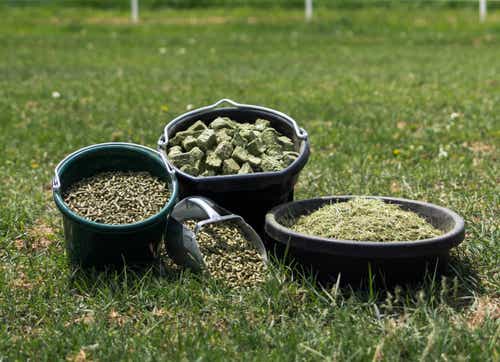
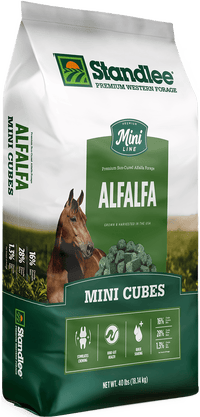
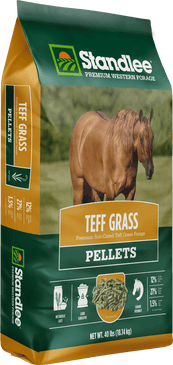
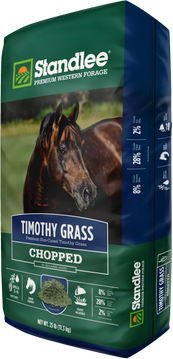
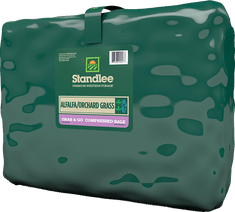
When baled hay is limited, difficult to store or inconsistent in quality, alternative forage formats such as forage pellets, cubes, and chopped forage can provide additional options for incorporating high-quality forage into the diet.
Consider Forage Testing
Appearance alone cannot tell you the full nutritional value of hay.
Forage analysis can provide information about nutrients such as protein, fiber and energy and may help guide decisions about the rest of the feeding program. Testing can be especially useful when managing horses with specific nutritional needs or when making changes to concentrates or supplements in the diet.
If you are unsure how to interpret forage results, an equine nutrition professional or veterinarian can help evaluate them alongside your horse’s complete diet.
Monitor Your Horse’s Body Condition
Fall is an important time to evaluate body condition before winter arrives.
As a horse develops a thicker coat, changes in weight can become more difficult to see. Use your hands as well as your eyes when monitoring areas such as the ribs, topline, neck and hindquarters.
A horse’s nutritional needs depend on factors including body condition, age, workload, health, environment and forage quality. Do not automatically increase grain or concentrate feed simply because temperatures are falling. Instead, monitor the individual horse and adjust the total diet as needed.
Make Feed Changes Gradually
Changing seasons may require adjustments to forage, concentrates or pasture access.
Whenever possible, make dietary changes gradually. If you are transitioning from pasture to stored hay, introducing a new forage product or changing another major component of the diet, allow time for your horse to adjust.
Gradual changes can help support consistency within the digestive system as the feeding program evolves.
Monitor Hydration and Nutrient Needs
Water remains essential even as temperatures cool.
Provide access to clean, fresh water at all times and monitor drinking behavior, especially as temperatures fluctuate. As freezing weather approaches, inspect buckets, troughs and automatic waterers so reliable water access can be maintained.
For horses that benefit from additional moisture in the diet, appropriately soaked hay pellets or cubes can provide another option for incorporating water while feeding forage.
Fall is also a good time to review the complete diet, including forage, concentrates, salt, vitamins and minerals. An equine nutritionist or veterinarian can help identify nutritional gaps or unnecessary duplication.
Common Fall Feeding Mistakes to Avoid
One of the most common mistakes during fall is increasing feed too quickly simply because temperatures are cooler. Not every horse requires more calories, especially if workload is also decreasing.
It is also easy to overlook changes in pasture availability. A pasture may still appear green while providing less forage than it did during active growth. Continue monitoring how much your horse is actually consuming and be prepared to provide additional forage when needed.
Sudden dietary changes should also be avoided whenever possible. Whether changing hay, concentrates or forage formats, gradual transitions are generally preferable. Water intake should remain a priority as well, even when horses are sweating less than they did during summer.
Preparing Pastures and Barns for Fall
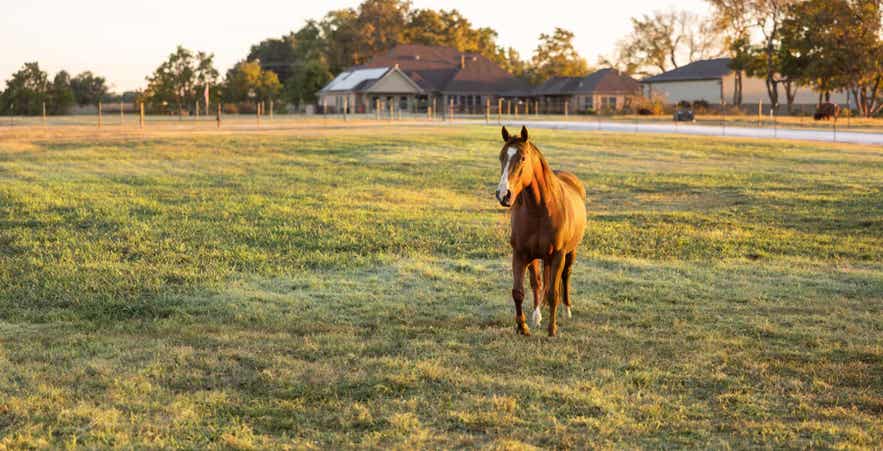
Fall is an ideal time to prepare both the spaces where horses graze and the areas where they may spend more time as weather conditions change.
Fall Pasture Maintenance
As plant growth slows, pasture may become more susceptible to overgrazing and damage. Wet weather can also create muddy areas around gates, feeders and water sources.
Walk pastures and paddocks regularly and look for overgrazed sections, deep ruts, holes, muddy areas, fallen limbs, damaged fencing, loose wire and unsafe gates or latches.
If horses will spend more time in dry lots or smaller paddocks during wet weather, evaluate those areas before heavy winter use begins. Addressing drainage or footing issues early can make winter management easier.
Prepare the Barn for Colder Weather
Horses may spend more time indoors during wet or cold conditions, making fall a good time to inspect stalls and barn systems.
Clean out accumulated debris and dust, address damaged boards or flooring and make sure the barn maintains adequate airflow. Ventilation remains important during cold weather because dust, moisture and ammonia can accumulate in poorly ventilated spaces.
Quality bedding and odor control products like zeolite can be part of a well-managed stall environment.
Fall is also a good time to inspect water systems, organize winter supplies and make repairs before freezing temperatures arrive.
Fall Horse Health and Preventative Care
Seasonal transitions provide a useful reminder to review your horse’s overall health program.
Review Vaccinations and Parasite Management
Vaccination recommendations vary based on geographic location, travel, age, exposure risk and health history.
Work with your veterinarian to determine which vaccines are appropriate for your horse and when they should be administered.
Parasite-control programs should also be individualized. Your veterinarian can help determine how tools such as fecal egg counts may fit into your horse’s management plan.
Monitor Hoof Health
Fall rain and mud can create challenging hoof conditions.
Pick your horse’s hooves regularly and watch for unusual odor, tenderness, cracks, changes in the frog or changes in gait. Continue routine farrier care and address concerns promptly.
Stay Current on Dental Care
Dental health can influence how efficiently a horse chews forage.
Continue routine dental evaluations and watch for signs such as dropping feed, difficulty chewing, weight loss or changes in eating behavior.
Maintaining good dental health becomes particularly important as horses rely more heavily on stored forage during fall and winter.
Exercise and Riding During Fall
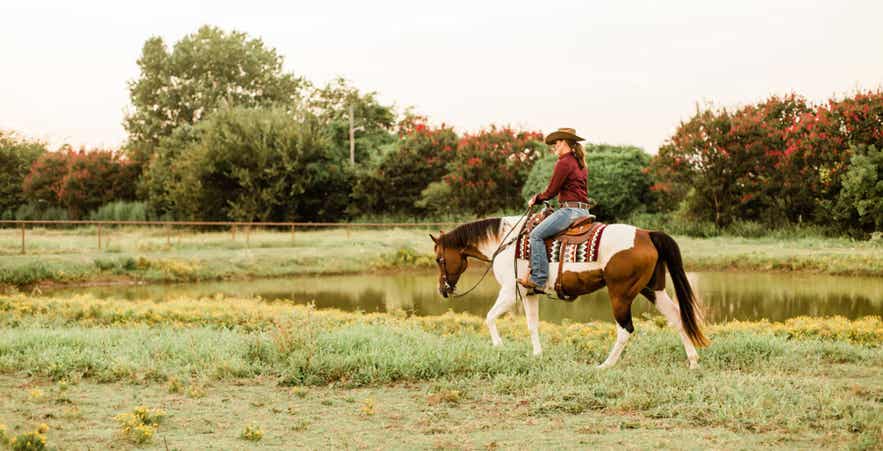
Cooler weather can create comfortable riding conditions, but shorter days and changing footing may require adjustments.
Maintain a workload appropriate for your horse’s fitness, age, discipline and condition rather than automatically reducing exercise because the season has changed.
Allow time for an appropriate warm-up and pay close attention to wet leaves, mud and changing footing — especially when out on the trail. Consider reflective or high-visibility gear when riding in low-light conditions.
If your horse’s workload decreases significantly after the competition or riding season, remember that calorie requirements may also change. Nutrition and exercise should be evaluated together.
Fall Grooming and Winter Coat Care
As daylight hours decrease, horses begin developing their winter coats.
Regular grooming helps remove dirt and loose hair while giving you an opportunity to monitor skin condition, swelling, cuts, mud buildup and body condition.
A thick winter coat can make weight loss harder to recognize, so continue physically checking the ribs, topline and other key areas throughout fall and winter rather than relying on appearance alone.
Should You Blanket Your Horse in the Fall?
There is no single temperature at which every horse needs a blanket.
Blanketing decisions should take into account the horse’s natural coat, body condition, age, health, whether they are clipped, access to shelter and current wind and precipitation.
Healthy horses with appropriate body condition, adequate forage, a full winter coat and access to shelter may have different needs than clipped horses, older horses or horses with certain health concerns.
If you plan to blanket, inspect blankets before cold weather arrives. Check for tears, broken straps, damaged hardware, waterproofing issues and poor fit.
If your horse has never worn a blanket, introduce it gradually in a safe environment. Positive reinforcement, including appropriate horse treats, can help create a positive experience.
Fall Horse Care Checklist
Before winter arrives:
- Evaluate your horse’s body condition
- Review pasture and forage availability
- Prepare your winter forage supply
- Monitor water intake
- Make feed changes gradually
- Inspect fencing, gates and muddy areas
- Prepare stalls and water systems
- Review preventative care with your veterinarian
- Maintain hoof and dental care
- Inspect blankets and winter supplies
Build a Strong Forage Foundation™ for Fall and Winter
Fall horse care is ultimately about preparing before winter creates additional challenges.
While every horse has different nutritional, health and management needs, forage remains a consistent part of the equation.
As pasture availability changes, evaluate the forage your horse is receiving, monitor body condition and make thoughtful adjustments based on the complete diet. Planning ahead can help maintain greater consistency as horses transition from summer pasture into winter feeding programs.
Standlee has been Built on a Forage Foundation since 1981. For more than four decades, forage hasn’t been one part of what we do; it has been our focus. We grow it, harvest it, process it, and package it with an understanding of how quality in the field carries through to the feed room. That depth of experience gives Standlee a level of forage expertise built through every step of the process, helping horse owners provide a consistent, high-quality nutritional foundation through every season.
Learn More About Forage Foundation
Frequently Asked Questions About Fall Horse Care
Does my horse need more feed in the fall?
Not necessarily. Nutritional needs depend on body condition, workload, environment, forage quality and other individual factors. Monitor your horse rather than automatically increasing concentrates when temperatures decrease.
Do horses need more hay when it gets cold?
Adequate forage is especially important during cold weather. A horse’s total forage and energy needs will depend on body condition, environment and the rest of the diet. Work with an equine nutrition professional or veterinarian when determining individual requirements.
How can I keep my horse hydrated in cooler weather?
Provide constant access to clean, fresh water and monitor drinking behavior. Prepare water systems before freezing conditions arrive. Appropriately soaked forage products may also help add moisture to the diet for some horses.
Should I blanket my horse in the fall?
Blanketing should be based on the individual horse and weather conditions. Consider coat length, clipping, body condition, age, health, shelter, wind and precipitation rather than relying on temperature alone.
When should I start preparing my horse for winter?
Fall is the ideal time to begin. Review forage supplies, body condition, water systems, blankets, health care and barn or pasture maintenance before consistently cold weather arrives.
Additional Learning Resources
From the Standlee Barn Bulletin Blog
- Winter Horse Care Guide and Essential Cold-Weather Tips
- Forage Strategies for Preventing Winter Weight Loss in Horses
- Common Misconceptions on Winter Horse Feeding Myths
From the Standlee Beyond the Barn Podcast
Products featured in this post
Enjoying the Standlee blog?
Subscribe to Standlee emails and get our newest content (and coupons, offers, and other great stuff) sent to your inbox!
Subscribe Now