Equine Dental Disease Guide: Types, Signs, and Feeding Strategies
The health of your horse's teeth directly determines how well they can process feed, absorb nutrients, and maintain body condition.
Equine dental disease is a collective term for pathological conditions affecting the teeth and surrounding oral structures of the horse. Though commonly underdiagnosed, these conditions rank among the most prevalent health conditions in domestic horses.
Horses have hypsodont teeth that continuously erupt and a rotary chewing motion adapted for processing rough forage. That anatomy creates specific disease risks as crown height decreases and occlusal surfaces shift with age.
Keep reading to learn about the most common types of equine dental disease, how to recognize early warning signs, what a thorough dental evaluation involves, how conditions are treated, and the importance of selecting the right forage form for horses with dental disease.
Key Takeaways
- The most common dental conditions in horses are periodontal disease, diastemata, dental overgrowths, equine odontoclastic tooth resorption and hypercementosis (EOTRH), and infundibular caries.
- Clinical signs are often subtle and may include quidding, unexplained weight loss, resistance to the bit, and undigested stems in the manure.
- Diagnosis requires sedation and a full-mouth speculum for thorough examination. Radiography is essential for the evaluation of EOTRH and periapical disease.
- Annual dental exams are the recommended minimum for most horses. Horses over 15 or with known pathology benefit from biannual evaluation.
- Forage form matters when chewing capacity is reduced. Feeding soaked pellets, hay cubes, and chopped forage can help maintain the forage foundation of the diet.
- Body condition monitoring is essential for any horse with dental disease. Work with a veterinarian and equine nutritionist to adjust the diet if body condition declines.

Join Our Email List Today!
Be the first to get the latest news, promotions, updates and more from Standlee when you join our email list!
By signing up for email, you are agreeing to receive news, offers, and information from Standlee Premium Products, LLC®. You can also visit our Privacy Policy. Easy unsubscribe links are provided in every email.
What Is Equine Dental Disease?
Equine dental disease describes any pathological condition affecting the teeth, their supporting structures, or the surrounding oral tissues of a horse.
These conditions are not the same as routine dental wear. Dental disease results from a breakdown in the normal relationship between tooth structure, attachment tissues, and the oral environment.
Horses have hypsodont teeth that erupt continuously throughout their lives, wearing at approximately 2–3 mm per year during normal mastication. This eruption pattern evolved to handle abrasive forages, but it also creates vulnerabilities as the horse ages.
As crown height decreases, gaps form between adjacent cheek teeth, occlusal surfaces change shape, and maintaining a healthy oral environment becomes progressively harder. [1]
How Common Is Dental Disease in Horses?
A retrospective study of 932 horses found active periodontal disease in 13.9%, diastemata in 8.7%, and peripheral caries in 8.2%, with age a significant risk factor for both periodontal disease and diastemata. [2]
Studies using more comprehensive examination methods have reported periodontitis in up to 75% of some horse populations. [3]
These figures likely understate the real prevalence. Many horses receive dental attention only when owners notice a problem, and subclinical disease is especially common in conditions like EOTRH, where radiographic changes appear months or years before any visible clinical signs.
Types of Equine Dental Disease
Equine dental disease takes several distinct forms, each with its own cause, clinical presentation, and implications for management.
Periodontal Disease
Periodontal disease is the most prevalent dental condition diagnosed in horses. It involves inflammation and progressive destruction of the structures that anchor the tooth in the jaw. These include the gingiva, periodontal ligament, cementum, and alveolar bone.
The most common trigger is food impaction in diastemata, abnormal gaps that develop between adjacent cheek teeth. Decomposing trapped feed promotes bacterial colonization of the gingival sulcus, the tiny crevice between the tooth and gum tissue.
These bacteria drive progressive tissue destruction that can lead to deep periodontal pockets, gingival recession, tooth mobility, and eventual tooth loss. [3]
Diastemata and periodontal disease rarely occur independently. One study found that horses with diastemata had more than four times the odds of concurrent periodontal disease, with age as a significant risk factor for both conditions. [2]
Widening gaps trap more feed, produce deeper pockets, and sustain more bacterial activity.
Subtle behavioral changes are often the first detectable sign of this painful condition.
Dental Overgrowths and Malocclusions
Horses chew in a rotary, side-to-side motion. When the upper and lower arcades do not meet symmetrically, wear becomes uneven.
Over time, that uneven wear produces a range of overgrowths. These include hooks at the rostral or caudal ends of the cheek tooth row, ramps, or waves along the entire dental arcade. In severe cases, these abnormalities can prevent normal jaw movement. [1]
Sharp enamel points on the outer edges of the upper cheek teeth and the inner edges of the lower cheek teeth can also lacerate the cheek and tongue, creating ulcers that make normal chewing painful.
Malocclusions are misalignments between the upper and lower teeth. Skull conformation and dental arcade alignment influence which horses are most likely to develop significant wear abnormalities over time. [4]
Equine Odontoclastic Tooth Resorption and Hypercementosis (EOTRH)
EOTRH is a progressive, painful, and incompletely understood condition that primarily affects the incisor and canine teeth of older horses.
This condition is characterized by simultaneous active resorption of tooth structure by odontoclasts and abnormal proliferation of cementum (hypercementosis) as the body attempts to stabilize the dissolving teeth.
The condition is significantly underdiagnosed without imaging. A retrospective analysis of 838 equine dental patients at the University of Zurich found clinical evidence of EOTRH in 10.1% of horses, predominantly in middle-aged to older animals. [5]
A radiological classification study confirmed that early lesions are detectable on incisor radiographs in horses with clinically normal-appearing teeth, reinforcing that clinical examination alone cannot rule out EOTRH. [6]
Yet some research suggests even standard X-ray evaluation may underestimate the extent of disease. In 2025, a micro-CT study found structural changes in EOTRH-affected teeth that were not visible on conventional radiographs. [7]
Clinically, EOTRH presents as bulbous gingival swelling around the incisor roots, gingival recession, fistulae (small draining tracts), and tooth fractures. Affected horses often resist the bit, avoid facial contact, or struggle to grasp feed.
For severely affected teeth, extraction is the only effective treatment. Most horses return to comfortable eating with appropriate post-extraction dietary management. [8]
Infundibular Caries and Pulpitis
The upper cheek teeth of horses contain deep enamel folds called infundibula. These structures normally fill with cementum during development, but incomplete cemental filling (hypoplasia) is common.
When an infundibulum with a cemental defect reaches the occlusal surface through normal wear, food debris accumulates, and the tooth becomes susceptible to caries, commonly known as dental decay or cavities.
A UK epidemiological survey identified infundibular caries as a clinically significant disorder. This type of cavity is capable of causing premature wear, abscesses, and tooth fracture in affected maxillary cheek teeth. [9]
A long-term study of 486 fractured cheek teeth in 300 horses found infundibular caries as a contributing factor in a substantial proportion of non-traumatic maxillary fractures, with approximately half of those fractured teeth showing no clinical signs at the time of detection. [10]
Caries progresses from the occlusal surface downward. Mild cases may respond to restorative techniques. Advanced caries that reach the pulp chamber (pulpitis) require extraction.
Sinus Disease
The roots of the upper cheek teeth sit in close anatomical proximity to the paranasal sinuses, particularly the caudal maxillary sinus. Periapical infection, an infection located at the tip of the tooth's root, can spread directly into the adjacent sinus, producing secondary sinusitis.
Unilateral nasal discharge, especially if foul-smelling, should prompt a dental evaluation, including skull radiographs to exclude a dental origin, before other causes are investigated.
Recognizing Signs of Equine Dental Disease
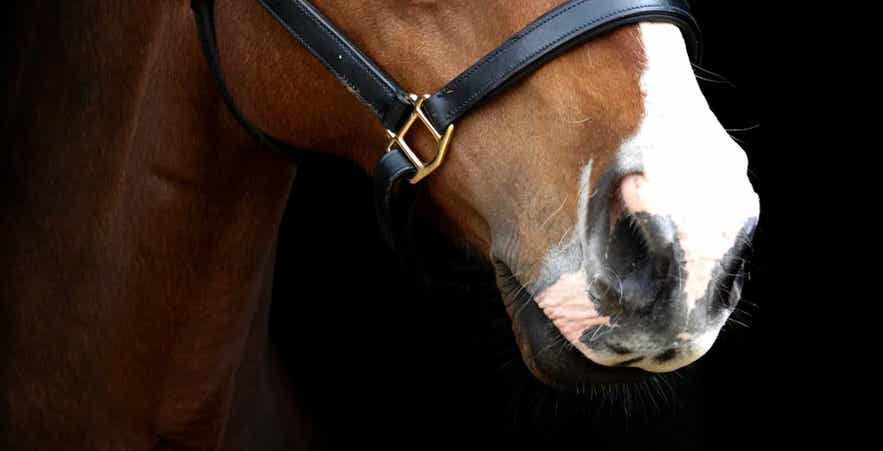
Most signs of dental disease in horses are subtle, develop gradually, and are easily attributed to training problems, management issues, or normal aging.
Behavioral Signs
Resistance to the bit, head tossing, and reluctance to accept rein contact are among the most commonly reported behavioral indicators of oral pain. These signs frequently prompt training interventions before a dental cause is ruled out.
Reluctance to eat, slow eating, or a shift toward softer feeds can also signal that chewing has become uncomfortable.
Facial sensitivity, where a horse pulls away when the jaw or cheek is touched, can reflect periodontal pockets, overgrowths, or EOTRH. This sensitivity can also present as irritability during bridling or grooming of the head.
Physical and Observable Signs
Quidding is a reliable physical indicator of dental compromise. A horse that quids drops partially chewed balls of feed from the mouth because it cannot process and swallow the material.
Long, undigested hay or grass stems in the manure may reflect feed passing through the hindgut without adequate breakdown and fermentation due to poor chewing.
Additional physical signs include excessive salivation, bad breath from bacterial activity or impacted feed in diseased tissue, unilateral nasal discharge, and swelling along the mandible or cheek.
Body Condition and Weight Loss
Dental disease is a well-documented cause of weight loss in horses, particularly in those over 10 years old.
When chewing is inadequate, feed reaches the hindgut in particles too large for efficient fermentation. Caloric and nutrient extraction fall, and body condition declines even when feed intake appears sufficient.
Unexplained weight loss in a middle-aged or older horse should include dental examination as part of the initial workup. Horses navigating both dental conditions and the broader nutritional demands of aging often need a more tailored approach.
Standlee's Complete Guide to Feeding Senior Horses covers how to manage forage type, form, and quantity as horses age.
Diagnosing Equine Dental Disease
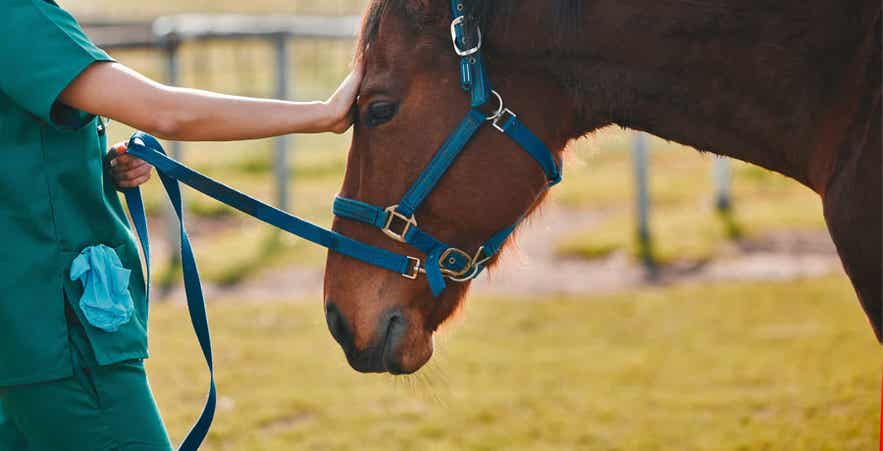
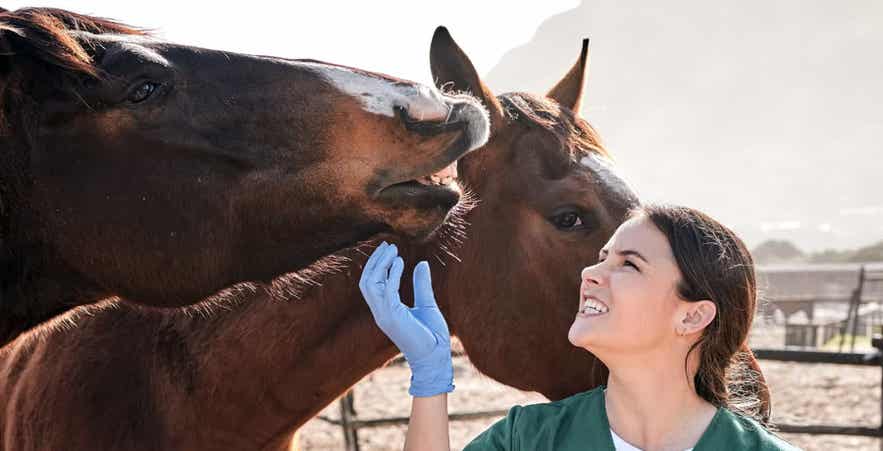
A thorough equine dental examination requires sedation and a full-mouth speculum that holds the jaws open, allowing complete visualization of all cheek tooth surfaces and the gingival margins between them.
Unsedated exams can miss significant pathology, particularly in the caudal cheek teeth and at interproximal sites where periodontal disease and diastemata most commonly develop.
A complete oral exam includes dental mirrors, periodontal probes to measure pocket depth and assess tissue attachment, picks to clear food impaction from interproximal spaces, and, in more specialized practices, an oral endoscope.
Radiography is essential for staging EOTRH, periapical disease, infundibular caries, and dental-origin sinusitis. X-rays reveal changes in alveolar bone, periodontal ligament space, and tooth root structure that visual examination cannot detect. [6]
An annual dental examination is the recommended minimum for most horses. Horses over 15, those with known dental pathology, and those showing any of the clinical signs described above benefit from biannual evaluation.
Treatment of Equine Dental Disease
Treatment depends on the condition, its severity, and the degree of tissue loss at the time of diagnosis. Most dental conditions in horses respond better to early intervention, and several can be effectively managed when detected before significant structural damage has occurred.
Dental Floating
Floating is the filing or rasping of sharp enamel points and overgrowths to restore a more functional occlusal surface. It removes the edges that cause soft tissue trauma, improves lateral jaw movement, and reduces the pain that discourages normal chewing.
Routine floating is a maintenance procedure. Pathological overgrowths and malocclusions require more thorough work to rebalance teeth. All dental procedures should be performed by a licensed equine veterinarian or board-certified veterinary dentist.
Periodontal Treatment
Periodontal treatment addresses the source of infection, which is often food-packed diastemata.
Techniques include mechanical widening of pathological gaps to prevent feed impaction, lavage of periodontal pockets, debridement of necrotic tissue, and topical antimicrobial application in advanced cases.
Prognosis depends on disease severity and the extent of attachment tissue remaining at the time of intervention.
Tooth Extraction
Extraction is indicated for fractured, severely carious, or EOTRH-affected teeth that are non-functional or causing persistent pain.
Minimally invasive oral extraction techniques carry better outcomes than older methods and allow faster recovery. Post-extraction dietary modification, particularly the introduction of softened forage forms, is essential during healing.
Feeding Horses with Dental Disease
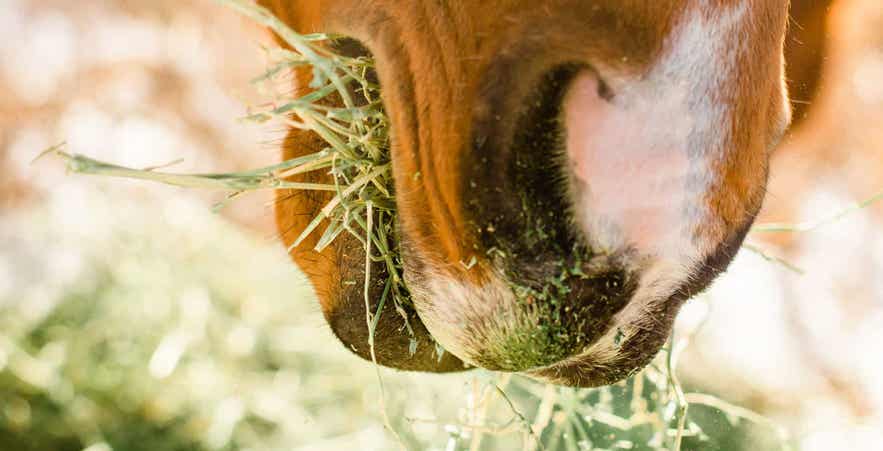
When dental disease limits chewing capacity, forage form becomes as important as forage quality. All horses require a minimum of 1.5% of their body weight in forage dry matter daily to support hindgut health, gut motility, and gastric acid buffering.
Choosing the Right Forage Form
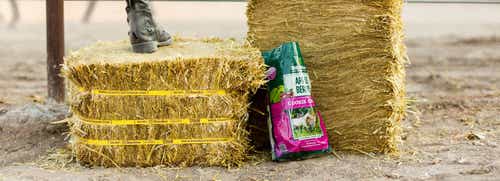
Long-stem hay requires significant molar function to reduce to a particle size suitable for hindgut fermentation. Horses with periodontal disease, significant overgrowths, missing molars, or post-extraction healing often cannot adequately process conventional hay.
Several alternative forage formats reduce chewing demand without removing forage from the diet.
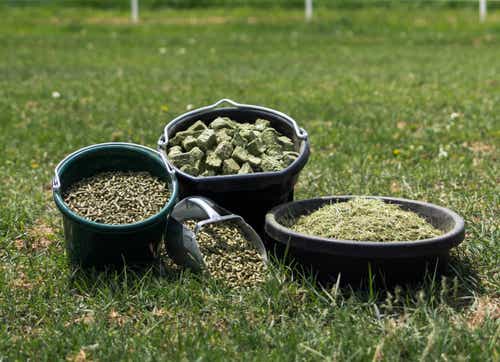
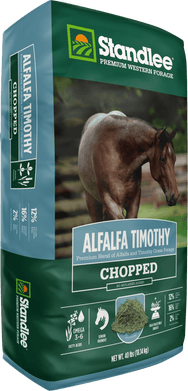
Chopped forage cuts stems to approximately 2 to 4 inches, reducing the chewing effort needed per mouthful while preserving visible fiber structure. It works well for horses with mild to moderate dental limitations and can be blended into existing rations to ease the transition from long-stem hay.
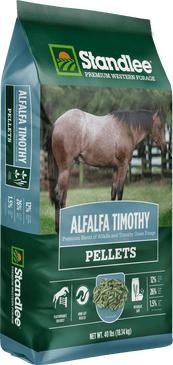
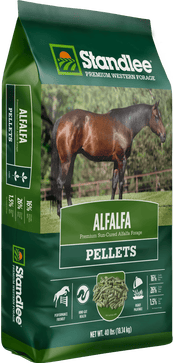
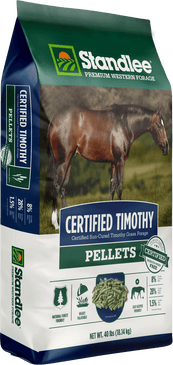
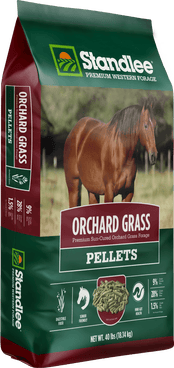
Forage pellets are ground and pressed into a small, uniform format that softens into a manageable mash when soaked.
Research comparing long-stem alfalfa hay to alfalfa pellets has found no meaningful differences in digestibility for energy, protein, fiber, or key minerals, confirming that high-quality forage pellets deliver equivalent nutrition when fed at appropriate rates.
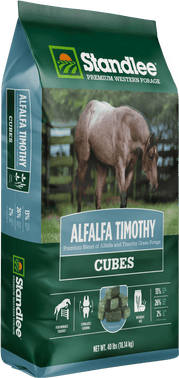
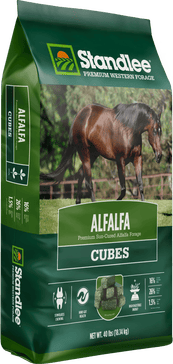
Forage cubes fall between pellets and long-stem hay. Fed dry, they require good molar function. Soaked, they provide a soft, manageable meal that horses with significant dental limitations can typically handle well.
Cubes also offer a practical option for maintaining the forage foundation when long-stem hay supply is limited or quality is inconsistent.
Soaking Forage
Soaking hay cubes or pellets (approximately 2 parts water to 1 part product, for 30 minutes or until fully softened) converts a standard forage product into a mash that requires minimal chewing.
For horses with significant dental pathology, soaking is often essential for promoting adequate forage intake.
Soaked forage also supports hydration, which is especially important in older horses, and reduces the risk of choke in horses that eat quickly.
Monitoring Body Condition
Track body condition using the Henneke scale and assess it regularly. A score below 4 out of 9 in a horse with dental compromise signals that the current feeding plan is not meeting caloric needs.
Adjustments may include smaller, more frequent meals, transitioning to a higher-calorie forage, or adding a highly digestible fiber source like beet pulp to support both caloric density and hindgut health without adding significant chewing demand.
Preventing Equine Dental Disease
Regular veterinary dental examination is essential for prevention. Annual or biannual exams allow early identification of overgrowths, periodontal pocketing, and subclinical EOTRH before these conditions cause significant pain, tissue loss, or systemic complications.
Between professional exams, owners are the first line of detection. Learning what your horse's mouth normally looks like, observing eating behavior, checking manure for undigested fiber, and scoring body condition monthly can also help catch early signs of dental disease.
Breed and conformation affect risk. Horses with compact skulls and shorter jaw length tend to develop diastemata earlier and more severely. Studies also show Warmblood and Thoroughbred breeds are overrepresented in EOTRH cases. [5]
Managing Equine Dental Disease
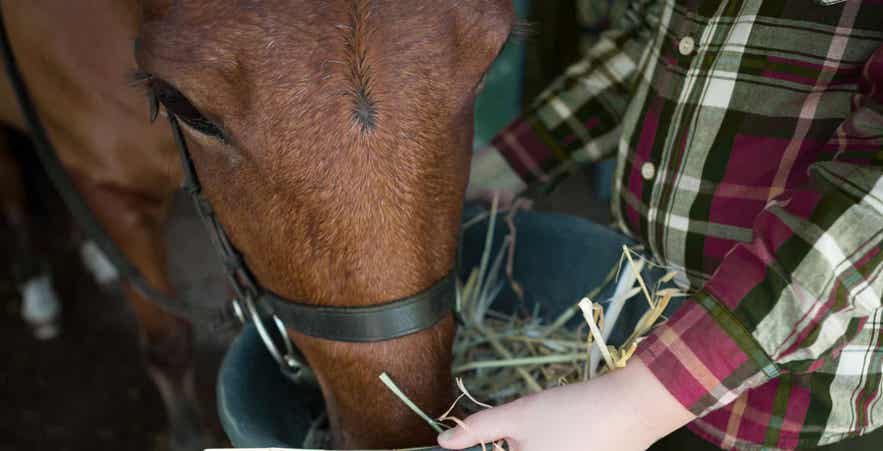
Equine dental disease spans a wide spectrum, from periodontal disease and malocclusions to EOTRH and infundibular caries. Most conditions worsen with age, and many are subclinical until they have already progressed significantly.
Regular dental examination, early veterinary intervention, and an owner who knows the warning signs offer the most reliable protection against long-term consequences.
For horses managing dental conditions, the forage foundation of the diet is still essential. Soaked cubes, forage pellets, and chopped hay are practical options that allow horses with reduced chewing capacity to meet their forage requirements and maintain condition.
Standlee's range of forage formats are designed to support horses at every life stage and with varying dental needs. Use the Forage Finder to match your horse to the right product, and work with your veterinarian and equine nutritionist to build a feeding plan that protects both gut health and dental health over the long term.
Frequently Asked Questions
How often should a horse's teeth be floated?
Most horses benefit from dental examination and floating at least once per year. Horses over 15, those with known dental pathology, or those showing signs of oral discomfort may need evaluation every six months.
Can dental disease cause weight loss in horses?
Yes. Dental disease is among the most common causes of unexplained weight loss in horses, particularly those over 10 years old. Reduced chewing efficiency impairs digestion and hindgut fermentation, limiting caloric and nutrient absorption.
What are the signs of EOTRH in horses?
Early signs include gingival swelling at the base of the incisors, sensitivity when the muzzle or lower jaw is touched, and reluctance to accept the bit. As the condition advances, owners may notice bulbous thickening at the tooth roots, gingival recession, fistulae (small draining tracts along the gumline), tooth fractures, and difficulty grasping feed.
What can horses with dental disease eat?
Horses with dental disease still need a forage-based diet, even if they cannot manage long-stem hay. Soaked hay cubes, forage pellets made into a mash, and chopped forage are all suitable formats that reduce chewing demand without removing forage from the diet.
Is equine dental disease painful?
Yes. Most forms of equine dental disease involve significant pain, even when horses do not show obvious signs. Horses are stoic and tend to mask pain effectively, which is why behavioral and physical signs often represent the only early warning available to owners.
Can dental disease in horses be cured?
It depends on the condition. Periodontal disease can often be managed, and floating can improve tooth balance, but severely affected attachment tissue does not regenerate. Early diagnosis consistently improves long-term outcomes across all conditions.
Does forage type affect a horse's dental health?
Forage type and particle length affect occlusal wear patterns. Horses consuming coarser, more abrasive forages tend to develop more even wear surfaces over time. Diets high in concentrates have been associated with higher rates of some dental conditions, including infundibular caries.
When should I call a vet about my horse's dental health?
Contact your veterinarian if you observe quidding, long hay stems in the manure, unexplained weight loss, foul breath, swelling along the jaw or cheek, unilateral nasal discharge, head shyness, or bit resistance without a clear training explanation.
References
- Dixon PM, Dacre I. A review of equine dental disorders. Vet J. 2005.
- Nuttall HE, Ravenhill PJ. Prevalence and analysis of equine periodontal disease, diastemata and peripheral caries in a first-opinion horse population in the UK. Vet J. 2019.
- Occhiogrosso L, et al. Bacterial periodontitis in horses: an epidemiological study in southern Italy. Animals (Basel). 2023.
- Liuti T, et al. Studies on age-related changes in equine cheek teeth angulation and dental drift. Front Vet Sci. 2022.
- Igel P, et al. The prevalence of equine odontoclastic tooth resorption and hypercementosis and the role of interincisal angulation in disease severity in a representative cohort of horses in Switzerland. Schweiz Arch Tierheilkd. 2023.
- Rehrl S, et al. Equine odontoclastic tooth resorption and hypercementosis: investigating individual incisor disease patterns using radiological classification. Equine Vet J. 2023.
- Nugent Z, et al. Characterisation of equine odontoclastic tooth resorption and hypercementosis: a comparative study using microCT and radiography in age-matched controls. Equine Vet J. 2025.
- Limone LE. Update on equine odontoclastic tooth resorption and hypercementosis. Vet Clin North Am Equine Pract. 2020.
- Borkent D, et al. Epidemiological survey on equine cheek tooth infundibular caries in the United Kingdom. Vet Rec. 2017.
- Dixon PM, et al. Equine ‘idiopathic’ and infundibular caries-related cheek teeth fractures: a long-term study of 486 fractured teeth in 300 horses. Front Vet Sci. 2021.
Additional Learning Resources
From the Standlee Barn Bulletin Blog
- Feeding Senior Horses: Complete Guide to Senior Horse Nutrition
- Chopped Forage for Horses: Benefits, Uses, and How to Feed
- Forage Pellets for Horses: What They Are & How to Feed
- Rehabilitating a Starved Horse: A Safe, Forage-Based Approach to Weight Gain and Recovery
From the Standlee Beyond the Barn Podcast
- Ep. 029: How to Feed a Senior Horse and When They Need to Be Fed Differently
- Ep. 026: What Format of Hay Should I Feed My Horse and Why Does It Matter?
From the Standlee Nutritional Papers
Products featured in this post


Enjoying the Standlee blog?
Subscribe to Standlee emails and get our newest content (and coupons, offers, and other great stuff) sent to your inbox!
Subscribe Now