What Makes High-Quality Forage? A Hay Buyer’s Guide
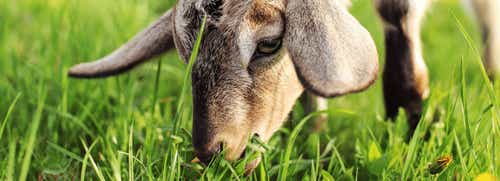
For horses, cattle, and other grazing or browsing livestock like goats, there’s no question that fresh pasture is the gold standard. Natural grasses and legumes like alfalfa provide animals with the moisture, fiber, and nutrients they’re designed to thrive on. But in the real world, pasture isn’t always available or reliable.
Across much of the American West, limited water, unpredictable weather, and challenging growing conditions can make consistent grazing difficult. Even in areas with strong rainfall, quality pastureland is increasingly expensive and harder to access than it once was. As a result, many livestock owners must rely on stored forage to fully, or partially, meet their animals’ nutritional needs.
That’s where choosing the right hay becomes essential. But not all forage is created equal. From color and texture to aroma, leaf retention, and consistency, quality hay has clear indicators that can make a real difference in your animals’ health, performance, and overall condition. In this guide, we’ll walk through what to look for so you can buy hay with confidence and feed with peace of mind.
What is Forage?
Forage includes grasses and legumes fed to horses and livestock, whether grazed fresh or harvested as hay. Forage is the foundation of nutrition for grazing animals. Horses, cattle, goats, sheep, and other livestock are designed to eat plant-based feeds like grasses and legumes as the primary part of their daily diet. Technically, the term forage includes nearly anything grazing animals consume, such as pasture grasses, legumes, and harvested hay varieties like timothy, orchard grass, teff, oat grass, and alfalfa.
In everyday feeding programs, forage typically refers to farm-grown, harvested feed used to provide consistent nutrition when pasture is limited, unavailable, or seasonal. Because access to quality grazing isn’t always reliable, feeding stored forage is often essential to support digestive function, body condition, and overall animal well-being.
Forage generally falls into two main categories: dry forage and wet forage.
Dry Forage
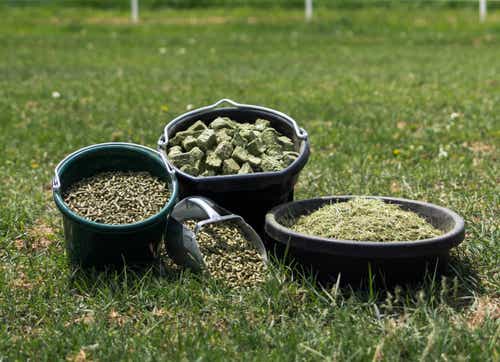
Dry forage includes grasses, legumes, and small grains that have been harvested and dried to reduce moisture content. Traditional baled hay is the most common form, typically dried to under 20% moisture (often between 10% and 18%). Dry forage can also be processed into convenient formats like chopped forage, pellets, or cubes - options that help support consistent intake and can be especially useful for animals that need easy-to-feed alternatives.
Wet Forage
Wet forage refers primarily to fresh pasture grasses and legumes that are grazed directly. Pasture is naturally high in moisture, often containing 75–80% water depending on growing conditions. In cattle and dairy feeding programs, wet forage may also include fermented feeds like silage or haylage, which are stored at higher moisture levels to preserve nutrients. These feeds are generally not recommended for horses without careful management due to the risk of spoilage, mold, or botulism.
In certain cases, soaking dry forage products like cubes or pellets can also be helpful, particularly for senior animals or those with dental challenges - though any significant feeding change should be made gradually and with guidance from a veterinarian.
Attributes and Benefits of High-Quality, Commercially Produced Forage
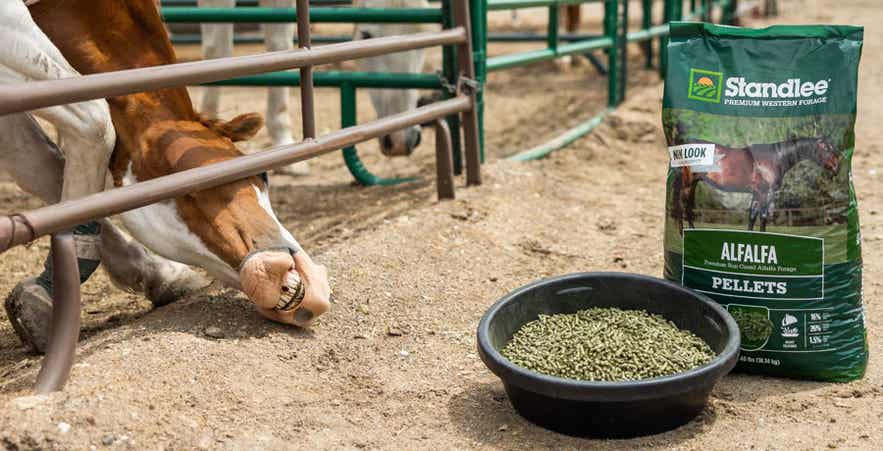
When free grazing on healthy pasture isn’t possible, dry forage is often the next best option. When selected carefully and fed appropriately for your animal’s needs, high-quality hay can provide consistent nutrition, support digestive health, and help maintain overall condition year-round. Let’s take a closer look at the benefits of feeding premium forage.
Consistency
All horses benefit from a consistent diet, and sudden feed changes can lead to digestive upset and other health concerns. That’s why a regular feeding program built around high-quality forage is so important for supporting steady digestion, body condition, and overall well-being. However, the nutrient content and quality of hay can vary widely depending on weather patterns, growing conditions, harvest timing, humidity, and storage practices. Choosing forage backed by a consistent vertical integration system, or “seed-to-feed” process where quality is managed from the field through harvest and packaging, helps take the guesswork out of feeding and provides dependable nutrition you can count on year-round.
Availability
When local hay supplies tighten due to weather, low yields, or increased regional demand, finding quality forage can become a challenge. Premium commercial forage helps bridge that gap by offering more reliable availability across more locations and seasons, making it easier to keep your feeding program consistent, even when local supply is unpredictable.
Nutrition and Supplementation
When it comes to feeding horses, quality forage isn’t just about what the bale looks like, it’s about what went into producing it. The best forage starts long before harvest, with the right growing conditions, careful crop management, and cutting at the ideal stage of maturity to support nutrient value and palatability. Quality-focused forage producers also rely on testing and strict standards to help ensure the final product delivers dependable nutrition. That attention to detail matters because consistency is key for horses. High-quality commercially produced forage is harvested, handled, and packaged to help provide a more uniform product from lot to lot - not only in format, but also in important nutritional components like fiber, protein, and energy. This makes it easier for horse owners to build a feeding program they can trust, whether they’re supporting everyday body condition or feeding for higher performance demands.
When feeding a grain-free diet, it is important to incorporate a ration balancer or additional source of vitamins and minerals, as forage alone may not meet their needs alone. In some cases, forage-based products may also include added nutritional support such as vitamins, probiotics, or minerals to help meet specific needs. These products are referenced as “fortified”. When used appropriately, and with guidance from a veterinarian or equine nutritionist, these enhanced options can be a helpful tool for horses that require additional digestive or nutritional support.
Variety
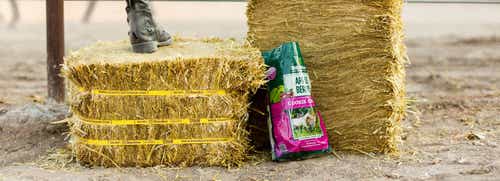
High-quality forage gives horse owners more flexibility to feed the way their horses need. Premium producers often offer multiple forage types and formats making it easier to match the right option to your feeding program, whether you’re managing a picky eater, a senior horse, or a performance horse. Forage is also available in a wide range of varieties and formats, including chopped forage, pellets, cubes, and compressed bales, giving owners the flexibility to choose what best fits their animals’ needs and feeding routine. This variety allows you to adjust format, texture, and feeding style without sacrificing the consistent nutrition horses depend on.
Lower Concerns with Spoilage
When hay is baled or stored with too much moisture, mold and spoilage can quickly become a costly problem. High-quality commercially produced forage is typically harvested at the right time and dried to appropriate moisture levels to help reduce that risk. With better quality control and modern handling and packaging practices, premium forage can offer greater peace of mind, helping you avoid wasted bales and support cleaner, safer feeding.
Easy to Store, Easy to Haul
Premium commercial forage is often packaged for convenience, making it easier to store in the barn, transport in trailers, and keep your feed area cleaner. Many products come in durable, UV-resistant packaging designed to help protect forage quality from sunlight exposure while also keeping storage and handling cleaner and more convenient. In addition, high-quality forage is typically processed and handled to minimize fines and dust, which can be especially beneficial for horses with respiratory sensitivities and a welcome bonus for anyone feeding in enclosed spaces or traveling to events.
Is There Any Downside to Feeding Hay?
In an ideal world, horses would graze fresh pasture year-round, but that isn’t always realistic. High-quality hay and other dry forage options can be a healthy, suitable solution, as long as a few key basics are met. Horses should always have access to clean water and regular movement to support normal digestion and help reduce the risk of colic. It’s also important to transition gradually from pasture to hay, and in some cases, soaking cubes can help encourage intake and support hydration during the change.
When Is “Cow Hay” Acceptable for Horses?
Every hay grower has dealt with invasive grasses and weeds finding their way into a crop. Lower-grade hay, often sold through local auctions or private sellers, may contain more weeds, inconsistent stems, or signs of weather damage. In some cases, this type of forage can be suitable for cattle, especially when it’s part of a broader feeding program that includes higher-quality forage sources. Compared to horses, beef and dairy cattle are generally more tolerant of minor variability in forage, thanks to their ruminant digestive systems.
Horses, however, are far less forgiving. Many horses will refuse weedy hay, and musty or moldy forage can pose serious concerns for respiratory health and digestive upset. That’s why horse owners should be especially cautious with hay that was baled too wet or stored improperly. Choosing clean, consistent forage helps support dependable intake and provides peace of mind, no matter what format you feed.
What is the Difference Between a Mixed Forage and a Blended Forage?
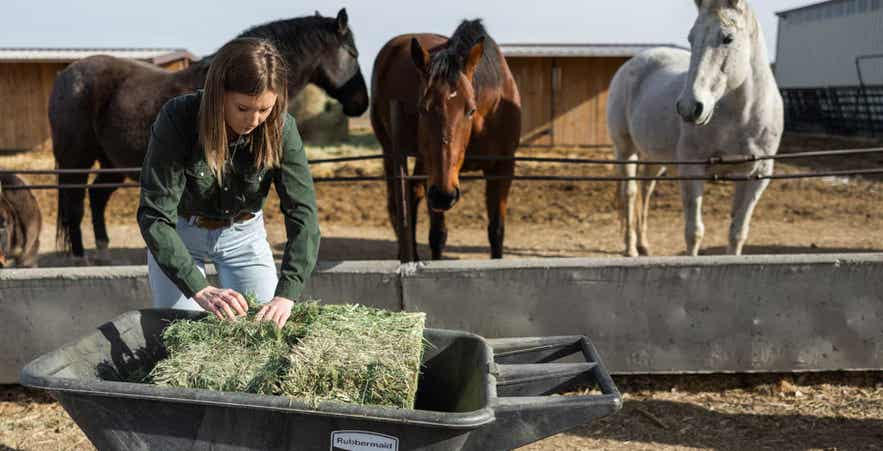
At Standlee, the difference comes down to formulation. A mixed forage refers to products made from straight forage varieties, such as combinations of grasses or legumes, with no additional ingredients added. These options provide simple, forage-only nutrition. A blended forage, on the other hand, is intentionally formulated to include added ingredients beyond forage, such as probiotics, minerals, or other nutritional components designed to support specific feeding goals. Blended forages may contain a mix of several different forage components, and premium offerings may also be supplemented with calcium, probiotics, or other added nutrients.
Low-Carb Forage Blends
For horses that are sensitive to sugar and starch, or for those with higher performance demands, a lower-carb blended forage can be a smart feeding option. Products like Standlee Smart Carb Performance Pellets combine forage-based ingredients such as alfalfa, teff grass, and beet pulp into a grain-free formula with no added molasses. These blends are designed to deliver digestible fiber with naturally low sugar and starch levels and may also include added probiotics to help support normal digestive function. Low-carb forage blends are often used by horse owners looking to support metabolic health, manage body condition, or promote more consistent energy without relying on high-starch feeds. When incorporated into a balanced feeding program, reduced-carbohydrate forage options can help support digestive comfort and steady nutrition for horses with unique dietary needs.
Blended Forage for Gastric Support
Horses with digestive sensitivities or those experiencing added stress from travel, training, or competition may benefit from a blended forage designed to support gastric health. Standlee Forage Plus Gastric Support is an alfalfa-based formula created to help promote digestive comfort, support hindgut function, and maintain a balanced gut microbiome. This blend is grain-free and formulated with low sugar and starch levels, making it a smart option for horses needing a more targeted feeding approach. Along with marine-derived calcium and pre- and probiotics, it also includes butyric acid and zinc to provide additional digestive and tissue-support benefits for horses under stress.
Final Thoughts: Buy Hay with Confidence
At the end of the day, the best forage is the one that supports consistent intake, steady digestion, and the health and performance goals you have for your horse. While pasture may be ideal, high-quality hay and forage products make it possible to provide dependable nutrition year-round, no matter the season or region.
When evaluating forage, focus on the basics: clean appearance, fresh aroma, minimal dust, proper leaf retention, and a format that fits your feeding routine. And whenever possible, choose forage you can trust that is produced with consistent standards from seed to feed. Feeding horses and livestock isn’t just about filling a feeder. It’s about supporting the life they’re built for, one flake at a time.
At Standlee, we believe consistency is what separates average hay from truly premium forage. That is why we have built a seed to feed process designed to deliver dependable quality year round, with strict standards for sourcing, testing, handling, and packaging. When you choose Standlee, you are not just buying hay. You are choosing a level of commitment and resources that few forage producers can match. From premium grass and alfalfa varieties to a wide range of convenient formats like compressed bales, pellets, cubes, and chopped forage, Standlee offers the broadest forage assortment to fit virtually any feeding program. Because when forage is the foundation of your animal’s diet, you deserve a product you can trust every time you open the bag or bale.
Additional Learning Resources
From the Standlee Beyond the Barn Podcast
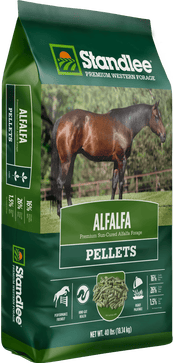
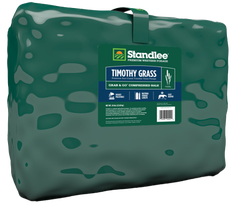
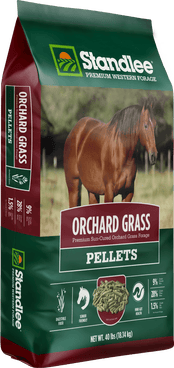
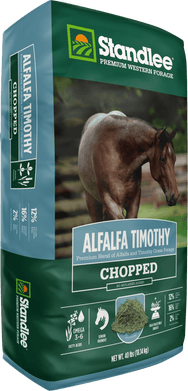
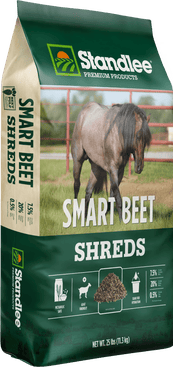
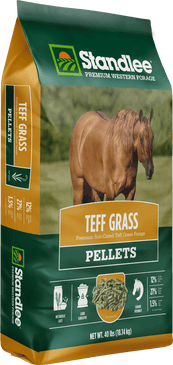
Products featured in this post
Enjoying the Standlee blog?
Subscribe to Standlee emails and get our newest content (and coupons, offers, and other great stuff) sent to your inbox!
Subscribe Now