Table of Contents
Table of Contents
COMPREHENSIVE TOPICGut Health in Horses
All Available Resources On This Topic
Standlee has created and actively maintains a wealth of resources about how to improve gut health in horses and prevent nutritional issues. Be sure to find all these resources on this page or simply click the button below to see them.
VIEW ALL RESOURCESThe digestive system of a horse operates as a complex and finely tuned process designed to extract essential nutrients from fibrous plant material. Understanding the equine digestive system, recognizing signs of poor gut health in horses, and implementing feeding strategies that promote optimal digestion are critical aspects of equine care.
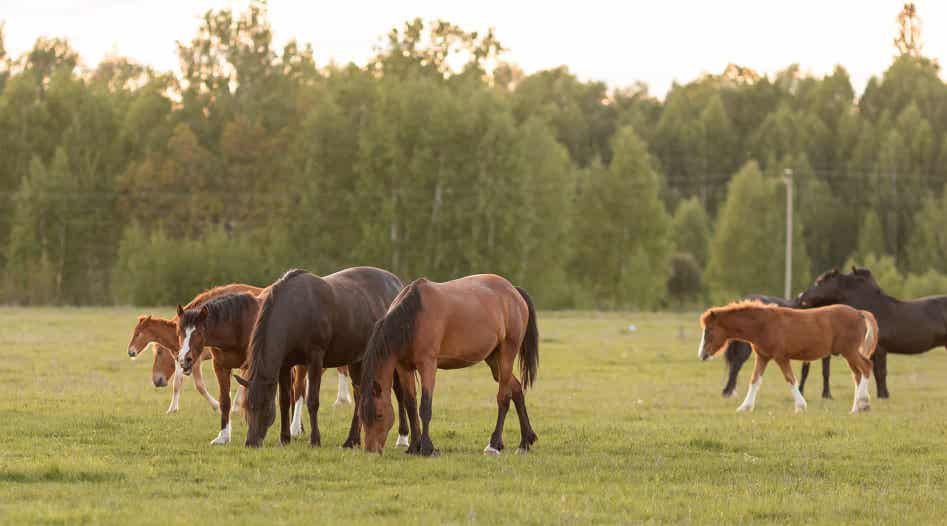
The horse's digestive system is unique - they have a relatively small stomach and a large hindgut, including the cecum, which serves as a fermenting vat for breaking down fiber. This design is tailored for a continuous, slow rate of intake of fibrous forage. Horses have evolved as grazers, spending the majority of their day eating small amounts of food throughout the day.
At the heart of a healthy equine digestive system is the hindgut (made up of the cecum, large colon and small colon), where the fermentation of fiber takes place. The breakdown of fibrous plant material relies on a population of living micro-organisms including bacteria, yeast, and fungi, collectively referred to as the ‘gut microbiome.’ The gut microbiome helps convert otherwise indigestible plant fibers into volatile fatty acids that provide energy to the horse. But these microbes are delicate, and any significant disruption - whether through stress, poor diet, or illness - can throw the system out of balance, leading to decreased performance, discomfort, or disease.
Signs of Poor Gut Health in Horses
One of the first steps in ensuring optimal gut health in horses is learning to recognize when something isn’t quite right with your horse's digestive system. Unfortunately, horses are masters at hiding discomfort, so early detection of digestive issues can be difficult. Some of the most common signs of poor gut health in horses include:
- Changes in appetite - A horse that suddenly refuses food or shows a reduced interest in eating may be experiencing gastrointestinal distress. This could be due to pain, discomfort, or simply a lack of proper nutrients in the diet.
- Colic symptoms - Colic is a general term used to describe abdominal pain in horses, which can manifest as pawing, rolling, excessive sweating, or restlessness.
- Diarrhea or constipation - A sudden change in the consistency of manure, either loose stool or, conversely, an absence of stool can indicate a digestive upset. Diarrhea can have many causes, including bacterial or viral infection, microbiome imbalance, and inflammation, while constipation may signal dehydration or impaction.
- Weight loss or poor coat condition - A horse that is losing weight despite having an adequate diet or whose coat looks dull and unhealthy may be struggling to absorb nutrients effectively due to digestive issues.
- Behavioral changes - A horse in digestive discomfort may display irritability, lethargy, or unusual behavior. In extreme cases, a horse may exhibit signs of distress, such as kicking at its belly or laying down excessively.
Prompt attention to any of these signs is crucial, as untreated digestive issues can quickly escalate and become a more serious or long-term problem for horses.
Common Digestive Issues in Horses
While the equine digestive system is highly specialized, it is still vulnerable to several common digestive disorders. Some of the most frequent conditions affecting gut health in horses include:
- Gastric Ulcers - Horses, particularly those in training or under stress, are prone to developing gastric ulcers. These gastric ulcers form on the stomach lining due to prolonged exposure to stomach acid, especially in horses that experience stress or have limited access to forage. Gastric ulcers can lead to pain, reduced appetite, weight loss, and poor performance.
- Colic - Colic is perhaps the most well-known digestive issue in horses, encompassing a range of conditions that result in abdominal pain. Colic can be caused by a variety of factors, including gas build-up, impaction, infections, or twisting of the intestines. While not all colic is preventable, consistent feeding practices and minimizing stress can significantly reduce the risk.
- Impaction - An impaction occurs when a mass of food, usually hay or bedding, becomes lodged in the digestive tract and causes a blockage. This condition often results from dehydration, insufficient fiber intake, or a sudden change in diet. In severe cases, impaction can lead to colic or even require surgical intervention.
- Enteritis and Diarrhea - Inflammation of the intestines, often due to infections or changes in diet, can cause diarrhea. Diarrhea can result in dehydration and electrolyte imbalances, which can compromise the horse's overall health.
- Leaky Gut Syndrome – This is a term used to describe increased intestinal permeability, where the normally tight junctions of the epithelial cells linking the gut become compromised. This allows bacteria, toxins, or undigested feed particles to enter the bloodstream, potentially leading to inflammation and systemic effects. While not a formal veterinary diagnosis, it is recognized as a condition linked to stress, high-grain diets, strenuous exercise, and illness.
- Laminitis - While primarily a condition of the hooves, laminitis often has a digestive origin. It can be triggered by feeding excessive amounts of high-carbohydrate grains and overwhelming the small intestine’s ability to digest starch. This results in starch reaching the hindgut, where it is rapidly fermented and disrupts the hindgut microflora, triggering a systemic inflammatory response that eventually leads to laminitis.
Feeding Strategies to Support Horse Gut Health
Fortunately, many digestive issues in horses can be prevented or managed with appropriate feeding strategies. The cornerstone of good gut health in horses is maintaining a consistent, fiber-based diet that closely mimics their natural grazing behavior. Some key feeding strategies include:
- Provide constant access to forage - Horses have evolved to graze for approximately 17 hours a day. Ensuring your horse has continuous access to hay or grass, and if necessary, offering slow feeders to prolong eating time, can support healthy digestion.
- Minimize grain and concentrate feeds - While grains and concentrates may be necessary for horses with higher energy needs, it’s important to feed them in moderation. Too much grain can overload the digestive system, leading to issues like colic or laminitis. For horses that require additional calories, look for high-fiber, low-starch alternatives.
- Ensure fresh water is always available - Dehydration is a major cause of digestive problems, including impaction colic. Make sure your horse has access to clean, fresh water at all times, especially during colder months when water intake can drop.
- Offer probiotics and digestive supplements - For horses prone to digestive issues, adding gastric buffers, probiotics and/or prebiotics with proven benefits to their diet can help maintain a healthy gut environment. These supplements can support gastric health, promote more efficient digestion, and help reduce the risk of digestive disturbances.
By understanding the equine digestive system, recognizing the signs of digestive issues, and implementing sound feeding practices, horse owners play a critical role in maintaining their horses’ gut health.
For more in-depth information on topics related to the digestive system and gut health in horses, visit the resources linked below.