Spring Pasture and Grazing Tips for Horse Owners
Lush spring pastures have hidden risks for horses predisposed to insulin dysregulation and laminitis. The same lush growth that signals a healthy pasture is closely linked to elevated concentrations of nonstructural carbohydrates that can have a significant impact on your horse's health. Sugars accumulate in spring grass in response to sunlight, overnight temperatures, and plant stress. They peak...

Topline Guide: Building and Maintaining Your Horse's Topline Muscles
Poor topline is one of the most common concerns horse owners bring to their veterinarians and nutritionists, and one of the most consistently misunderstood. A horse can appear to have a healthy body condition and still have a poor topline. Both nutrition and training play a role in topline development. Yet many horses are fed diets that lack the nutrients their topline muscles need to grow. These...

Chopped Forage for Horses: Benefits, Uses, and How to Feed
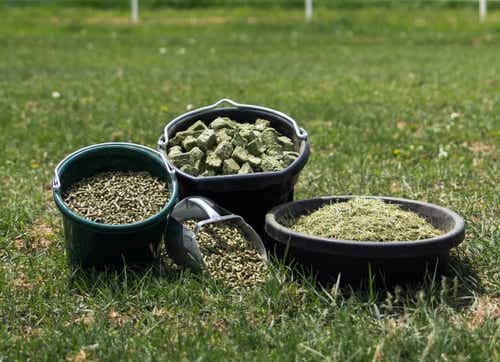
Chopped forage is dried forage cut into shorter pieces than traditional long-stem hay. Most chopped hay products are bagged for convenient storage and transport. This forage format can make it easier for owners to feed a forage-based diet when storage space is limited, hay quality is inconsistent, travel is frequent, or a horse needs a forage option that is easier to chew. The best chopped forage...

Feeding Cattle Through Spring Transition: Managing Forage, Nutrition, and Performance
Cattle are uniquely designed to thrive on forage, relying on a highly specialized digestive system that allows them to efficiently break down and utilize plant fiber. As ruminants, cattle depend on microbial fermentation within the rumen to convert forage into usable energy, protein, and heat. This process not only fuels performance and production but also supports overall health and comfort...

How to Supplement Your Horse's Diet with High-Quality Forage for Better Health and Performance
When it comes to feeding horses, one principle remains consistent across all disciplines and management styles: forage should always be the foundation of the diet. Horses are natural grazers, designed to consume small amounts of forage continuously throughout the day. This steady intake of fiber supports proper gut function, maintains microbial balance, and helps reduce the risk of digestive...
Enjoying the Standlee blog?
Subscribe to Standlee emails and get our newest content (and coupons, offers, and other great stuff) sent to your inbox!
Subscribe Now