How to Extend Your Hay Supply When Hay or Pasture Is Limited
Hay shortages tend to happen more often than many horse owners expect. Forage production depends heavily on weather and growing conditions, and factors like drought, wildfires, flooding, or extended winters can significantly limit what’s harvested and when it’s available. Add in transportation delays or regional supply disruptions, and even barns that plan ahead can find their hay supply running lower than anticipated before the season is over.
The good news? Running short on hay doesn’t have to mean compromising nutrition. With a forage-based mindset and a backup plan, you can extend your horse’s hay supply while still supporting the high fiber content and nutrition quality needed for optimal equine digestive health and performance.
This comprehensive guide breaks down why forage is the foundation of your horse’s diet, how to determine how much hay your horse truly needs each day, and the forage alternatives available when pasture access is limited or quality hay is hard to find.
As always, consult with your veterinarian or equine nutritionist before making major diet changes.
Do Horses Really Need Hay?
Forage is the foundation of equine nutrition. When you look at the evolution of the horse, horses in the wild naturally spent the majority of their day grazing between 14-20 hours of the day and consuming a variety of forages. No matter the breed or discipline, the horse’s digestive system is designed to primarily consume forage. Fiber is critical to maintain proper function of the large intestine, which accounts for approximately 60% of the horse’s digestive tract.
Long-stem hay increases chewing time, which stimulates saliva production and supports stomach buffering. However, digestion itself does not require long stems specifically – it requires fiber. Fiber supports healthy gut motility, microbial fermentation in the hindgut, and a horse’s natural grazing behavior - key contributors to digestive health and overall mental well-being.
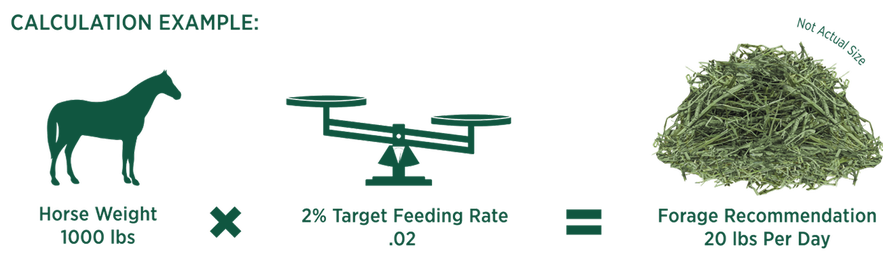
Forage should be fed at a rate of 1.5-2.5% of a horse's body weight in total intake per day.
Common Reasons Horse Hay Supply Runs Short
Even the most prepared horse owners can face challenges, hay shortages aren’t always about poor planning. More often than not, it can be several factors that start to stack up. Drought or extreme rainfall can limit the harvest window and contribute towards poor regional hay yields, while wildfires or natural disasters may disrupt supply chains altogether. Logistical challenges, such as transportation or storage issues, may also prevent availability.
Weather variability can play a large role. Long winters or delayed spring pasture growth can extend the period of time that additional hay needs to be provide, increasing demand beyond what was originally planned for. Travel is another factor – whether hauling to compete or spend a weekend on the trails, hay usage can increase quickly.
This is why experienced horse owners often build a forage backup plan or consider incorporating multiple forage sources into their feeding program. Having flexible options in place helps maintain consistency in the diet when traditional hay becomes limited.
3 Tips to Extend Your Hay Supply
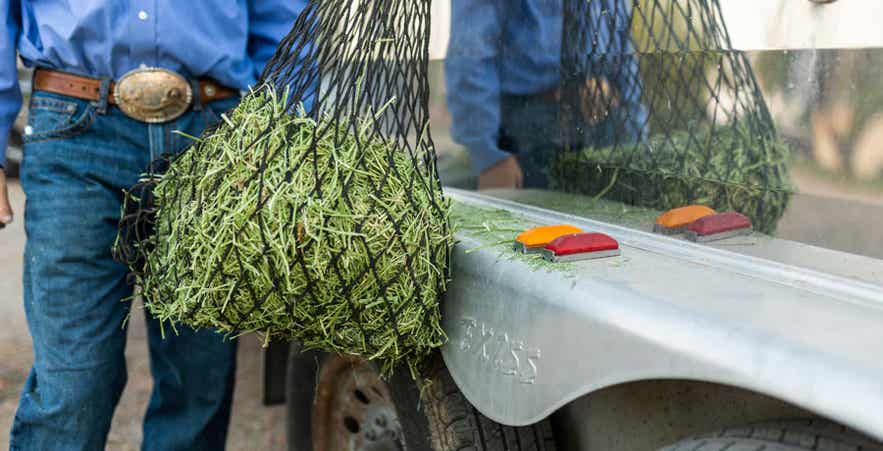
Extending hay supply doesn’t mean feeding less forage overall – it means using forage more efficiently and incorporating other fiber sources.
1. Reduce Hay Waste
Before changing feeds, look at what you can do to reduce hay waste. Many barns can lose 10-30% of their hay supply to waste alone. A few simple adjustments can save a significant amount of hay:
- Use slow-feed hay nets
- Feed off the ground when appropriate
- Measure forage by weight, not volume, to ensure accuracy
- Protect hay from weather exposure
- Store hay properly to prevent spoilage
2. Incorporate Alternative Forage Forms
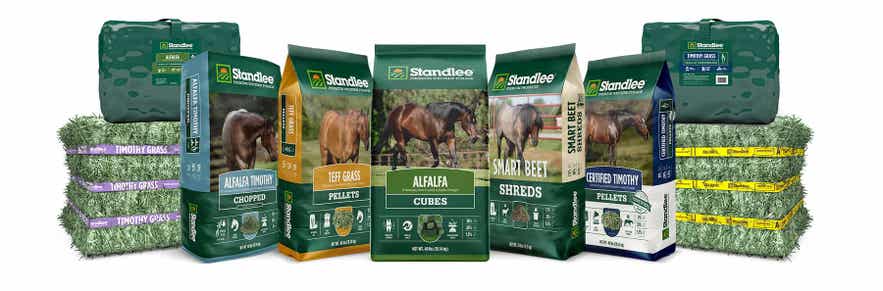
When long-stem hay is limited, alternative forage formats can help stretch supply while maintaining necessary fiber intake. These are not “replacements for forage”, they are simply the same raw forage as traditional hay bales in a different shape. These formats are especially useful for horse owners who need a reliable, shelf-stable forage option during hay shortages or while traveling to events.
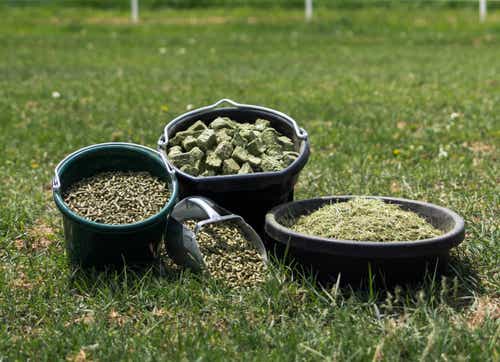
Common forage alternatives to traditional string bales include compressed bales and bagged forage options such as cubes, pellets, and chopped hay.
Hay Cubes
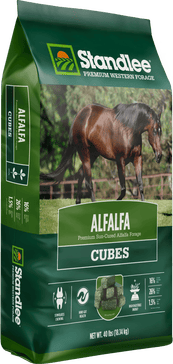
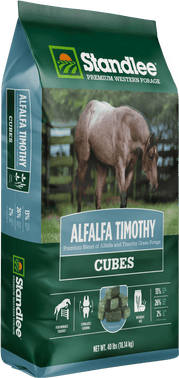
Forage cubes for horses are made by compressing chopped forage into a uniform cube. Because they begin as chopped hay, cubes can be fed as a sole forage source and still contribute to effective long-stem fiber intake, supporting natural chewing behavior and digestive function. They are easy to store, travel with, and can easily be measured dry to ensure an accurate 1:1 replacement rate for long-stem hay.
Hay Pellets
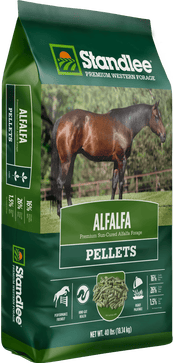
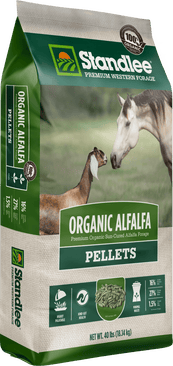
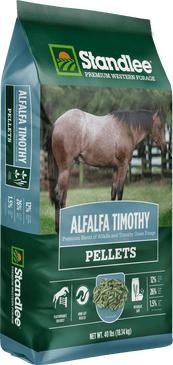
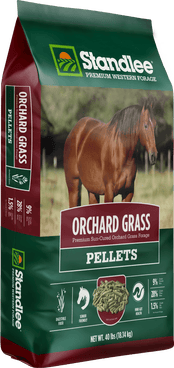
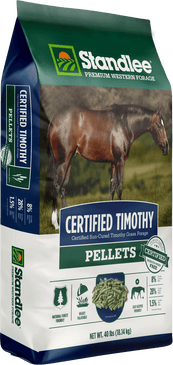
Hay pellets are created when forage is ground and pressed through a dye to make their cylindrical shape at various diameters. Standlee forage pellets are ¼ inch in diameter. Forage pellets for horses can easily be soaked into a mash or slurry, making them an ideal forage alternative for those with dental issues or senior horses that may not be able to mechanically breakdown traditional long-stem hay. They are also easy to store, weigh, and mix supplements with.
Chopped Hay
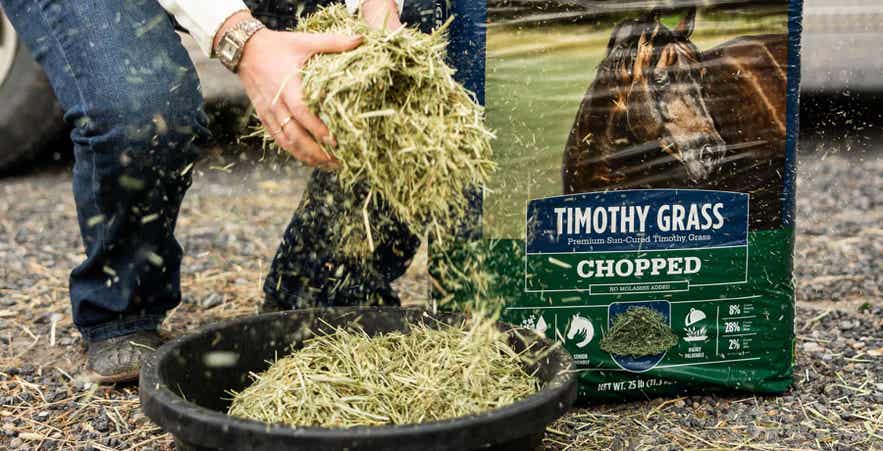
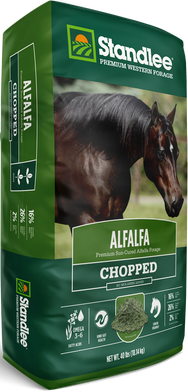
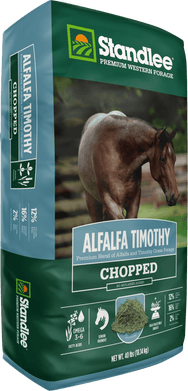
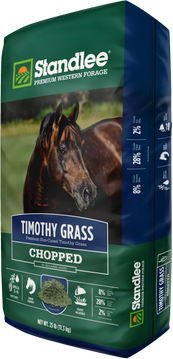
Chopped forage is an ideal feed for senior horses. Its soft texture makes it easy on aging teeth and gums, while its fiber content promotes gut health and efficient nutrient absorption. The Standlee chopped forage are enriched with essential fatty acids and help maintain joint flexibility, healthy skin, and a glossy coat.
Compressed Bales
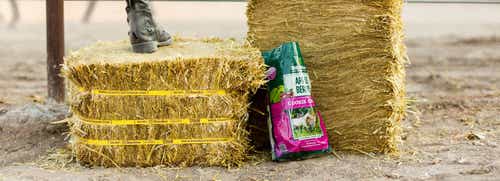
Compressed bales provides long-stem forage in a tightly packed, easy-to-handle format. This allows you to maximize your barn or trailer storage while reducing transportation bulk, making it convenient when traveling or in times of emergencies. These bales allow you to feed the same fiber format as the traditional string bales you may be used to seeing locally produced. These most closely mimic a horse’s natural grazing behavior.
3. Utilize Beet Pulp for Horses
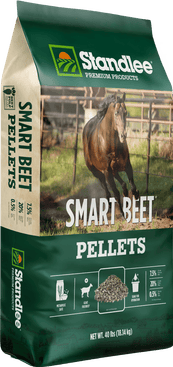
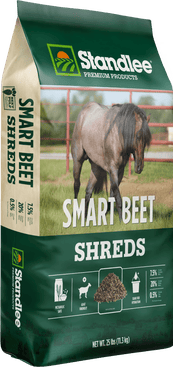
Beet pulp is a byproduct of sugar beet processing that provides a highly digestible, low sugar fiber source. By weight, it delivers an energy source to oats, but through fermentable fiber rather than starch. Because beet pulp is dehydrated, it should be soaked prior to feeding to improve palatability and intake efficiency. Standlee Smart Beet is best used to boost fiber intake and supplement forage, not fully replace it, and should typically be fed at a rate of approximately 0.5% of body weight daily.
Safely Transitioning to Forage Alternatives
Sudden diet changes can cause digestive upset in horses, which may lead to larger issues. Gradual transitions are key when making adjustments to the horse’s diet. Begin the transition before running out of hay, introducing the new feedstuffs gradually over a 7–10 day period. Increase the proportion of the new forage each day until the target feeding amount is reached. Monitor body condition closely to ensure the horse is maintaining condition and thriving on the new diet and adjust feeding amounts or forage varieties as needed.
No matter the forage format, nutrition is delivered by weight, not volume. Because density varies between long-stem hay, cubes, pellets, and chopped forage, feeding by weight helps ensure consistent intake.
When Hay Quality Is Poor
Even when you’re doing everything right, hay supply challenges don’t always come down to quantity alone. Sometimes hay is available, but quality can be low. In these cases, feeding less volume of higher-quality forage may meet needs better than large amounts of poor-quality hay.
Higher-quality forage alternatives can be incorporated into the diet to improve nutrient utilization, provide consistent fiber, and reduce the reliance on grain to support body condition when the horse’s overall vitamin and mineral requirements have been met.
Planning Ahead to Prevent a Shortage in Hay Supply
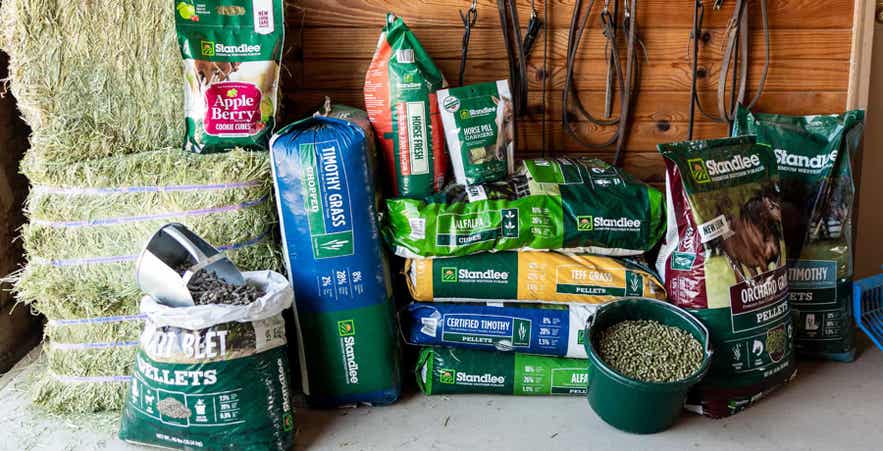
The best time to plan for hay shortages is before they actually happen. Horse owners who plan ahead avoid sudden, emergency feed changes that may disrupt the balance of the equine gut microbiome and increase the risk of digestive upset, including colic.
By testing hay quality, budgeting for forage fluctuations, understanding local supply options, storing hay properly, and incorporating alternative forage formats into the diet, horse owners can take proactive steps to support consistent nutrition. These strategies work together to help maintain dietary consistency, minimize the need for sudden feed changes, and support digestive health when conditions become unpredictable. With a plan in place, horse owners gain greater confidence, flexibility, and peace of mind - no matter what challenges the season brings.
At Standlee, providing consistent, high-quality forage options that support digestive health and practical feeding solutions year-round remains a non-negotiable.
Forage is NOT optional for horses – it is the foundation.
Frequently Asked Questions About Feeding Alternative Hay Sources
Can forage cubes fully replace hay?
Yes, when measured by dry weight and introduced to the diet gradually, cubes can be fed as the sole source of forage.
How much forage should my horse get daily?
Typically, a horse should consume1.5-2.5% of its body weight per day in total forage intake.
Should I soak cubes and pellets?
Soaking cubes and pellets is recommended for hydration, slower intake, and dental support.
Is beet pulp a hay replacement?
Beet pulp is a highly-digestible fiber source, but not a full replacement for forage.
Will Pellets or Cubes Cause Choke?
Choke is related to feeding behavior, not forage form. Risk increases when horses eat too fast, meals are large and infrequent, and horses feel competition around feed. Feeding at ground level and soaking cubes and pellets can help reduce risk and improve hydration through the water absorption in the hindgut.
Watch the Webinar
Still have questions on hay alternatives? Dr. Cubitt goes into further detail about the following points in a webinar recording titled, "When Quality Hay Is In Short Supply, What Can I Feed My Horse":
- How It’s Made: Pellets and Cubes
- Pros and Cons of Bagged Forages
- When to Add to the Diet – Having a Back-Up Plan When Disaster Strikes (i.e. Fire, Natural Disaster, etc.)
- How to Confidently Add Hay Alternatives to Your Horse’s Diet
Additional Learning Resources
From the Standlee Barn Bulletin Blog
- How to Supplement Your Horse's Diet with High-Quality Hay
- Hay Storage for Safety and to Prevent Losses
- Must-Know Proper Forage Storage Tips
- Complete Guide On How to Soak Hay Cubes & Pellets For Horses
- How Compressed Forage Bales Can Help Your Feeding Program
From the Standlee Beyond the Barn Podcast
- Ep. 010: What to Do When You Run Out of Hay
- Ep. 026: What Format of Hay Should I Feed My Horse and Why Does It Matter?
Standlee Nutritional Papers
Products featured in this post
Enjoying the Standlee blog?
Subscribe to Standlee emails and get our newest content (and coupons, offers, and other great stuff) sent to your inbox!
Subscribe Now