How to Raise Chickens: A Complete Guide to Healthy, Happy Backyard Chickens
Learning how to raise chickens successfully starts with understanding their basic needs and building a consistent care routine that supports long-term health and productivity. Whether you are raising chickens for fresh eggs, companionship, or small-scale food production, proper management plays a critical role in how your flock performs and thrives.
For many first-time owners, the process of learning how to raise chickens can feel overwhelming. Questions around housing, feeding, bedding, and daily care often come up quickly. The good news is that raising chickens becomes much more manageable when you focus on the core essentials: a safe environment, consistent nutrition, clean living conditions, and routine observation.
By building your approach around these fundamentals, you can create a setup that supports both chicken health and ease of management.

Join Our Email List Today!
Be the first to get the latest news, promotions, updates and more from Standlee when you join our email list!
By signing up for email, you are agreeing to receive news, offers, and information from Standlee Premium Products, LLC®. You can also visit our Privacy Policy. Easy unsubscribe links are provided in every email.
What to Know Before You Raise Chickens
Before bringing birds home, one of the first steps in learning how to raise chickens is understanding local regulations. Many municipalities have guidelines around flock size, coop placement, and whether roosters are permitted. Checking these requirements ahead of time helps prevent issues later and ensures your setup is compliant from the start.
In addition to regulations, it is important to consider your available space, climate, and long-term goals. Chickens require consistent daily care, including feeding, watering, and coop maintenance. Taking time to plan your setup will make the transition into chicken ownership much smoother.
Understanding how to raise chickens also means choosing birds that fit your needs. Some breeds are better suited for egg production, while others are known for temperament or adaptability to certain climates. Matching your flock to your environment and expectations sets the foundation for success.
Chicken Coop Setup and Housing Essentials
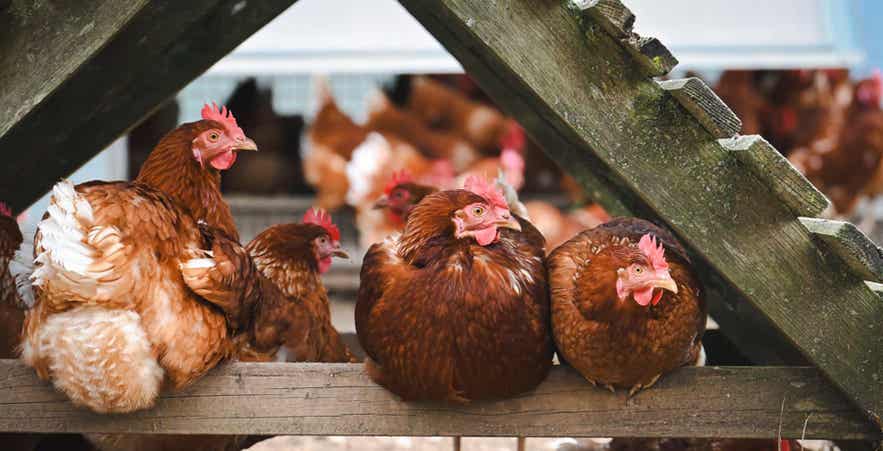
A properly designed coop is one of the most important elements when learning how to raise chickens. Chickens need a secure, well-ventilated space that protects them from predators while allowing for natural behaviors like roosting and nesting.
Each bird should have enough space to move comfortably, with adequate room inside the coop and additional outdoor space for scratching and foraging. Overcrowding can lead to stress, poor air quality, and increased disease risk.
Ventilation is especially important. Fresh airflow helps regulate temperature and reduces moisture buildup, which can contribute to respiratory issues. Nesting boxes should be clean, dry, and easily accessible, while roosting bars provide a place for chickens to rest comfortably off the ground.
Outdoor access is equally important when considering how to raise chickens. A secure run allows birds to explore, scratch, and engage in natural behaviors while staying protected from predators.
What Do Chickens Eat?
Understanding nutrition is a key part of learning how to raise chickens. Chickens require a balanced diet that supports energy needs, egg production, and overall health. Most feeding programs begin with a complete poultry feed designed for the bird’s life stage, whether that is starter, grower, or layer feed.
In addition to formulated feed, chickens naturally enjoy foraging and can consume a variety of fruits, vegetables, and insects. This behavior supports enrichment and can contribute to a more diverse diet.
However, it is important to understand that not all foods are safe for chickens. Feeding should be consistent and intentional, ensuring birds receive the nutrients they need without introducing harmful or imbalanced ingredients.
Clean, fresh water must always be available. Hydration plays a critical role in digestion, egg production, and overall health. In colder climates, heated waterers can help maintain consistent intake during winter months.
Bedding and Coop Management
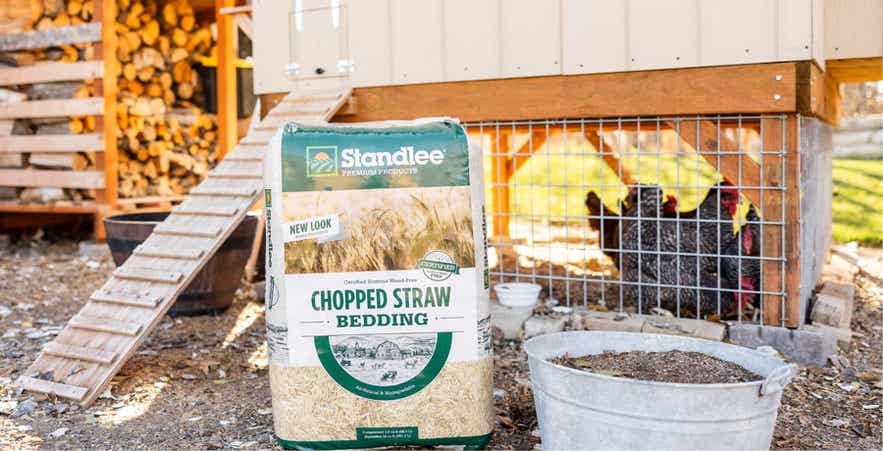
A clean, dry coop environment is essential when learning how to raise chickens. Bedding plays a major role in moisture control, odor management, and overall flock comfort. Without proper bedding, moisture can accumulate quickly, leading to ammonia buildup and increased risk of respiratory issues.
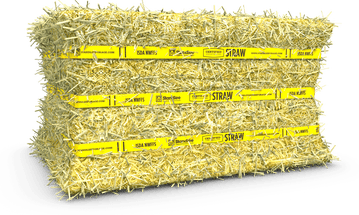
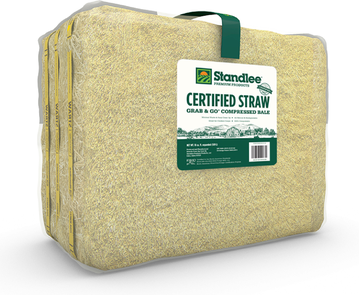
Bedding materials such as straw or wood shavings are commonly used to provide insulation and absorb moisture. However, managing odor and moisture at a deeper level often requires additional support.
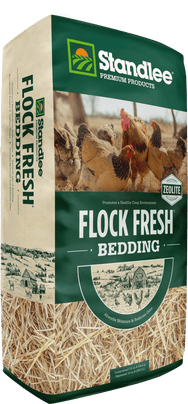
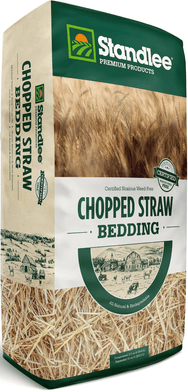
Standlee offers several bedding and coop management solutions designed to improve overall coop conditions. Products like Certified Chopped Straw provide a clean, consistent bedding option that is absorbent and easy to maintain. For enhanced moisture and odor control, Flock Fresh combines chopped straw with zeolite to help create a drier, more comfortable environment.
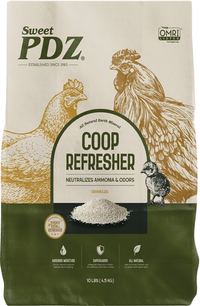
Zeolite is available in the form of Sweet PDZ Coop Refresher to help manage ammonia levels by absorbing moisture and neutralizing odor at the source. This creates a healthier environment for both chickens and caretakers, especially in enclosed or high-traffic coop areas.
Maintaining bedding through regular cleaning and replacement is one of the most impactful steps in raising healthy chickens.
Daily Care and Management of Chickens
Consistency is one of the most important factors in learning how to raise chickens successfully. Chickens thrive on routine, and daily care should include feeding, watering, and checking the overall condition of the flock.
Observing your chickens regularly helps identify potential health concerns early. Changes in behavior, appetite, or appearance can indicate underlying issues that may require attention. Early intervention often prevents more serious problems.
Cleanliness is also a key part of daily management. Removing soiled bedding, refreshing water, and maintaining a clean feeding area all contribute to a healthier environment.
Providing access to sunlight, shade, and proper airflow helps regulate temperature and supports overall comfort. Chickens are adaptable, but they still rely on their environment to remain within a manageable range of conditions.
Environmental Management and Comfort in Chicken Coops
Temperature, airflow, and space all play a role in how to raise chickens effectively. Chickens are relatively hardy, but extreme conditions can impact their health and productivity.
In colder climates, ensuring adequate bedding depth and reducing drafts helps maintain warmth. In warmer environments, providing shade and airflow is essential to prevent heat stress.
Dust bathing is another natural behavior that supports chicken health. Chickens use dust baths to clean their feathers and control parasites. Providing a designated area for this activity supports both comfort and hygiene.
By managing the coop environment carefully, you create a space that allows chickens to express natural behaviors while maintaining health and productivity.
Choosing the Right Products for Your Flock of Chickens
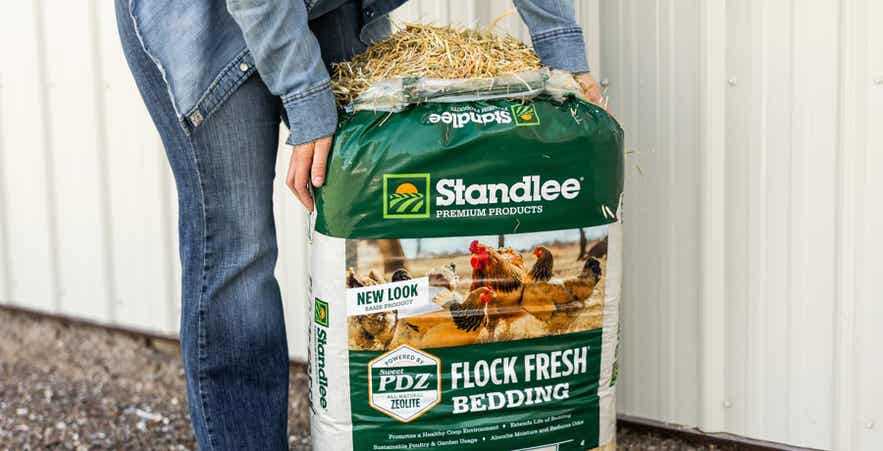
As you continue learning how to raise chickens, selecting the right products can make a significant difference in both efficiency and results. High-quality bedding, odor control solutions, and consistent feed sources all contribute to better flock management.
Products that support moisture control, reduce ammonia, and improve overall cleanliness help create a more stable environment. This not only benefits the chickens but also makes daily care more manageable for owners.
Investing in reliable solutions early helps prevent common challenges and supports long-term success.
Final Takeaway: Building a Healthy Chicken Care Routine
Understanding how to raise chickens comes down to consistency, environment, and nutrition. Chickens rely on a stable routine that supports their natural behaviors while providing the resources they need to thrive.
When housing is secure, bedding is clean and well-managed, and nutrition is consistent, chickens are more likely to remain healthy, productive, and easy to care for. That’s where the right products can make a meaningful difference. Standlee bedding and coop care solutions, including Certified Chopped Straw, Flock Fresh, and Sweet PDZ products, are designed to help maintain a drier, cleaner environment while reducing moisture and ammonia buildup. By pairing consistent daily care with reliable, high-quality solutions, chicken owners can create a more manageable routine that supports flock health, improves coop conditions, and enhances the overall chicken-keeping experience.
Frequently Asked Questions
How to raise chickens for beginners?
Learning how to raise chickens starts with a safe coop, proper nutrition, clean bedding, and consistent daily care.
What do chickens eat daily?
Chickens eat a balanced poultry feed along with occasional fruits, vegetables, and natural foraging.
How much space do chickens need?
Chickens typically need about 4 square feet per bird inside the coop and 8–10 square feet outdoors.
What bedding is best for chickens?
Straw, wood shavings, or chopped straw bedding with moisture control support works best for maintaining a clean coop.
How often should you clean a chicken coop?
Light cleaning should be done regularly, with deeper cleaning performed as needed to maintain a dry, odor-free environment.
Additional Learning Resources
From the Standlee Barn Bulletin Blog
- 4 Tips for Raising Chickens in the Winter
- Choosing the Best Bedding for Your Chicken Coop
- Choosing the Right Bedding: Clean, Comfortable, and Healthy Options for Your Barn
- The Endless Uses of Straw!
From the Standlee Beyond the Barn Podcast
From the Standlee Nutritional Papers:
Enjoying the Standlee blog?
Subscribe to Standlee emails and get our newest content (and coupons, offers, and other great stuff) sent to your inbox!
Subscribe Now