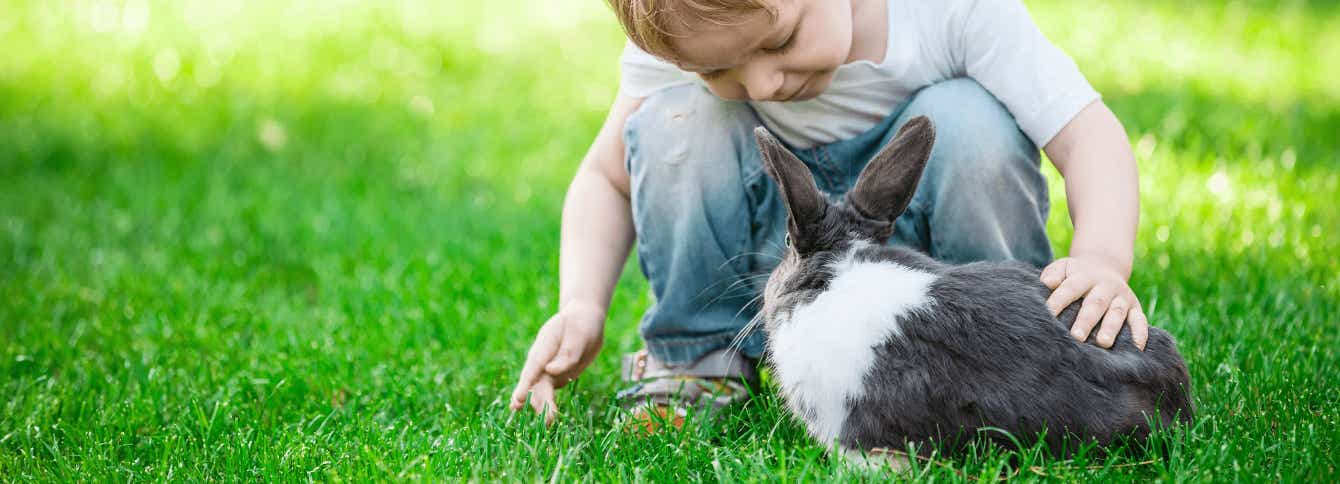
10 Tips for New Rabbit Owners: How to Take Care of a Rabbit
1.) Do your research. Before you decide to purchase or adopt a rabbit, make sure to research as much information as you can regarding rabbits such as illnesses, proper dietary needs, and housing. 2.) Find a Vet. It is important when finding a veterinarian that you find one who is experienced in rabbits as they are not common animals like dogs, cats, etc. Make sure to sit down with your vet and...
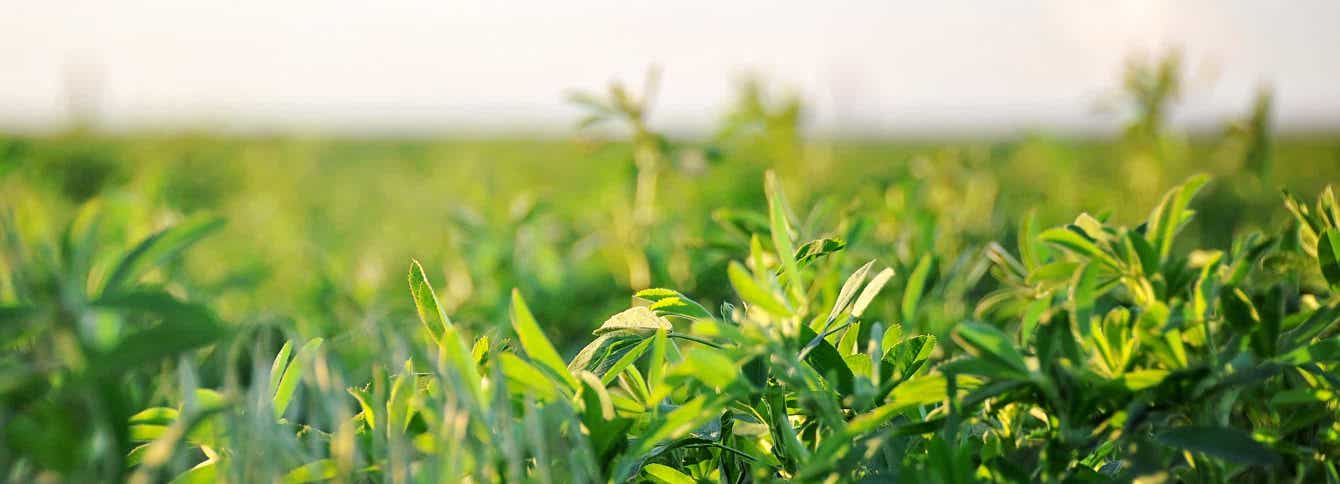
Are you looking for a USDA Certified Organic Alfalfa forage option for your animals?
Are you looking for a USDA Certified Organic Alfalfa forage option for your animals? Organic Alfalfa can be utilized in any diet that currently includes alfalfa. If your preference is “organic” or your livestock herd is involved in a program that requires organic feed, Standlee Premium Western Forage® is proud to offer you that choice. Standlee Forage® has two organic products to offer that...
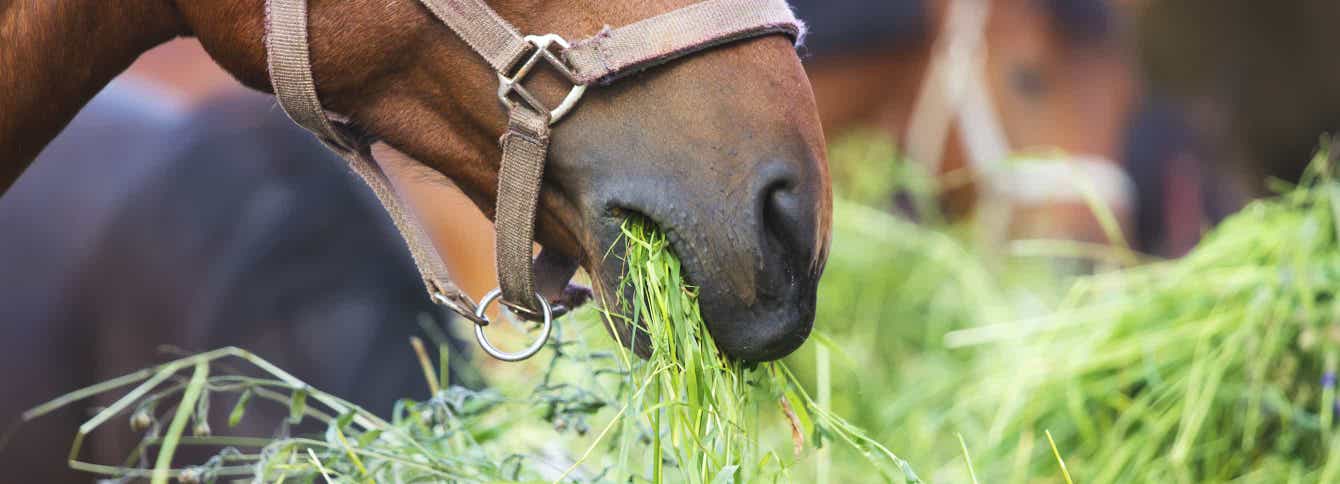
How Compressed Forage Bales Can Help Your Feeding Program
Have you seen Standlee Premium Western Forage’s Premium Alfalfa Grab & Go Compressed Bales in your local feed store? They’re wrapped in plastic and might look a bit smaller than your average hay bale, but if you pick one of these bales up, you’ll quickly find they’re plenty dense. In fact, we create these bales by compressing a 4’x4’x8’ bale into a size that’s much more convenient. What are...
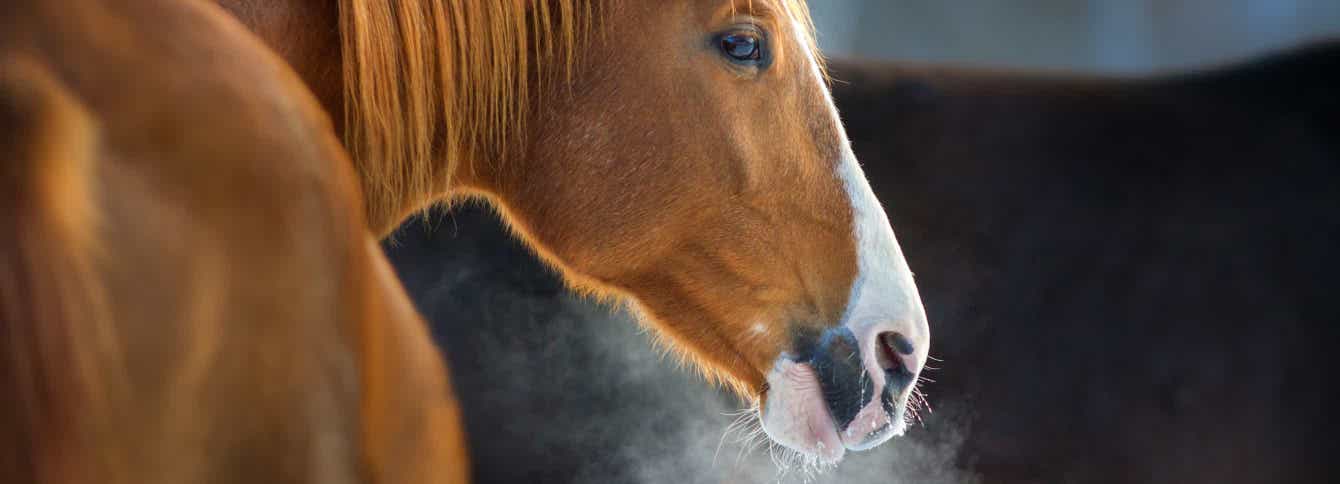
Winter Feeding Easy Keeper and Hard Keeper Horses
Winter seems so far away, but it is just around the corner. Are you ready? Is your horse ready? In the next couple of months, understanding “Lower Critical Temperature (LCT)” will be important for caring and feeding your horse(s) properly. LCT is the temperature below which metabolic heat production must be increased to maintain body temperature. For mature horses, their LCT will fall around 5°F...
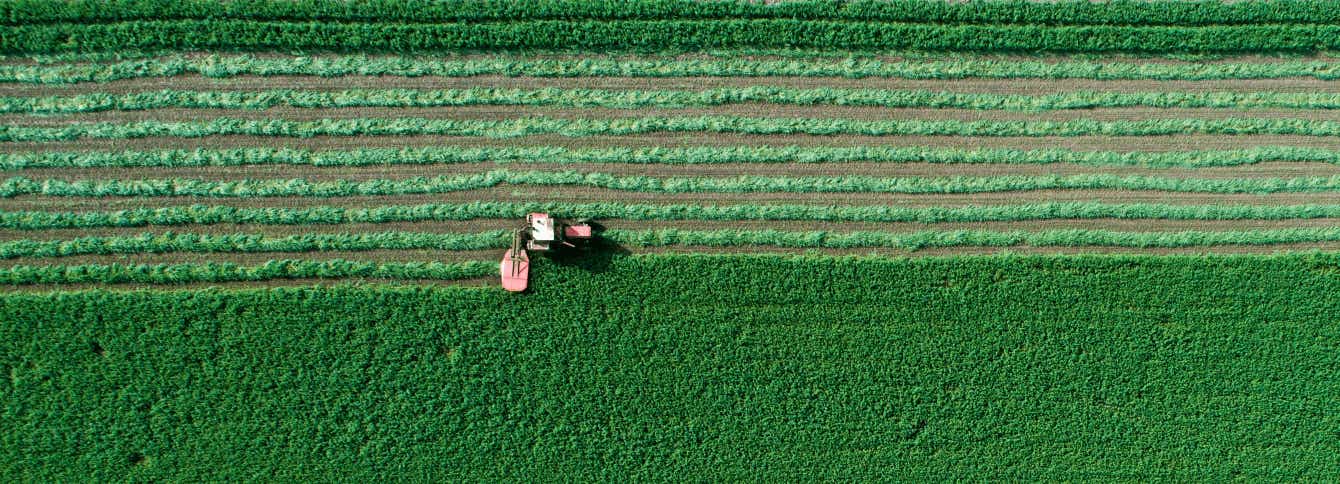
Must-Know Proper Forage Storage Tips
Forage is the foundation of your horse’s diet, meaning that you need to be able to safely store large volumes of it throughout the year. As this year’s forage is harvested, you’re likely filling your barn with bales in order to stock up. But proper storage methods are important, since they can help to keep the forage in good, feedable condition, and may even play a role in reducing the risk of a...
Enjoying the Standlee blog?
Subscribe to Standlee emails and get our newest content (and coupons, offers, and other great stuff) sent to your inbox!
Subscribe Now