Equine Metabolic Syndrome in Horses: Symptoms, Risks, Diet & Management
Equine Metabolic Syndrome (EMS) is a medical condition in horses characterized by insulin dysregulation and an increased risk of endocrinopathic laminitis.
Left unaddressed, this condition can have life-altering effects. Horses with EMS need carefully designed feeding programs and consistent management to help control insulin, maintain a healthy body condition, and protect hoof health.
This guide explains what Equine Metabolic Syndrome is, why it matters, common risk factors, what to feed, and how to manage it. Keep reading to learn more about practical forage, pasture, and feeding strategies for EMS horses.
Key Takeaways
- Equine Metabolic Syndrome is defined by insulin dysregulation, not just obesity.
- The most important consequence of EMS is a higher risk of laminitis associated with hyperinsulinemia.
- Many horses with EMS are overweight or have regional fat deposits, but not every horse with EMS is obese.
- Diagnosis relies on a history assessment, physical examination, and laboratory testing by a veterinarian.
- Management focuses on controlling calorie intake, reducing dietary sugar and starch, managing pasture access, and promoting safe weight loss.
What Is Equine Metabolic Syndrome?
Equine Metabolic Syndrome is best understood as a cluster of risk factors rather than a single isolated disease. [1]
The defining feature of EMS is insulin dysregulation, a term used to describe abnormalities in the body's control of insulin and related metabolic responses.
Insulin is a hormone produced by the pancreas that regulates blood sugar in horses by facilitating glucose uptake into tissues. Dysregulation of this hormone can lead to hyperinsulinemia, an abnormally high blood insulin concentration, in horses with EMS.
The term "Insulin dysregulation" (ID) is now preferred over "insulin resistance" (IR) in current veterinary literature because it is a broader, more accurate term covering all causes of high blood insulin associated with EMS. [6]
Equine metabolic syndrome is commonly associated with obesity and regional adiposity. But not every overweight horse has EMS. And not every horse with hyperinsulinemia is overweight. [3]
Why Equine Metabolic Syndrome Matters

Understanding and managing equine metabolic syndrome matters because this condition significantly increases a horse's risk of endocrinopathic laminitis. [1]
Laminitis is a serious and painful hoof condition in horses. It affects the laminae, the specialized tissues that suspend and support the coffin bone within the hoof.
When those tissues are compromised, the horse can develop foot pain, lameness, and rotation of the coffin bone. Veterinarians may recommend euthanasia for horses with advanced laminitis due to the detrimental impacts on quality of life.
Laminitis is sometimes associated with grain overload, colitis, or severe systemic illness. But it is also an endocrinopathic disease process driven by abnormal hormone responses.
In horses with EMS, the risk of laminitis is primarily associated with insulin dysregulation, particularly hyperinsulinemia. Studies have found that prolonged high insulin levels alone can induce laminitis in otherwise healthy ponies. [2]
Risk Factors for EMS in Horses
Equine metabolic syndrome does not have a single cause. Research suggests a combination of genetic predisposition, diet, and management factors makes some horses more likely to develop insulin dysregulation. [4]
Genetic Predisposition
Some horses and ponies appear naturally more prone to metabolic problems than others. Surveys show easy-keeper types, ponies, and certain breeds are consistently overrepresented in EMS cases. [7]
These breeds include:
- Welsh Ponies
- Morgans
- Arabians
- Andalusians
- Warmbloods
Genetic studies in Arabian horses revealed associations between specific genetic markers and equine metabolic syndrome. These results suggest that horses can inherit a genetic predisposition to this condition from their ancestors. [8]
Body Condition
Excess body fat is one of the most important risk factors for EMS, especially when fat is concentrated in specific areas such as the neck crest, tailhead, behind the shoulders, or around the sheath or udder. [9]
Obesity is common in EMS, but it is not required for diagnosis. Some horses with insulin dysregulation are only mildly overweight, whereas others primarily exhibit regional adiposity rather than generalized obesity. [4]
Management Factors
Horses evolved to move and graze throughout the day. But modern management can limit these natural behaviors, especially for easy keepers with low exercise levels.
Limited activity does not cause EMS on its own, but it can increase the likelihood of weight gain and poor insulin regulation in susceptible horses. Horses with limited turnout and infrequent exercise are more likely to be obese and consume excess calories. [10]
Symptoms of Equine Metabolic Syndrome
The early signs of equine metabolic syndrome can be easy to miss. Some horses show obvious obesity, while others primarily develop regional fat deposits and more subtle symptoms of metabolic dysfunction. [4]
Common signs of equine metabolic syndrome include:
- easy weight gain or difficulty losing weight
- generalized obesity
- a cresty neck
- abnormal regional fat deposits
- a history of laminitis or repeated foot soreness
These body-condition changes matter because they can be some of the earliest visible clues that a horse is metabolically at risk before a laminitic episode.
Common early signs of laminitis in horses include:
- reluctance to walk forward
- shortened stride
- shifting weight between feet
- increased digital pulses
- warm feet
- intermittent or recurring foot soreness
Over time, some horses also develop chronic hoof changes associated with repeated laminitis episodes, such as abnormal growth rings or persistent foot sensitivity. [2]
Contact your veterinarian if you notice any abnormal symptoms or concerning signs in your horse.
How Veterinarians Diagnose Equine Metabolic Syndrome

Veterinarians diagnose equine metabolic syndrome using patient history, physical findings, and laboratory testing. [4]
History and Exam
During the visit, the veterinarian will typically assess:
- body condition score
- neck crest and regional fat deposits
- laminitis and management history
- age, breed, or type
The results of the physical examination can help determine if bloodwork is a logical next step.
Bloodwork
Bloodwork that evaluates insulin levels is commonly used to diagnose equine metabolic syndrome. Some tests also measure glucose and additional metabolic markers.
A high resting blood insulin level can support the diagnosis, but a normal resting value does not always rule out insulin dysregulation. [5]
Dynamic Testing
When resting results are unclear, dynamic testing may be more informative.
Dynamic testing evaluates how strongly insulin rises after the horse receives a controlled carbohydrate challenge. An exaggerated response suggests insulin dysregulation and can help identify horses at increased risk of laminitis. [5]
EMS vs. PPID
Pituitary Pars Intermedia Dysfunction (PPID), also known as Cushing's disease, is a common endocrine disorder also associated with an increased risk of laminitis.
EMS and PPID are not the same condition, but they can occur separately or together.
EMS is typically associated with younger-to-middle-aged easy keepers with insulin dysregulation. PPID is more common in older horses. [4]
Key symptoms of PPID include a long, curly coat, topline loss, and increased drinking and urination. Diagnosis is confirmed by resting ACTH blood tests, with treatment relying on ongoing medication and management.
What to Feed Horses With Equine Metabolic Syndrome
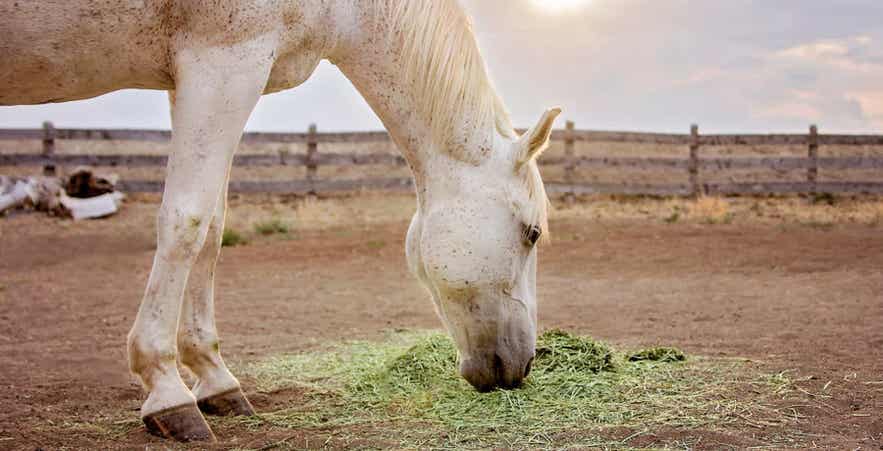
For most horses with EMS, the diet should be built around carefully selected forage, with attention to calorie intake, sugar and starch levels, and overall nutrition.
Reduce Sugar and Starch
Reducing dietary sugar and starch is a core management strategy for horses with insulin dysregulation and equine metabolic syndrome. [3]
Non-structural carbohydrates (NSC) are the simple sugars and starches in a horse's diet that are digested in the small intestine rather than fermented in the hindgut. High-NSC diets can create larger insulin responses in susceptible horses. [6]
Avoiding high-NSC diets is especially important for horses with EMS or a history of laminitis.
Many horses with EMS do best when owners limit or avoid:
- high-starch grains
- sweet feeds
- large concentrate meals
- sugary treats
- unrestricted grazing
- high-NSC spring pasture
Instead, look for low-NSC forage and feed options that are appropriate for horses with metabolic health concerns.
Pasture Management
Pasture management is one of the hardest parts of developing an EMS feeding plan because intake is difficult to measure and control. Plus, pasture carbohydrate levels can vary significantly with season, weather, and plant maturity. [3]
In susceptible horses, unrestricted grazing can increase carbohydrate exposure and make metabolic management harder.
Practical options for pasture management may include:
- restricted grazing time
- a grazing muzzle
- dry lot turnout
- gradual pasture transitions
- close monitoring of body condition and hoof comfort
When in doubt, replace grass pasture with more appropriate forage sources.
Appropriate Forage
Forage is the foundation of the equine diet. Horses with equine metabolic syndrome are no exception. However, selecting the right forage for your horse is critical when managing this condition.
Veterinary guidance consistently emphasizes a forage-based diet that supports digestive health while helping maintain healthy insulin responses and body condition. [3]
The best forage depends on your horse's unique needs.
- Overweight or easy keepers often benefit from lower-calorie forages and slow feeders that reduce intake while promoting natural grazing behaviors.
- Normal-weight horses with metabolic issues still need forages with low sugar and starch content, but total nutrient intake must also be sufficient.
- Horses on inconsistent hay sources may benefit from alternative forage formats that offer more predictable nutrient profiles.
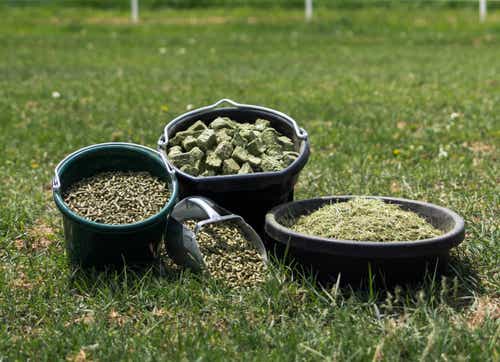
Adding chopped forage, hay cubes, and hay pellets to the diet makes it easy for owners to manage consistency, portion size, and carbohydrate levels within the total ration. But the right type of forage is just as important as the right amount.
Popular types of grass hay for horses with metabolic concerns include teff and timothy. These forages typically have lower sugar levels than orchard grass. Consider feeding alfalfa as a supplemental forage if your horse needs more energy and protein, as it is typically lower in starch and sugar.
Many commercial grains have high sugar and starch levels, making them unsuitable for horses with equine metabolic syndrome. Consider replacing high-starch grains with forage-based and high-fiber feeds, such as beet pulp.
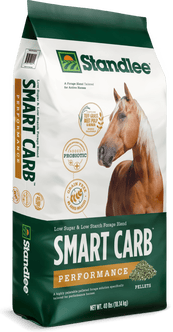
Standlee's Smart Carb™ Performance is a useful ration component for horses that need a grain-free, low-sugar, low-starch feed option. The formula is made with teff grass, beet pulp, and alfalfa with no added molasses.
Supporting Horses with Equine Metabolic Syndrome

Horse owners can often successfully manage equine metabolic syndrome with a consistent, well-structured plan.
Early recognition, veterinary testing, careful forage selection, controlled sugar and starch intake, pasture management, and appropriate exercise can all play an important role in reducing risk and supporting a healthier horse over time.
Need help for a horse with metabolic concerns? Use our Standlee Tools to compare forage options, create a new feeding plan, discover where to find the products you need, and more.
Frequently Asked Questions
What is equine metabolic syndrome?
Equine metabolic syndrome is a collection of risk factors centered on insulin dysregulation and increased risk of laminitis. Obesity and regional fat deposits are common, but not required for diagnosis.
Can a horse have EMS without being obese?
Yes. Obesity is common in EMS, but some horses with insulin dysregulation are not obviously obese, so veterinary testing is important.
What should you feed a horse with EMS?
Most horses with EMS need a forage-based diet designed to control calories and reduce sugar and starch while still meeting nutrient requirements.
Can horses with EMS eat pasture?
Some can, but only with careful management. In many cases, pasture access needs to be limited or replaced with dry lot turnout and more appropriate forage.
Is EMS the same as Cushing's disease?
No. EMS and PPID are different conditions, although a horse can have one or both. Veterinary testing is often needed to distinguish them.
How is EMS diagnosed in horses?
Diagnosis is based on the horse's history, physical examination, and metabolic testing, often including insulin measurement and, when needed, dynamic testing.
Can Equine Metabolic Syndrome Be Reversed?
EMS is managed, not cured. Many horses improve significantly when insulin levels are better controlled, body condition improves, and laminitis triggers are reduced.
References
- Durham AE, et al. ECEIM consensus statement on equine metabolic syndrome. J Vet Intern Med. 2019.
- Asplin KE, et al. Induction of laminitis by prolonged hyperinsulinaemia in clinically normal ponies. Vet J. 2007.
- Sundra T, et al. A practical approach to hyperinsulinaemia in horses with equine metabolic syndrome. Equine Vet Educ. 2024.
- Frank N. Equine metabolic syndrome. Vet Clin North Am Equine Pract. 2011.
- Olley RB, et al. Comparison of fasted basal insulin with the combined glucose-insulin test in horses and ponies with suspected insulin dysregulation. Vet J. 2019.
- Frank N, Tadros EM. Insulin dysregulation. Equine Vet J. 2014.
- McCue ME, et al. Equine metabolic syndrome: a complex disease influenced by genetics and the environment. J Equine Vet Sci. 2015.
- Lewis SL, et al. Genome-wide association study reveals a risk locus for equine metabolic syndrome in the Arabian horse. J Anim Sci. 2017.
- Pleasant RS, et al. Adiposity, plasma insulin, leptin, lipids, and oxidative stress in mature light breed horses. J Vet Intern Med. 2013.
- Delarocque J, et al. Weight loss is linearly associated with a reduction of the insulin response to an oral glucose test in Icelandic horses. BMC Vet Res. 2020.
Additional Learning Resources
From the Standlee Barn Bulletin Blog
- Cresty Neck – A Precursor to Metabolic Disease in Horses
- Laminitis in Horses: Symptoms, Causes, & Feeding Strategies
- How to Avoid High NSC Intake for Horses in the Spring
- What Is the Difference Between Laminitis or Founder for Horses?
From the Standlee Beyond the Barn Podcast
- Ep. 109: 4 Horse Feeding Mistakes That Increase Laminitis Risk
- Ep. 057: How to Prevent and Manage Laminitis
- Ep. 005: Are Horses Carbohydrate Sensitive?
- Ep. 052: Why Your Horse Is Overweight, and You Probably Don’t Know It
From the Standlee Nutrition Papers
Products featured in this post



Enjoying the Standlee blog?
Subscribe to Standlee emails and get our newest content (and coupons, offers, and other great stuff) sent to your inbox!
Subscribe Now