Chick Brooder Setup: How to Raise Healthy Baby Chicks from Day One
Getting started with baby chicks is one of the most exciting parts of raising poultry, but it is also one of the most critical stages for long-term flock health. A properly designed chick brooder setup creates a controlled environment where chicks can grow, develop, and transition successfully into the coop.
For first-time owners, understanding how to build and manage a chick brooder setup can feel overwhelming. Chicks are delicate in their early days and depend entirely on their environment for warmth, hydration, nutrition, and safety. Small missteps during this stage can lead to stress, illness, or poor development.
The good news is that a well-planned chick brooder setup does not have to be complicated. By focusing on the essential components - enclosure, bedding, heat, feed, water, and daily management - you can create a system that supports healthy, thriving chicks from day one.
Why a Proper Chick Brooder Setup Matters
Before chicks are ready for the coop, they rely on a brooder to replicate the warmth and protection of a mother hen. In natural conditions, chicks would spend their early weeks sheltered under the hen’s body, regulating their temperature and gradually adapting to the outside environment.
A well-designed chick brooder setup replaces that role by providing consistent warmth, a clean and dry living space, and easy access to food and water. Without these elements, chicks are more vulnerable to temperature stress, dehydration, and disease.
Establishing the right brooder environment early sets the tone for healthy growth, strong immune development, and smoother transitions later in life.
Choosing the Right Brooder Enclosure
The foundation of any chick brooder setup begins with the enclosure. This space should be secure, draft-free, easy to clean, and large enough to accommodate growth over several weeks.
Many first-time chicken owners use large plastic tubs, stock tanks, or contained playpen-style setups. The exact structure matters less than the functionality. The brooder should prevent chicks from escaping while also protecting them from pets, pests, and sudden environmental changes.
Adequate space is essential. Overcrowding leads to stress, increased moisture, and higher risk of illness. As chicks grow quickly, your chick brooder setup should allow for expansion or include enough room from the start to prevent frequent transitions.
Airflow is equally important. While drafts should be avoided, proper ventilation helps reduce moisture buildup and supports respiratory health.
Bedding: The Foundation of a Clean, Healthy Brooder for Chicks
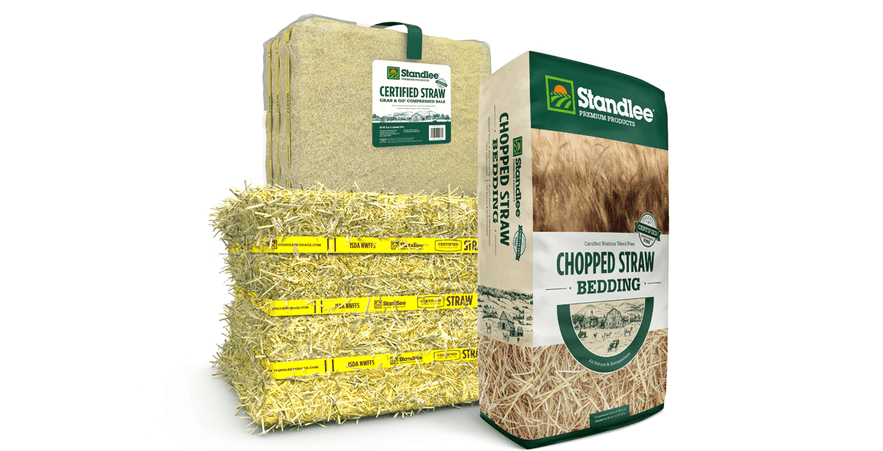
Bedding is one of the most important - and often overlooked - elements of a chick brooder setup. A clean, dry environment supports chick health by reducing bacteria growth, controlling moisture, and minimizing ammonia buildup.
During the first few days, many owners use paper-based materials to help chicks easily locate feed and water. Once chicks are eating and drinking confidently, transitioning to an absorbent bedding material is essential.
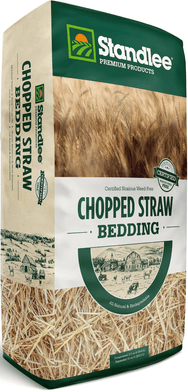
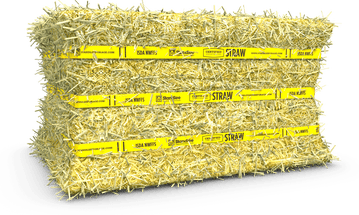
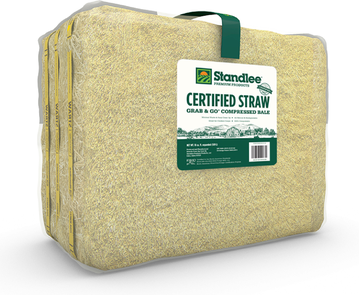
Products like Standlee Certified Chopped Straw provide a consistent, easy-to-manage bedding option that supports airflow while helping keep the brooder dry. Because chopped straw is uniform and low-dust, it creates a more comfortable environment for developing chicks.
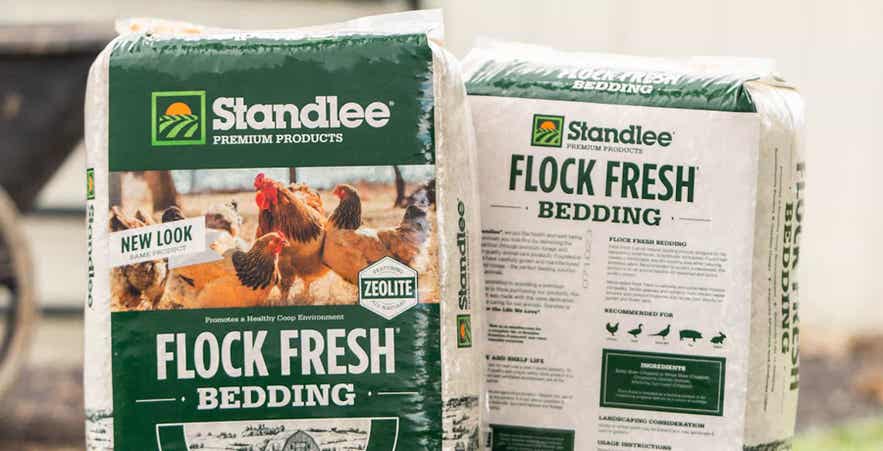
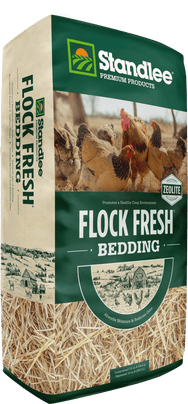
For additional support, Standlee Flock Fresh combines chopped straw with zeolite to help manage moisture and reduce ammonia, creating a cleaner and more stable brooder environment.
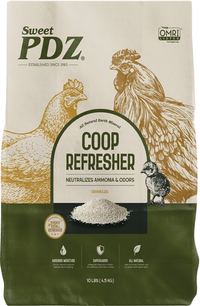
Moisture control becomes increasingly important as chicks grow. Maintaining dry bedding is one of the most effective ways to reduce respiratory stress and promote early development. Adding a light layer of Sweet PDZ Coop Refresher beneath or within bedding can help absorb excess moisture and neutralize ammonia, supporting better air quality and overall chick health.
Providing a Safe Heat Source for Chicks
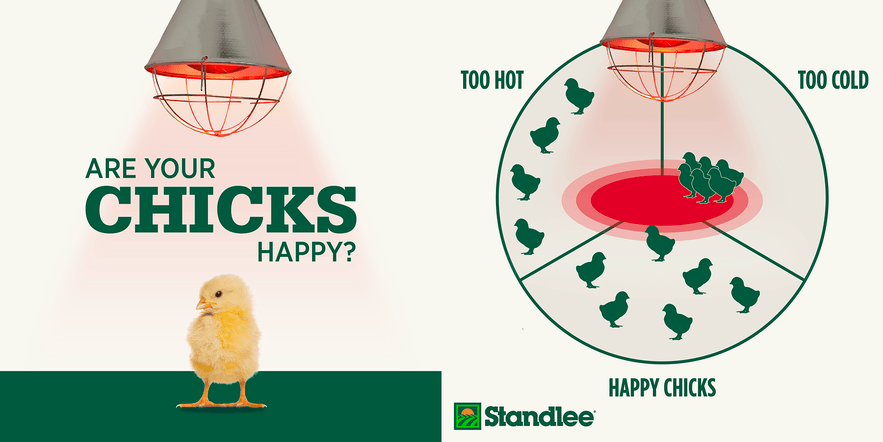
Temperature management is one of the most critical aspects of a chick brooder setup. Chicks cannot regulate their body temperature during the first weeks of life and depend entirely on an external heat source.
Modern brooder systems often use radiant heat plates designed to mimic the warmth of a mother hen. These allow chicks to move in and out of heat as needed, supporting natural temperature regulation.
Consistent warmth is essential, but so is giving chicks the ability to choose their comfort level. In a properly balanced chick brooder setup, you will observe chicks moving freely between warm and cooler areas. If chicks are huddled tightly together, they are likely too cold. If they are avoiding the heat source entirely, the brooder may be too warm.
Maintaining the correct temperature range and adjusting it gradually each week supports steady growth and reduces stress.
Feeding Baby Chicks Properly
Nutrition plays a central role in any successful chick brooder setup. From day one, chicks require a nutritionally complete starter feed formulated to support rapid growth and development.
Starter feeds provide the correct balance of protein, energy, vitamins, and minerals needed during early life stages. Consistency is key, and feed should always be fresh, clean, and easily accessible.
Placement of feeders also matters. In a well-designed chick brooder setup, feeders should be positioned close to the heat source but not directly underneath it. This encourages chicks to eat regularly without becoming chilled.
It is also important to monitor feed intake daily. Healthy chicks are active, curious, and consistently eating. Changes in appetite can be an early indicator of environmental or health concerns.
Clean Water and Hydration
Water is just as important as feed in a chick brooder setup. Chicks must have constant access to clean, fresh water to support digestion, nutrient absorption, and overall health.
Waterers should be shallow enough to prevent drowning but designed to minimize contamination from bedding. Elevating waterers slightly as chicks grow helps keep litter out and reduces waste.
Hydration is especially critical during the first few days after chicks arrive, as well as during winter. Ensuring each chick drinks early helps reduce stress and supports a strong start.
Introducing Chicks to the Brooder
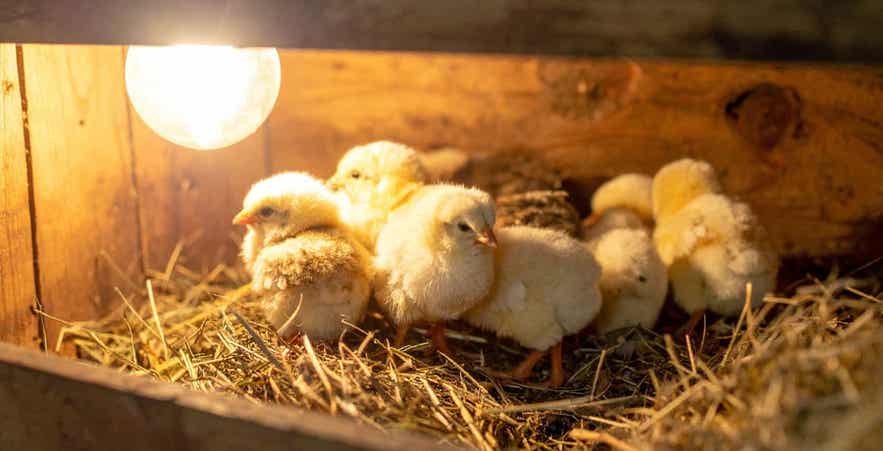
The first moments in a new chick brooder setup are important for helping chicks adjust quickly. As chicks are placed into the brooder, they should be gently guided toward both water and feed.
Dipping a chick’s beak lightly into the water source can help them understand where to drink. Once a few chicks begin drinking and eating, others will follow naturally through social behavior.
Providing a calm, warm, and well-lit environment during this transition helps reduce stress and encourages early activity.
Maintaining a Clean and Healthy Environment
Cleanliness is one of the most impactful factors in raising healthy chicks. A well-maintained chick brooder setup reduces the risk of disease, supports respiratory health, and improves overall comfort.
Bedding should be checked daily and replaced as needed to maintain dryness. Wet spots, especially around waterers, should be addressed immediately. Odor buildup is often a sign of excess moisture and should be corrected quickly.
Using moisture- and odor-control products like Sweet PDZ can significantly improve air quality within the brooder. This becomes especially important as chicks grow and produce more waste.
Routine observation is equally important. Healthy chicks are active, alert, and evenly distributed throughout the brooder. Monitoring behavior daily allows for early detection of potential issues.
Preparing for the Transition to the Coop
As chicks grow and begin developing feathers, they gradually become less dependent on supplemental heat. This transition period is an important step in the overall chick brooder setup process.
Gradually reducing heat and allowing chicks to acclimate prepares them for life in the coop. By the time chicks are fully feathered, they are better equipped to regulate their body temperature and handle environmental changes.
A smooth transition from brooder to coop reduces stress and supports continued growth and development.
Final Takeaway: Start Strong with the Right Brooder Setup
A successful start begins with a well-planned chick brooder setup. By creating a clean, warm, and consistent environment, you give chicks the best opportunity to grow into healthy, productive birds.
Standlee bedding and coop care solutions help simplify brooder management by supporting moisture control, reducing ammonia, and maintaining a cleaner living space from the very beginning. When paired with proper nutrition, clean water, and attentive daily care, these solutions help create a brooder environment that supports chick health and long-term success.
Building a strong foundation during the brooder stage makes every step that follows easier - for both the birds and the people caring for them.
Frequently Asked Questions About Brooder Setups
What is a chick brooder setup?
A chick brooder setup is a controlled environment that provides heat, bedding, food, and water for baby chicks until they are ready for the coop.
How warm should a chick brooder be?
A chick brooder setup should start around 90–95°F and gradually decrease each week as chicks grow.
What bedding is best for baby chicks?
Absorbent, low-dust bedding like chopped straw or shavings works best for maintaining a clean and dry brooder.
How long do chicks stay in a brooder?
Chicks typically stay in a brooder for 4–6 weeks, depending on feather development and outdoor temperatures.
Do chicks need light at night?
Chicks benefit from a natural day and night cycle, but they still require consistent warmth during early development.
Additional Learning Resources
From the Standlee Barn Bulletin Blog
- 4 Tips for Raising Chickens in the Winter
- How to Raise Happy and Healthy Chickens
- Choosing the Best Bedding for Your Chicken Coop
- Choosing the Right Bedding: Clean, Comfortable, and Healthy Options for Your Barn
- The Endless Uses of Straw!
From the Standlee Beyond the Barn Podcast
From the Standlee Nutritional Papers:
Enjoying the Standlee blog?
Subscribe to Standlee emails and get our newest content (and coupons, offers, and other great stuff) sent to your inbox!
Subscribe Now