Vitamin E for Horses: What the Research Shows
Vitamin E is one of the most talked-about nutrients in equine nutrition - and for good reason. From high-performing athletes to senior horses and easy-keeping pasture pets, vitamin E supports key functions throughout the body and plays an important role in overall wellness.
Still, many horse owners are left wondering if their horse is truly getting enough. Is hay alone sufficient? Does pasture provide what horses need? And when is supplementation worth considering?
In this guide, we’ll break down what vitamin E does, why it matters, and how to make informed feeding decisions based on your horse’s lifestyle and forage program.
Reminder: Every horse is different. Always work with your veterinarian or equine nutritionist before making significant diet changes.
What Is Vitamin E?
Vitamin E is a fat-soluble vitamin, meaning it is absorbed with dietary fat and stored in the body’s fat reserves for later use. Its primary function is serving as a potent antioxidant in the body, protecting cells against free radical damage.
In a natural grazing lifestyle, horses primarily get vitamin E from fresh green pasture. Seasonal pasture availability is exactly why horses evolved to store this nutrient – when grass is abundant, they build stores; when it’s scarce, they draw from them.
Fresh Pasture vs. Forage: A Key Vitamin E Difference
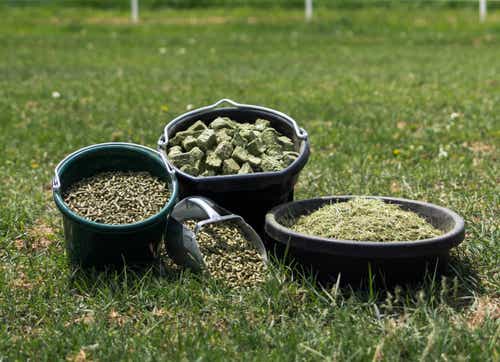
Fresh, green pasture is one of the best natural sources of vitamin E for horses. When horses are grazing consistently, they typically consume higher levels of naturally occurring vitamin E - supporting antioxidant status, muscle function, and overall wellness.
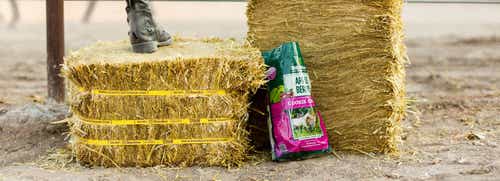
However, once forage is harvested, Vitamin E becomes less stable. After grass is cut and cured into hay, vitamin E levels begin to decline quickly. Exposure to sunlight, oxygen, and time in storage all contribute to this breakdown, meaning even high-quality hay may contain significantly less vitamin E than the pasture it originally came from.
PRACTICAL TAKEAWAY: Horses eating primarily hay or stored forage, especially those with limited access to fresh pasture, often depend on fortified feeds or targeted supplementation to help meet their vitamin E needs year-round.
The Big 5 Benefits of Vitamin E for Horses
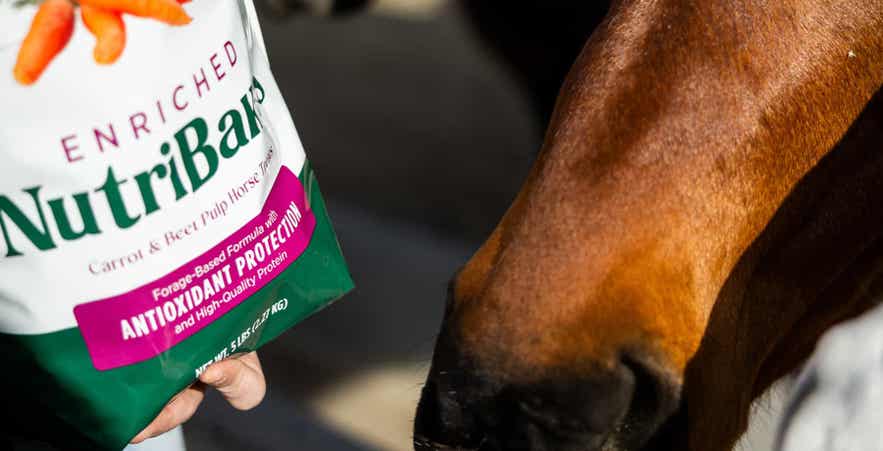
Vitamin E supports multiple systems in the horse’s body, but five key benefits stand out as the most widely recognized - and the most important for everyday health, performance, and long-term wellness.
Antioxidant Protection
First, vitamin E provides essential antioxidant protection. As a powerful antioxidant, vitamin E helps neutralize free radicals, which are unstable molecules that can damage healthy cells. Free radicals are a normal byproduct of metabolism, but they increase when a horse experiences higher levels of physical or environmental stress. Exercise, travel, training, illness, recovery, aging, and even changes in weather or management can all increase oxidative stress in the body. When oxidative stress rises, the body’s antioxidant needs increase as well. Vitamin E helps protect tissues from this damage, which is why horses in work, senior horses, and horses under ongoing stress often have a greater need for adequate vitamin E intake.
Muscle Health & Recovery
Vitamin E is also closely tied to muscle health and recovery. Muscle tissue is particularly vulnerable to oxidative stress, especially in horses that are exercising regularly or being asked to perform at higher levels. Vitamin E plays a role in supporting normal muscle function and helps protect muscle cells from damage that can occur during physical exertion. This is why vitamin E is frequently part of nutrition conversations for performance horses, horses in heavy training, or horses that struggle with soreness or stiffness. While vitamin E is not a cure-all, it is an important nutritional component for supporting muscle function and recovery, especially when paired with a balanced diet and proper conditioning.
Immune Support
Another major benefit is immune support. Vitamin E contributes to normal immune system function, helping the body respond to everyday challenges more effectively. Horses with higher demands - such as seniors, hard keepers, horses in intense training, or horses experiencing stress from travel, weather, or changes in routine - may be more vulnerable to immune challenges. Maintaining adequate vitamin E levels is one way to support the immune system as part of an overall nutrition and management program, helping horses stay healthier and more resilient year-round.
Neurological Support
Vitamin E is also widely discussed for its role in neurological support. Nerve tissue is especially sensitive to oxidative damage, which is one reason vitamin E is often evaluated when neurological concerns arise. Veterinarians commonly assess vitamin E status in horses showing neurological symptoms because vitamin E helps protect nerve tissue, deficiency can be identified through bloodwork, and dietary support may be part of a broader veterinary-guided plan. While supplementation should never be used as a substitute for professional diagnosis, ensuring proper vitamin E intake can be an important step in supporting neurological health when concerns are present. If neurological issues are suspected, testing is always the best starting point.
Skin, Coat & Hair Health
Finally, vitamin E supports skin, coat, and hair health. A shiny coat doesn’t come from one nutrient alone - it reflects the entire diet, hydration, grooming routine, and overall management. However, vitamin E does play a role in supporting normal skin barrier function, cellular integrity, and healthy tissue maintenance. While it isn’t a “shine supplement,” it is part of the nutritional foundation that helps support skin and coat condition, especially in horses that have limited access to fresh pasture where natural vitamin E is highest.
General Vitamin E Guidelines for Horses
Always consult your veterinarian or equine nutritionist before making changes.
Vitamin E needs vary based on workload, forage access, and overall diet, but general daily guidelines often fall into the following ranges:
- Maintenance horses: ~500–1,000 IU per day
- Exercising or higher-demand horses: often 1,000–2,000+ IU per day, depending on workload and diet
- Therapeutic use or deficiency cases: may require higher short-term levels under veterinary direction
Upper Limit Consideration
Around 10,000 IU per day is commonly referenced as an upper safe limit for an average 1,100-pound horse. However, long-term high dosing without professional guidance is not recommended, as excessive vitamin E intake may interfere with other fat-soluble vitamins.
Bottom line: More is not always better, balance and consistency matter most.
Natural vs. Synthetic Vitamin E for Horses
Feed labels can be confusing, but understanding the difference between natural and synthetic vitamin E can help you make a more informed choice, especially if your horse has higher needs or limited pasture access.
Natural vitamin E is typically listed on ingredient labels as d-alpha-tocopherol. This form is considered more bioavailable, meaning the horse’s body is generally able to absorb and utilize it more efficiently. Because of this, natural vitamin E is often the preferred option when supplementation is needed.
Synthetic Vitamin E is usually listed as dl-alpha-tocopherol. It can still be used by the horse’s body, but it is generally considered less bioavailable than the natural form, meaning it may not provide the same impact at the same dosage.
LABEL TIP: If you see “dl-” (with a small “l”), it indicates the synthetic form. Many fortified feeds use synthetic vitamin E, or a blend of both, for cost and practicality, which is why label reading matters when evaluating how much vitamin E your horse is truly receiving.
What About Water-Soluble Vitamin E for Horses?
Vitamin E is naturally a fat-soluble vitamin, meaning it is typically absorbed along with dietary fat. However, some vitamin E products are specially processed to become micellized and water-dispersible, which can improve absorption and make it easier for the horse’s body to utilize quickly.
This form is most commonly used in situations where vitamin E needs are higher or more urgent, such as when a horse is severely deficient, when rapid correction is needed, or when a veterinarian recommends a more aggressive supplementation approach as part of a treatment plan. Because it absorbs more efficiently, water-dispersible vitamin E is often favored in therapeutic cases, but it also tends to come with a higher price tag.
IMPORTANT NOTE: Vitamin E is naturally fat-soluble, but some products are formulated to be water-dispersible (micellized) for improved absorption. Many liquid vitamin E supplements marketed for horses fall into this category, but not all. Some liquid products may still be oil-based and behave like traditional fat-soluble vitamin E. Because product formulations can vary, it’s important to read labels carefully and confirm the form with your veterinarian when selecting a supplement for specific needs.
How Do You Know If Your Horse Needs More Vitamin E?
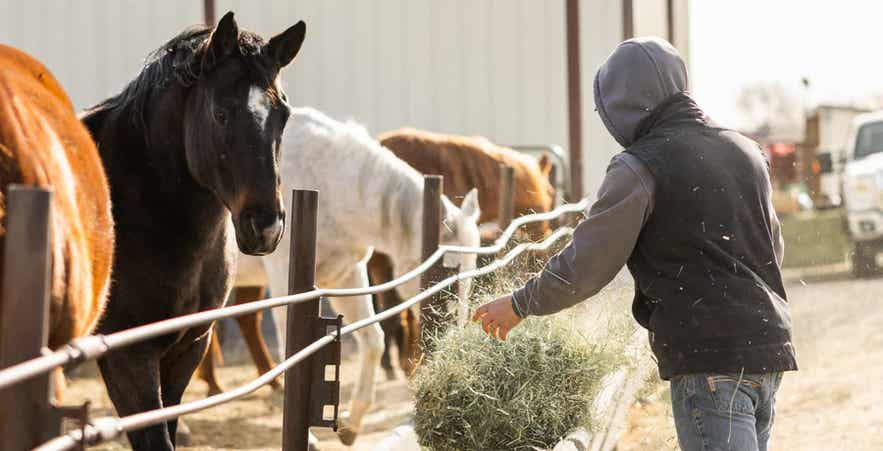
There isn’t a simple visual checklist for vitamin E status. While some nutrient deficiencies may show outward signs over time, vitamin E levels aren’t something you can reliably evaluate just by looking at a horse’s coat, weight, or attitude.
One reason vitamin E is discussed so often is because it can be measured through blood testing, which is why many veterinarians recommend testing before heavy supplementation, especially if a horse is showing performance changes, muscle concerns, or neurological symptoms. Testing provides a clearer starting point and helps ensure supplementation is targeted, appropriate, and effective. A ration analysis is another way to assess whether a horse's daily Vitamin E intake is adequate, as it compares the Vitamin E content of the diet to the horse's daily requirement.
The Forage-Based Takeaway: Evaluating Vitamin E with Confidence
Vitamin E needs are highly individual, and your horse’s workload, forage source, and overall management program all play a role. If your horse has limited access to fresh pasture, is a senior, travels frequently, is in consistent training, has neuromuscular or neurological concerns, or is on a forage-only diet without a fortified feed, it may be worth discussing vitamin E evaluation with your veterinarian. When in doubt, blood testing can provide peace of mind and help guide supplementation decisions based on real data - not guesswork.
At Standlee, we believe forage-based nutrition is the foundation of every equine feeding program. High-quality forage supports digestive health, which in turn supports nutrient absorption across the board. Vitamin E is a strong example of how pasture access, forage quality, and total diet design work together.
How forage is grown, harvested, and stored also plays a meaningful role in nutrient retention. Standlee forage is produced in a naturally dry climate, allowing alfalfa and grasses to dry quickly after cutting and spend less time exposed to direct sunlight. Once baled, forage is moved under cover as soon as possible. This matters because sunlight is one of the primary drivers of vitamin E and vitamin A breakdown in stored forage. By minimizing field exposure and protecting forage after harvest, Standlee helps preserve more of these naturally occurring, light-sensitive nutrients compared to hay that remains in the field longer. Internal forage analyses have shown measurable levels of naturally occurring vitamin E and vitamin A across both alfalfa and grass products, reinforcing the value of consistent, well-managed forage as part of a complete feeding program.
When fresh pasture isn’t available, evaluating forage quality - not just quantity - is an important step in ensuring your horse’s nutritional needs are being met.
Frequently Asked Questions
Does Vitamin E help a horse's coat?
It supports skin and cellular health, but coat quality depends on the entire diet and management.
Is synthetic vitamin E bad for horses?
No, it's just less bioavailable than natural forms.
Should I supplement Vitamin E automatically for horses?
Not necessarily. Testing and professional guidance are best.
Additional Learning Resources
From the Standlee Barn Bulletin Blog
- Ensure Your Performance Horse is Getting the Right Amount of Vitamins & Minerals
- Feeding the Performance Horse
From the Standlee Beyond the Barn Podcast
- Ep. 087: Is Your Horse Deficient? The Critical Role of Vitamin A and E in Their Diet
- Ep. 069: The Consequences of Ignoring Vitamins & Minerals for Horses
- Ep. 061: The Key to Getting the Most Out of Your Horse Pasture
From the Standlee Nutritional Papers:
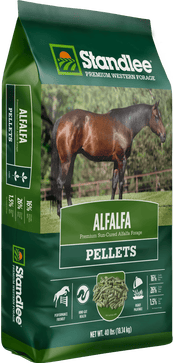
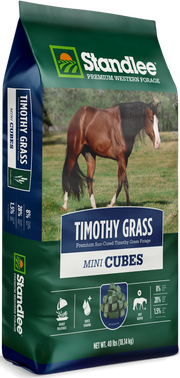
Products featured in this post
Enjoying the Standlee blog?
Subscribe to Standlee emails and get our newest content (and coupons, offers, and other great stuff) sent to your inbox!
Subscribe Now