Understanding Goat Dehydration: Causes, Symptoms, and Solutions
Whether you raise dairy goats, meat goats, or a backyard herd, understanding goat dehydration and how to prevent it is key to your animals' wellbeing, especially during the hotter months. Goat hydration is more than just keeping water buckets full. It's about creating the right environment, feeding the right forage, and staying alert to the signs your goat might be in distress. In this article, we'll walk you through what causes dehydration, how to spot it early, and what you can do to help your goats stay hydrated, healthy, and thriving.
Key Takeaways
- Goats can become dehydrated quickly during hot weather, illness, parasite challenges, or when water intake decreases.
- Common signs of dehydration include lethargy, reduced appetite, dry gums, sunken eyes, and decreased urination.
- Providing constant access to clean, fresh water is one of the most important steps in supporting goat health and hydration.
- High-quality forage and hydrated feeds, such as soaked beet pulp, can help support overall hydration and digestive health.
- Proactive management during periods of heat and stress can help keep goats healthy, comfortable, and productive year-round.

Join Our Email List Today!
Be the first to get the latest news, promotions, updates and more from Standlee when you join our email list!
By signing up for email, you are agreeing to receive news, offers, and information from Standlee Premium Products, LLC®. You can also visit our Privacy Policy. Easy unsubscribe links are provided in every email.
Why Hydration Is Critical for Goat Health
Water plays a crucial role in supporting optimal goat health. Inadequate hydration can affect digestion, nutrient absorption, milk production, and the overall well-being and productivity of the herd.
The Role of Water in the Goat's Body
Aiding in digestive function, water is essential for proper rumen function by helping maintain gut motility and nutrient utilization. Proper hydration allows goats to efficiently utilize the nutrients provided in forage and feed through the transportation of those nutrients throughout the body. Hydration supports immune function and can help goats cope with environmental stressors and other health challenges they may face, while also encouraging consistent feed intake. Goats that maintain proper water intake are more likely to maintain normal forage and feed consumption.
Water is one of the primary components of milk. Lactating does have a significantly higher water requirement to maintain optimal milk production.
Why Goats Are Sensitive to Dehydration
Due to limited water reserves, goats have relatively little tolerance for fluid loss, particularly young kids and lactating does. Heat stress and illness can cause rapid fluid loss. Conditions like diarrhea (scours), fever, and some infections can lead to dehydration in a short period of time.
How Much Water Does a Goat Need?
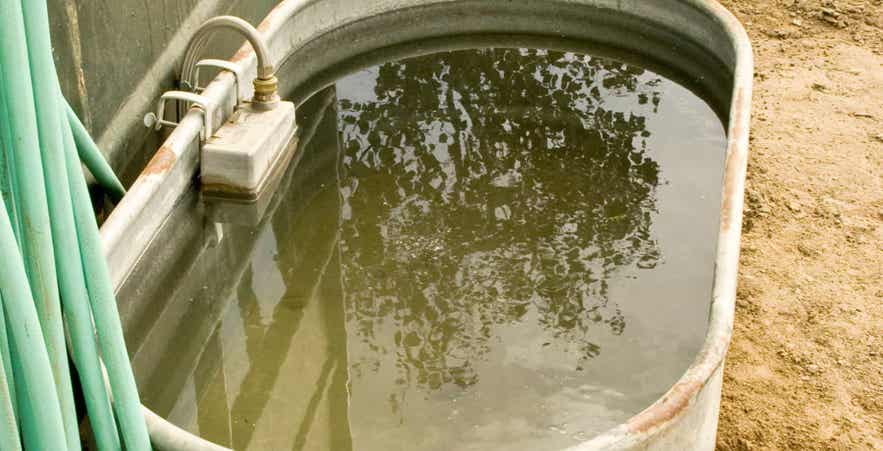
Because water intake can fluctuate significantly, it is important to provide goats with continuous access to clean, fresh water and monitor consumption patterns. A sudden decrease in water intake may indicate dehydration, illness, stress, or a problem with water quality.
Average Daily Water Requirements
- Adult goats: 1–3 gallons of water per day
- Lactating does: 2–4+ gallons per day, depending on milk production and environmental conditions
- Growing kids: generally less than adults but still require continuous access to fresh water
Factors That Affect Water Intake
Issues like diarrhea (scours), internal parasites, or bacterial infections can lead to rapid fluid loss. These conditions are especially dangerous in warm weather, when the risk of goat dehydration is already elevated. Stay proactive with health checks and parasite control.
How Summer Heat Changes Water Needs
Hot weather can significantly increase a goat's water requirements. As temperatures rise, goats lose more fluids through respiration as they work to regulate body temperature, making adequate hydration even more important. During periods of heat, goats may drink substantially more water than they do under moderate conditions.
Common Causes of Dehydration in Goats
Dehydration in goats can occur year-round, but it's especially common during the summer. Knowing how to support goat hydration is critical during long stretches of high temperatures and humidity.
Heat Stress and High Temperatures
Goats don't sweat effectively, so when temperatures soar, they can quickly lose fluids through panting and respiration. Goats exposed to direct sun without access to shade or kept in poorly ventilated shelters are at much higher risk of dehydration. One of the best summer care tips for goats in hot climates is to provide continuous access to shade, airflow, and cool, clean water.
Health Conditions
Issues like diarrhea (scours), internal parasites, or bacterial infections can lead to rapid fluid loss. These conditions are especially dangerous in warm weather, when the risk of goat dehydration is already elevated. Stay proactive with health checks and parasite control.
Inadequate Water Access
Goats are picky drinkers. They may turn up their noses at stale, dirty, or unfamiliar water sources. Make sure they always have access to cool, clean water — especially during heat waves, after kidding, or while traveling.
Water Quality and Palatability Issues
Goats may refuse water that is dirty, stale, too warm, frozen, or unfamiliar. It is not uncommon for a reduction in water intake to occur even when water is offered.
Transportation and Environmental Stress
Hauling, showing, breeding, weaning, overcrowding, and other stressors like changes in their routine can often decrease water intake and increase the risk of dehydration.
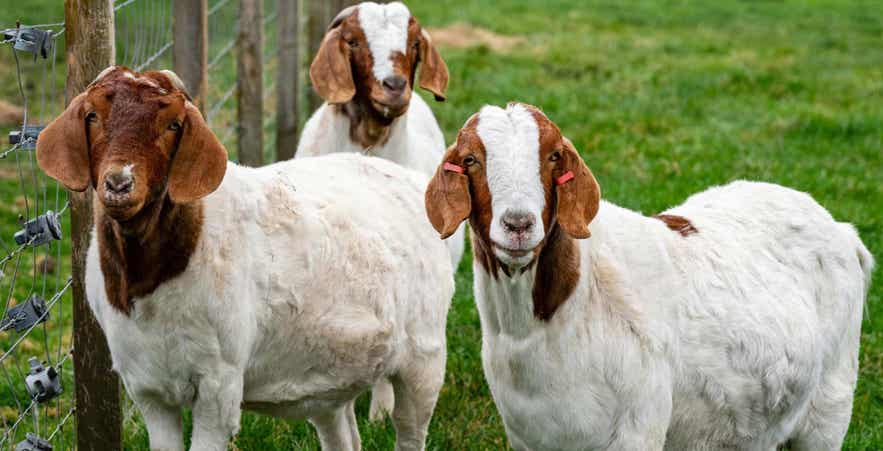
Signs of Dehydration in Goats
Early Signs
- Reduced appetite
- Mild lethargy
- Increased water seeking
Moderate Signs
- Dry mouth
- Sticky gums
- Sunken eyes
Severe Signs
- Weakness
- Collapse
- Refusal to eat or drink
How to Perform the Skin Pinch Test
To quickly assess your goat's hydration status, you can use the skin pinch test. Gently pinch a small fold of skin on the neck or shoulder area. Lift the skin slightly away from the body and then release it.
- Hydrated goat: skin should return to its normal position almost immediately.
- Mild dehydration: skin may take a few seconds to flatten
- Moderate to severe dehydration: skin remains tented or returns very slowly.
Results can be affected by factors like age, body condition, or skin elasticity. The test should not be used as the sole method of determining hydration status but used alongside other signs. A veterinarian should be contacted immediately if an animal is showing severe signs or appears weak or unwilling to drink.
Heat Stress and Dehydration: Understanding the Connection
In general, goats are more heat tolerant than other livestock species, but when exposed to high temperatures, humidity, and direct sunlight for prolonged amounts of time they can undergo significant stress. Heat stress happens when the body is unable to regulate its internal temperature. As the temperature rises, goats increase their respiratory rate and look for other ways to cool themselves. Fluid loss can outpace water intake in extreme environmental conditions, leading to dehydration and potentially more serious health concerns.
Common Signs of Heat Stress
- Increased panting or rapid breathing
- Open-mouth breathing
- Lethargy or reduced activity
- Seeking shade and avoiding movement
- Reduced appetite
- Increased water consumption
- Elevated body temperature
- Excessive drooling
Goats may become weak, stumble, or collapse in severe cases. The appearance of these symptoms or other signs of distress require immediate veterinary attention.
Preventing Heat Stress in Goats
Natural shade from trees or access to shelters can help goats avoid direct sunlight during the hottest part of the day. Always ensure access to water and adequate airflow within barns and shelters. Adjustments to feeding times can encourage feed intake during periods of extreme stress.
How to Rehydrate a Dehydrated Goat
If you suspect your goat is dehydrated, don't wait. Take these steps to help them rehydrate safely.
Encourage Water Intake
Always ensure that goats have constant access to clean, fresh, and cool water. Because goats may refuse dirty or stale water, check and clean water tanks or buckets regularly.
Offer Electrolytes
Electrolyte solutions are a great first step to restore mineral balance and encourage fluid intake. You can buy a commercial goat electrolyte or create your own by mixing:
- 1 tablespoon goat-safe salt
- 1 tablespoon baking soda
- 1 cup sugar (per gallon of clean water)
Always offer plain water alongside the electrolyte mix so goats can choose what they need.
Monitoring Recovery
Monitor goats for water consumption and normal feeding behavior. When monitoring, look for improvements in alertness, activity level, and appetite. Also check for improvements in hydration indicators, such as moist gums and normal skin elasticity. Even when a goat has returned to adequate hydration, continue to observe for several days to ensure hydration levels remain stable.
Know When to Call the Vet
If your goat is unresponsive, refuses to drink, is battling persistent scours, or you suspect an underlying illness is contributing to dehydration, reach out to your veterinarian immediately. Goat dehydration can escalate quickly without intervention.
The Role of Forage and Fiber in Goat Hydration and Digestive Health
Forage is the foundation of a healthy goat diet and plays an important role in supporting not only hydration, but digestive function and overall health.
How Forage Stimulates Saliva Production
Goats naturally produce saliva through chewing, particularly forage. Saliva lubricates feed and supports the digestive process and a healthy rumen. Long-stem forage and fiber encourage chewing activity and saliva production throughout the day.
Why Fiber Supports Rumen Function
The rumen relies on a consistent supply of fiber to function properly. Fiber helps support normal rumen fermentation, allowing beneficial microbes to break down feed and make nutrients available to the animal. Without adequate fiber, digestive efficiency and overall health can be compromised.
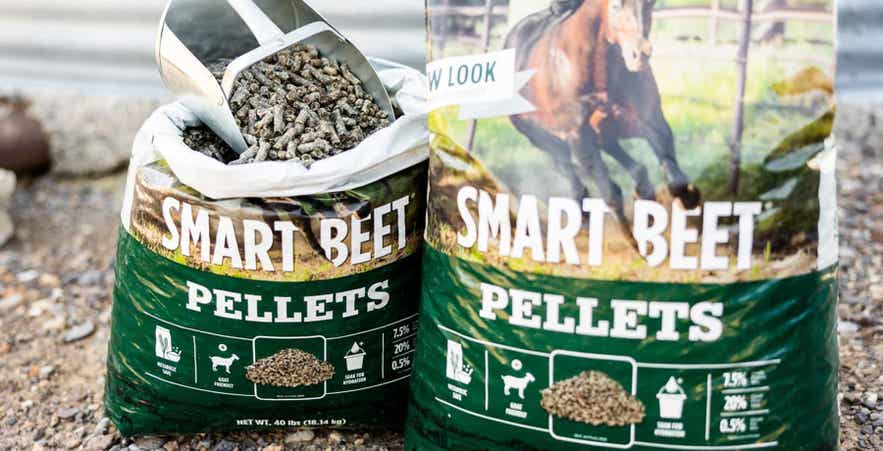
Soaked Beet Pulp and Hydration Support
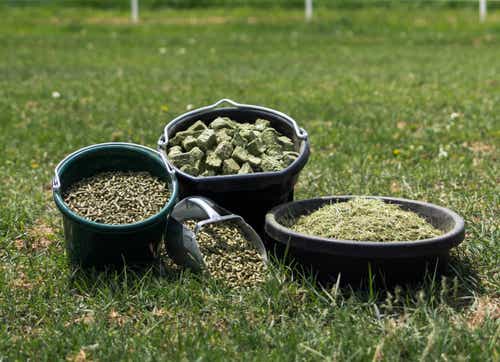
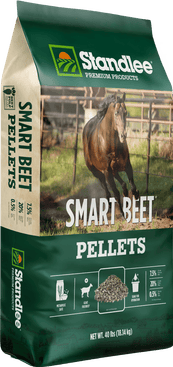
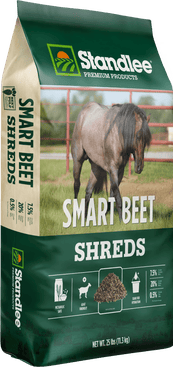
Soaked beet pulp can be a valuable addition to feeding programs, particularly during periods of hot weather or when additional digestible fiber is desired. Because beet pulp absorbs water during soaking, it can help increase moisture intake while providing a highly digestible source of fiber.
Keep Your Herd Hydrated All Year Long
At Standlee, we know that hydration is the foundation of good health — not just during a heatwave, but every day. A well-hydrated goat is better able to digest forage, regulate body temperature, and resist illness.
Dehydration can develop quickly in goats, especially during periods of heat, stress, illness, or increased production demands. By providing constant access to clean water, recognizing the early signs of dehydration, and supporting overall health with quality forage and proper management, goat owners can help keep their herds healthy, hydrated, and productive year-round.
Frequently Asked Questions
How long can a goat go without water?
While the exact timeframe varies based on age, health status, diet, and environmental conditions, goats can begin experiencing the effects of dehydration within a matter of hours when water intake is restricted, especially during hot weather.
What are the first signs of dehydration in goats?
The first signs of dehydration in goats often include reduced appetite, lethargy, dry or tacky gums, sunken eyes, and decreased skin elasticity. Recognizing these early warning signs and addressing hydration concerns promptly can help prevent more serious health complications.
Can dehydration cause a goat to stop eating?
Yes. Dehydration can reduce a goat's appetite and lead to decreased feed intake, particularly during periods of heat stress or illness.
Is beet pulp good for goats during hot weather?
Beet pulp can be a beneficial addition to a goat's diet during hot weather because it provides highly digestible fiber, and when soaked, can help increase moisture intake. While it should not replace fresh drinking water, soaked beet pulp can be a useful tool for supporting hydration and digestive health during periods of heat stress.
Do baby goats become dehydrated faster than adults?
Young goats are generally more susceptible to dehydration than adults because they have smaller body reserves and can lose fluids more quickly during hot weather, illness, or digestive upset.
Should goats receive electrolytes during heat waves?
Electrolytes can be beneficial during periods of extreme heat, particularly for goats experiencing heat stress, increased fluid loss, or reduced water intake. Electrolytes should supplement, not replace, access to clean, fresh water. Plain water should always be available alongside any electrolyte solution.
Additional Learning Resources
From the Standlee Barn Bulletin Blog
- What Do Goats Eat? Complete Goat Nutrition & Feeding Guide
- Nutritional Disorders in Goats: Signs & Prevention
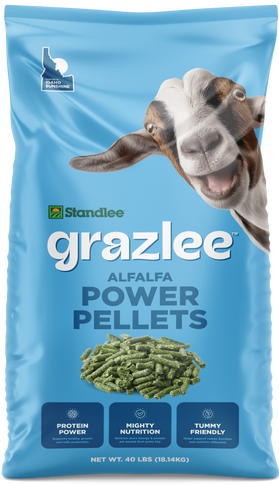
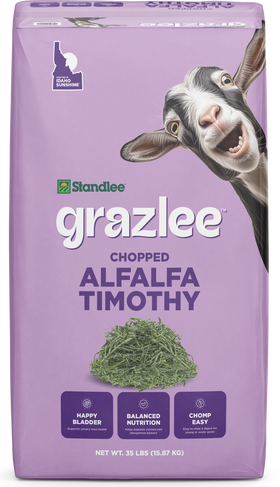
- Grazlee: Forage-Based Nutrition for Goats & Livestock
- Feeding Goats in Winter: Smart Forage & Nutrition Strategies
From the Standlee Beyond the Barn Podcast
Products featured in this post
Enjoying the Standlee blog?
Subscribe to Standlee emails and get our newest content (and coupons, offers, and other great stuff) sent to your inbox!
Subscribe Now