Nutritional Disorders in Goats: What to Watch for and How Forage-Based Feeding Helps Prevent Them
Goat ownership continues to grow across the United States, from backyard herds and companion animals to dairy goats and small-scale livestock operations. While goats are adaptable and efficient foragers, they are also highly sensitive to dietary imbalances. Many of the most common health issues seen in goats stem not from disease, but from nutrition-related challenges that can often be prevented with proper feeding management.
Understanding how a goat’s digestive system functions – and why forage plays such a critical role – is the foundation for avoiding nutritional disorders. When goats receive consistent access to quality forage and dietary changes are made gradually, many digestive and metabolic issues can be avoided altogether.
Understanding Goat Digestion and the Importance of Forage
Goats are ruminant animals with a four-compartment stomach designed to break down fibrous plant material. The rumen, which is the largest compartment, houses billions of beneficial bacteria and protozoa that ferments fiber and convert it into energy, vitamins, and volatile fatty acids. This microbial fermentation process fuels nearly every aspect of a goat’s health, from growth and milk production to immune function.
Because this system relies so heavily on microbial balance, it can be easily disrupted. Diets that contain too much grain, sudden feed changes, or inconsistent forage availability can shift the rumen environment, allowing harmful bacteria to thrive. When this balance is disturbed, goats become vulnerable to nutritional disorders that affect the nervous system, digestive tract, and urinary system.
A forage-based feeding approach helps stabilize rumen function and supports long-term health across all life stages.
Thiamine Deficiency (Polioencephalomalacia) in Goats

Thiamine deficiency, commonly referred to as polioencephalomalacia (PEM), is a neurological disorder caused by inadequate levels or activity of vitamin B1. In healthy goats, thiamine is produced naturally by rumen microbes. When rumen fermentation is disrupted, thiamine production can decrease or enzymes may be produced that interfere with thiamine utilization.
This disorder is most often associated with high-grain diets, sudden dietary changes, or stress events that alter rumen microbial populations. Young goats and does receiving excessive sweet feed or concentrates are particularly at risk.
Goats affected by thiamine deficiency may appear uncoordinated or disoriented, often described as looking “drunk”. As the condition progresses, goats become blind, struggle to stand, press their heads against objects, or experience seizures. Without proper treatment, the condition can be fatal.
Preventing thiamine deficiency begins with maintaining adequate forage intake. At least half of the total diet should come from quality forage sources, with grain introduced slowly and only when necessary. Using premium forage to meet energy demands reduces reliance on high levels of concentrate and helps preserve rumen health.
Ruminants Acidosis in Goats
Ruminal acidosis occurs when goats consume excessive amounts of starch or sugar, leading to rapid fermentation and the production of lactic acid in the rumen. As rumen pH drops, beneficial microbes are damaged, digestion becomes inefficient, and toxins may be released into the bloodstream.
This condition is commonly seen when grain is fed at high levels or increased too quickly, especially when effective fiber is lacking. Goats experiencing acidosis often show reduced appetite, diarrhea, decreased cud chewing, lethargy, or signs of abdominal discomfort such as kicking at the belly.
Most goats consume approximately three to four percent of their body weight in total feed each day. For a 100-pound goat, this equates to roughly three to four pounds of feed daily. Grain intake should typically be limited to no more than one to one-and-a-half pounds per day, depending on production demands.
Preventing acidosis relies on balancing energy needs with sufficient fiber intake. Forage should remain the primary calorie source, while grain is used strategically and divided into smaller, consistent meals. Alternative forage forms such as pellets or cubes can help maintain fiber intake when pasture quality declines.
Urinary Calculi in Bucks and Wethers
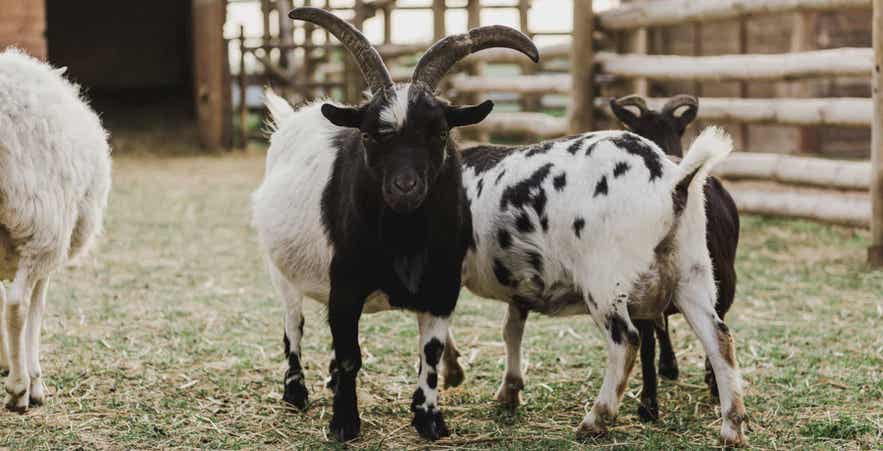
Urinary calculi are mineral stones that form in the urinary tract and can lead to life-threatening blockages, particularly in male goats. Bucks and wethers are at higher risk due to their long, narrow urethra, which makes it easier for stones to become lodged.
These stones most commonly form when diets are high in grain and improperly balanced for minerals, particularly calcium and phosphorous. Low water intake, especially during colder months, further increases risk by concentrating minerals in the urine.
Goats with urinary calculi may strain to urinate, vocalize pain, dribble urine, or show signs of abdominal discomfort. In many cases, the condition worsens rapidly and requires immediate veterinary intervention.
Prevention focuses on providing free-choice, high-quality forage, limiting grain intake, ensuring constant access to fresh water, and maintaining proper mineral balance. Supplying good-quality green forage or well-preserved hay also support adequate vitamin A intake, which plays a role in urinary tract health.
Why Forage-Based Feeding Helps Prevent Nutritional Disorders
Across all three main disorders, insufficient or inconsistent fiber intake is a common contributing factor. Forage supports rumen microbial stability, promotes cud chewing and saliva production, and delivers steady energy without overwhelming the digestive system. Proper hydration also plays a critical role in digestive function, as water supports rumen fermentation, nutrient transport, and overall metabolic health. In situations where goats may be under-consuming water - such as during cold weather, stress events, or illness - soaking forage products can help increase moisture intake while maintaining essential fiber consumption.
When goats receive consistent access to quality forage, they are less reliant on grain-based feeds to meet energy needs. This reduces fluctuations in rumen pH, supports nutrient absorption, and lowers the risk of digestive upset.
Using Alternative Forage Forms for Goats
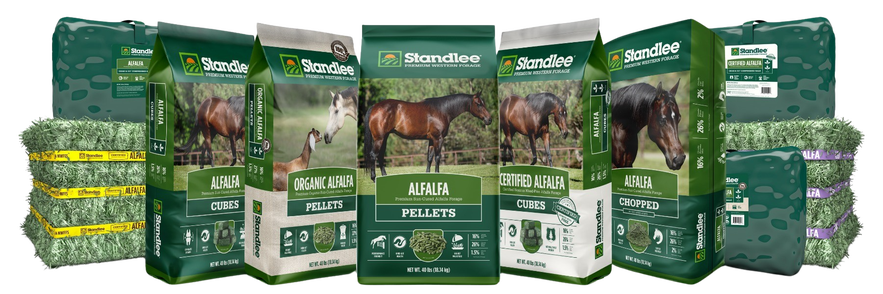
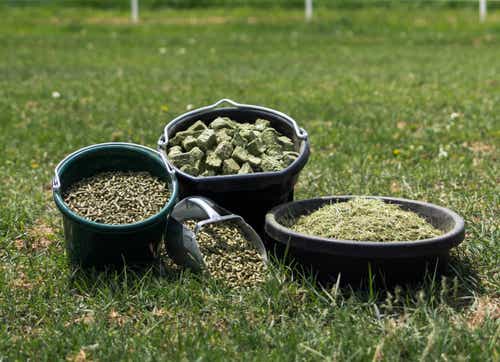
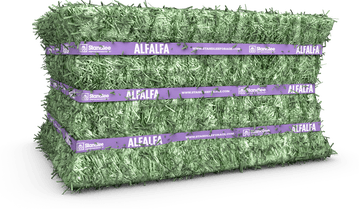
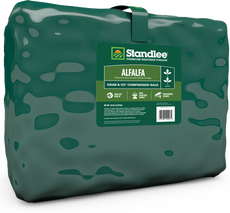
When pasture availability is limited or long-stem hay quality is inconsistent, alternative forage forms can help maintain fiber intake. Forage pellets provide a uniform, easy-to-measure option that works well for small herds. Forage cubes offer consistent quality with reduced waste, while chopped forage helps extend feeding time and minimize sorting. Standlee’s Alfalfa Products offer high-quality, sun-cured forage in convenient formats that support consistent nutrition and palatability for goats.
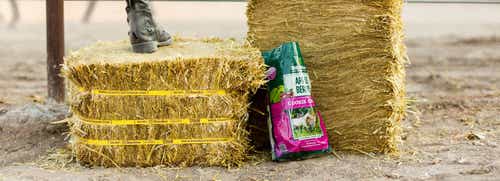
Bagged or compressed forage options allow goat owners to provide reliable nutrition year-round, regardless of weather or growing conditions. These forage formats are not a replacement for forage – they are simply forage in a different, more manageable form.
Final Takeaway: Feed the Rumen First
Most nutritional disorders in goats are preventable through thoughtful feeding programs that emphasize forage, consistency, and gradual dietary changes. By supporting rumen health and understanding early warning signs, goat owners can promote healthier animals, reduce veterinary emergencies, and improve overall herd performance.
Forage remains the foundation of proper goat nutrition, regardless of herd size or production goals.
RESOURCES USED (from original blog – 2019 by Dr. Tania Cubitt):
- The Merck Veterinarian Manual. (2006). Polioencephalomalacia: Introduction (cerebrocortical necrosis). Whitehouse Station, NJ: Merck & Co., Inc
- Braun, U., Rihs, T., Schefer, U. (1992) Ruminal lactic acidosis in sheep and goats Veterinary Record 130, 343-349.
- Nwaokorie EE, Osborne CA, Lulich JP. Risk factors for calcium carbonate urolithiasis in goats. J Am Vet Med Assoc 2015;247:293–299.
Frequently Asked Questions About Goat Nutritional Disorders
What are the most common nutritional disorders in goats?
The most common nutritional disorders in goats include thiamine deficiency (polioencephalomalacia), ruminal acidosis, and urinary calculi. These conditions are typically linked to excessive grain feeding, sudden diet changes, inadequate forage intake, or improper mineral balance. A forage-first feeding approach helps reduce the risk of these disorders.
How much forage should goats eat each day?
Goats generally consume about three to four percent of their body weight in total feed each day, with forage making up the majority of that intake. For example, a 100-pound goat will typically eat three to four pounds of feed daily. Consistent access to quality forage supports rumen health and proper digestion.
Can feeding too much grain harm goats?
Yes. Overfeeding grain is one of the leading causes of digestive disorders in goats. High levels of starch and sugar can disrupt rumen fermentation, leading to acidosis or thiamine deficiency. Grain should be fed in moderation and introduced gradually, with forage remaining the primary diet component.
How can I help prevent urinary calculi in goats?
Urinary calculi prevention starts with proper nutrition and hydration. Providing free-choice, high-quality forage, maintaining balanced mineral ratios, limiting grain intake, and ensuring constant access to fresh water are key management strategies - especially for bucks and wethers.
Do goats need long-stem hay, or can alternative forage forms work?
While long-stem hay is beneficial, goats can also thrive on alternative forage forms such as pellets, cubes, chopped forage, or bagged forage. These options provide consistent fiber intake and can be especially helpful when pasture or traditional hay is limited.
How should I transition my goat to new feed or forage?
All diet changes should be made gradually over a 7–10 day period. Slowly introducing new forage or concentrates allows rumen microbes to adjust and helps prevent digestive upset or nutritional disorders.
Additional Learning Resources
From the Standlee Barn Bulletin Blog
- Understanding Goat Dehydration: Causes, Symptoms, & Solutions
- What do goats eat by Deborah Niemann
- What Do My Goats Need in Their Diet to Be Healthy?
- Feeding Goats in Winter: Smart Forage & Nutrition Strategies
- 4 Tips for Managing and Feeding Goats in the Fall
- What to consider when picking hay to feed dairy goats
- Standlee Feed Options for Horses, Goats, Pigs, Cattle & Sheep
From the Standlee Beyond the Barn Podcast
- Ep. 036: How to Feed Goats with Extension Educator, Carmen Willmore
- Ep. 076: Raising Sheep and Goats – How They’re the Same and How They’re Different
From the Standlee Nutritional Papers:
Products featured in this post
Enjoying the Standlee blog?
Subscribe to Standlee emails and get our newest content (and coupons, offers, and other great stuff) sent to your inbox!
Subscribe Now