Understanding Goat Dehydration: Causes, Symptoms, and Solutions
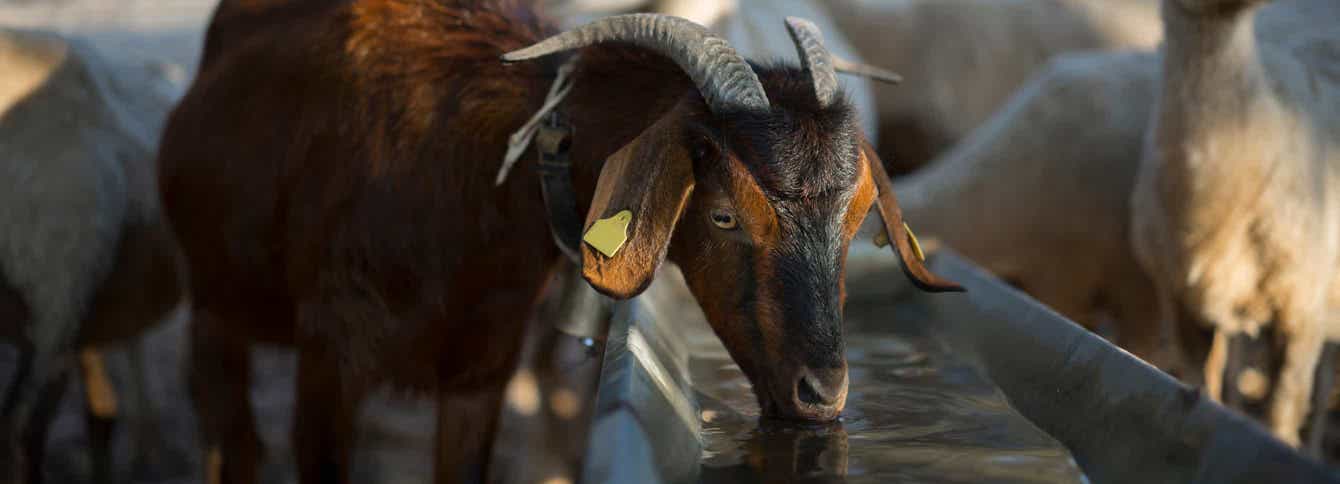
At Standlee, we’re passionate about helping livestock owners care for their animals with confidence, and that includes our goat-loving community. Whether you raise dairy goats, meat goats, or a backyard herd, understanding goat dehydration and how to prevent it is key to your animals’ wellbeing, especially during the hotter months. Goat hydration in summer heat is more than just keeping water...
The Scoop on Hay Cubes for Horses: Benefits, Nutrition, and How to Feed Them
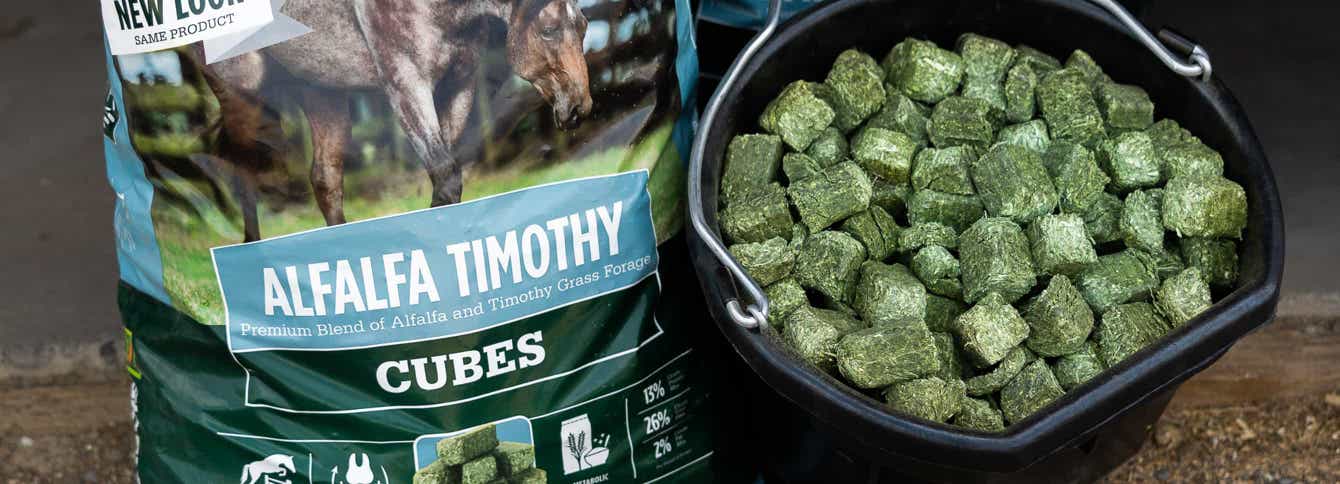
Are you curious about forage cubes for horses and how they compare to traditional hay? Whether you’re a new horse owner or a seasoned pro, understanding the benefits of high-quality forage cubes can help you make informed feeding decisions. What Are Hay Cubes and How Are They Made? Unlike pellets, hay cubes maintain the integrity of the forage’s natural fiber length, which is why they count as...
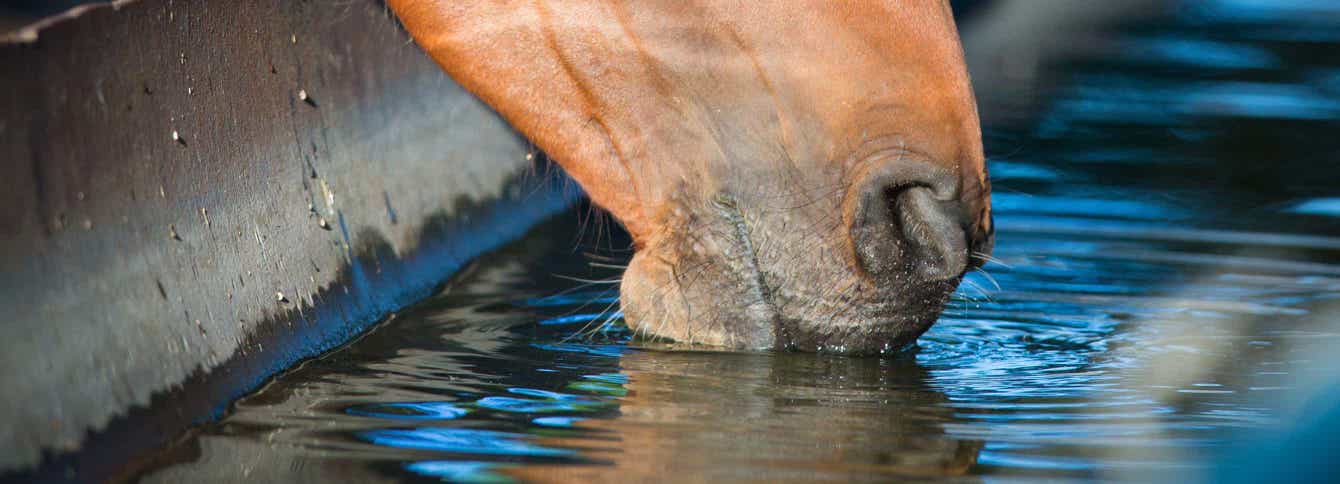
Fuel, Fiber, and Fluids: The Secret to Keeping Horses Hydrated
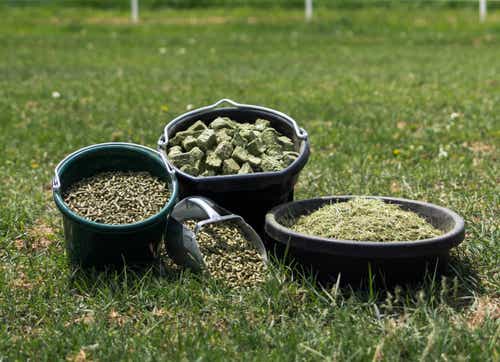
When summer heat rolls in, keeping your horse hydrated becomes more than just a good practice - it’s essential for their health, safety, and performance. Dehydration in horses can lead to serious consequences, from reduced stamina and sluggish recovery to digestive issues and even colic. But while clean water and electrolytes are obvious must-haves, many horse owners overlook one of the most...
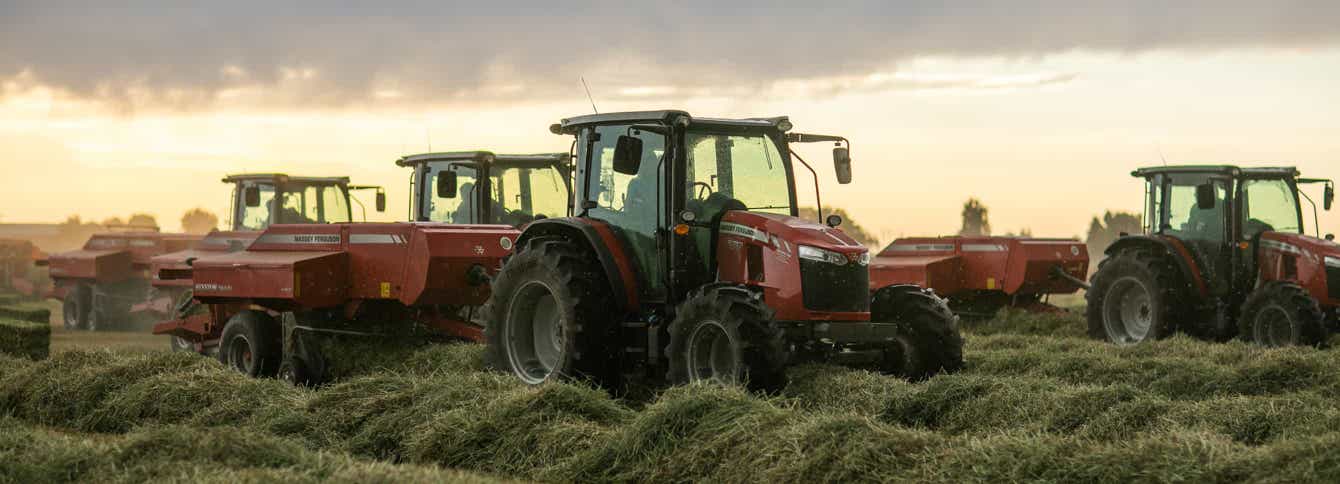
From Field to Feeder: The Story Behind Standlee and Our Premium Forage
In the early 1980s, in the heart of southern Idaho’s ag country, a young farmer named Mike Standlee had a vision. He saw a need for something better, more consistent and dependable forage that delivered reliable nutrition no matter the time of year or region of the country. With just $900, a strong back, and a passion for farming, he set out to build something that didn’t yet exist. It's a...
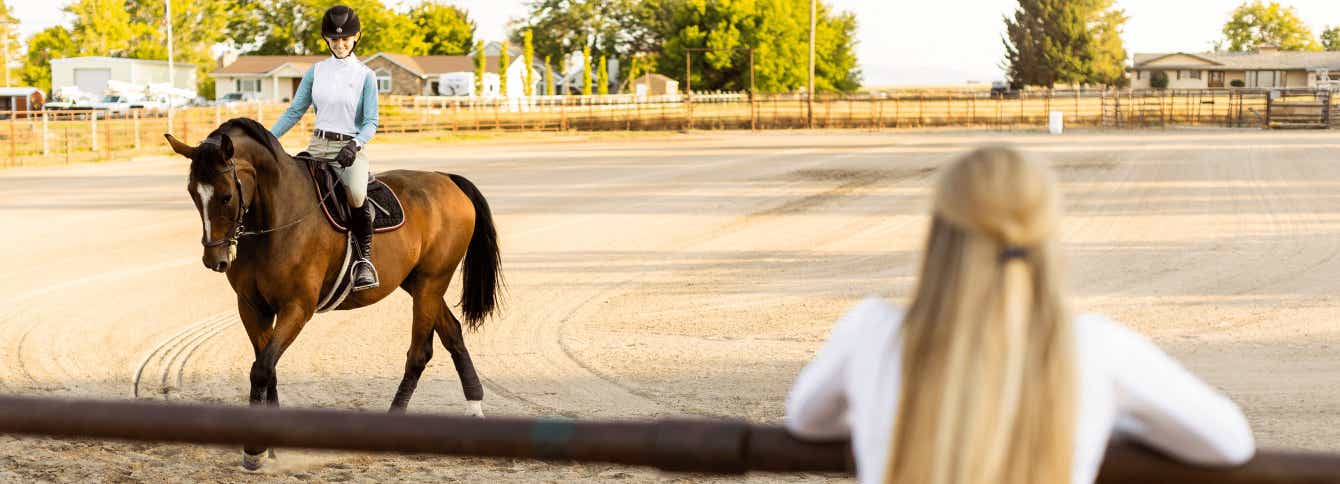
Feeding the Performance Horse
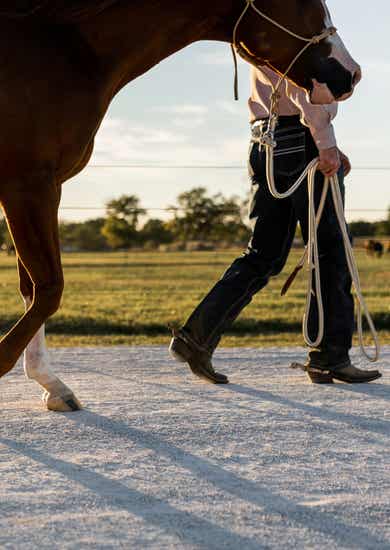
What makes a horse a performance horse? Performance is “loosely” defined as any form of work or forced physical activity. Work or physical activity can include walking, trotting, cantering, running, jumping, and turning. Therefore, a performance horses can include any horse that is actively ridden, trained or that may carry or pull a load. With this broad definition of performance, many of us have...
Enjoying the Standlee blog?
Subscribe to Standlee emails and get our newest content (and coupons, offers, and other great stuff) sent to your inbox!
Subscribe Now