Cresty Neck – A Precursor to Metabolic Disease in Horses
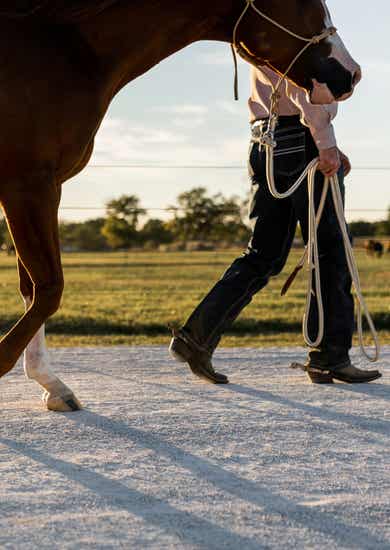
Obesity is associated with insulin resistance in horses and ponies. Overweight horses also have an increased risk of laminitis, and overweight mares have decreased reproductive function. Human studies show that regional fat deposition, such as abdominal fat, is more predictive of metabolic disease than overall body fat. Currently, the most common system for assessing a horse’s fatness is using...
Hay Storage for Safety and to Prevent Losses
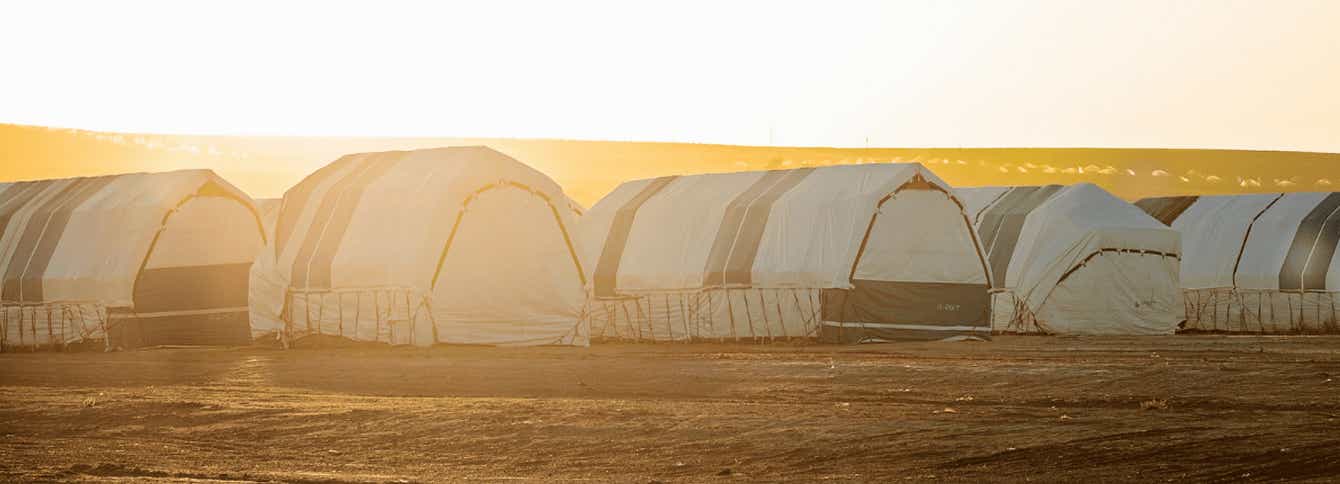
Forage (fiber) is the most important part of any horse’s diet. The majority of horses get their forage requirements from hay. Most horse owners go to great lengths to ensure their horse grain is stored in a secure location, but hay storage is not always held to the same standards. When it comes to hay storage, there are a few things horse owners can do to help guarantee their hay will stay in good...
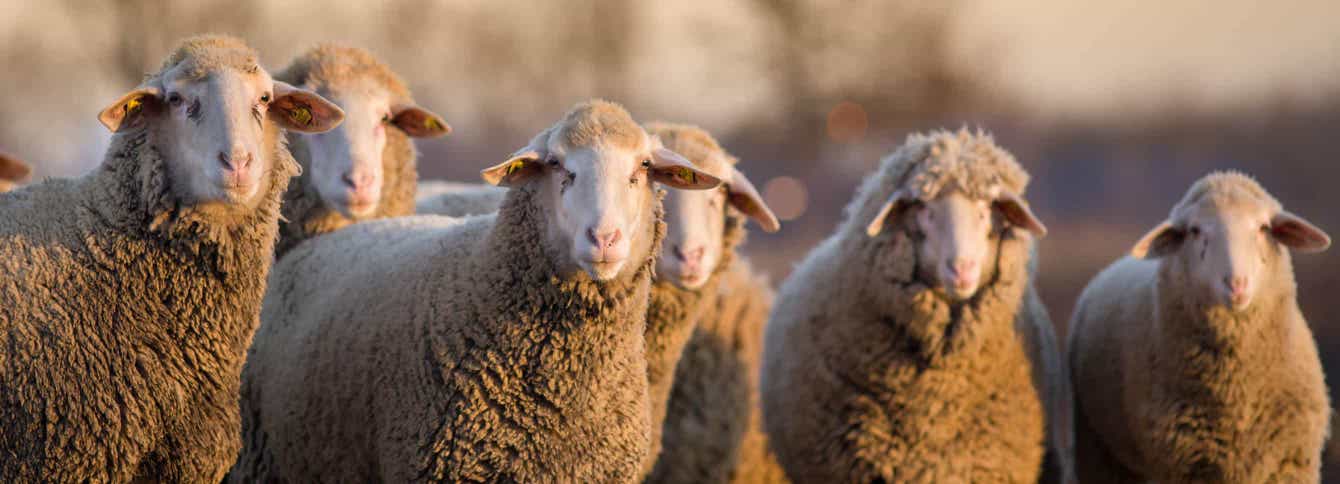
Feeding Sheep – What You Need to Know About Forage and Winter
Sheep are ruminant animals, like cattle, meaning they have a four-compartment stomach designed to ferment and digest plant fiber (pasture/hay). The four-compartment stomach retains fiber long enough so bacteria and other microorganisms can ferment and digest it. This fiber digestion process features rapid fiber intake, followed by hours of regurgitating, re-chewing and re-swallowing of the...
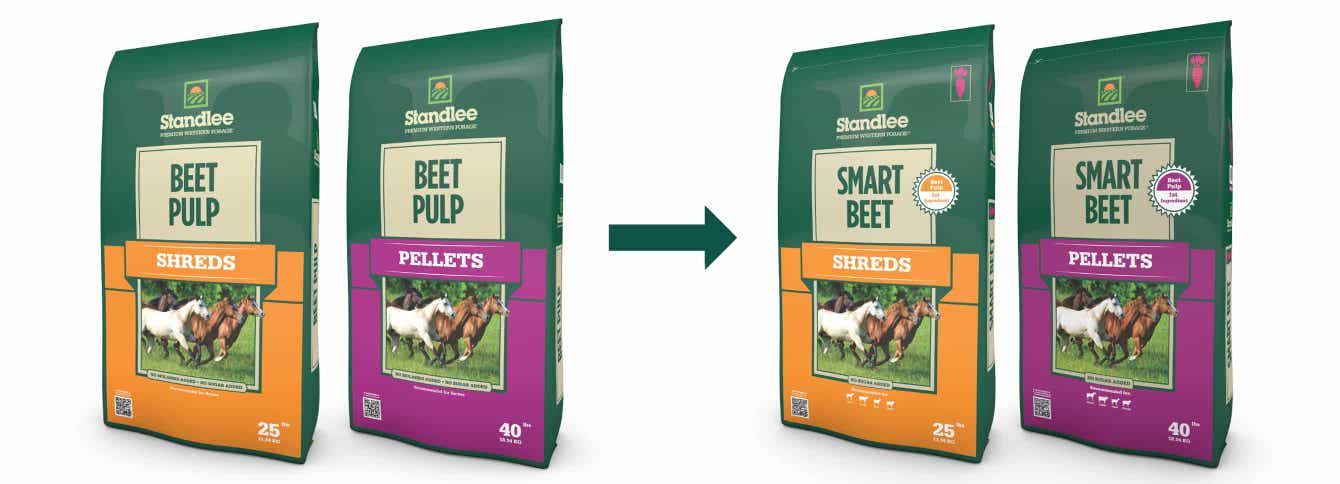
New Name, Same Premium Product – Introducing “Smart Beet”
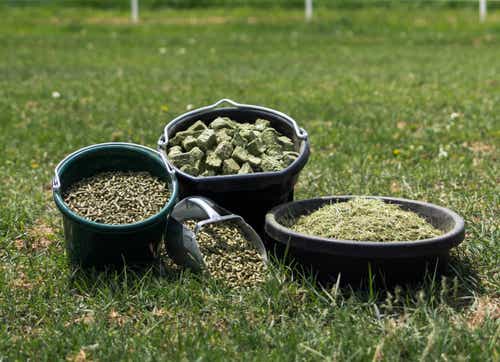
What is beet pulp? Beet pulp is a by-product of the sugar industry. Sugar is extracted from the beet leaving the pulp. The sugar finds its way into foods and grocery stores, while the pulp is used as an ingredient in animal feeds (less than 5% sugar). Beetpulp is rich in fiber and is unique in its form, as it is soluble fiber and highly digestible. ...
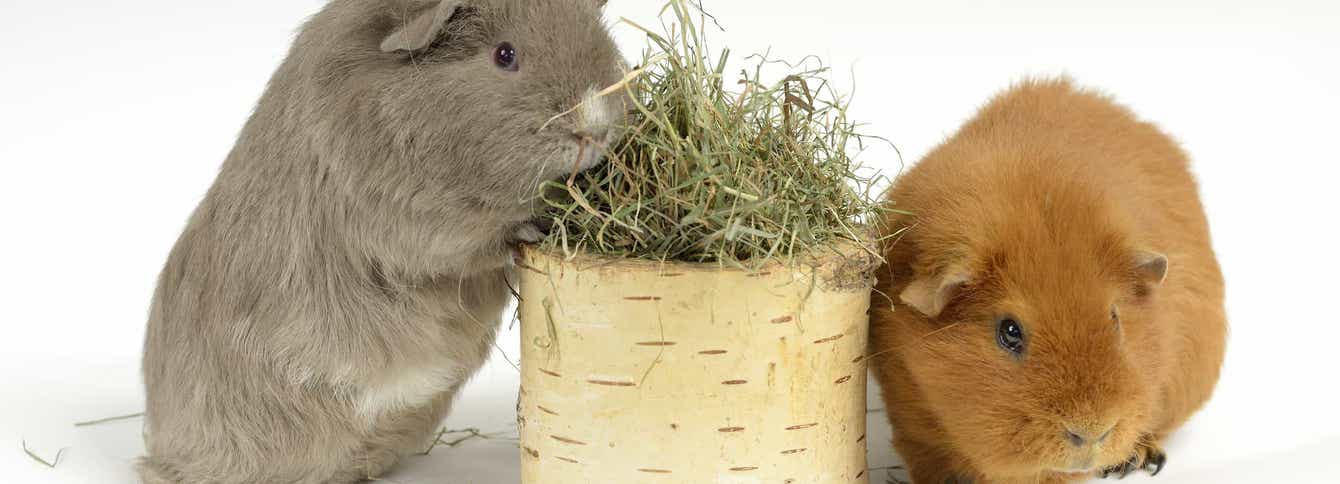
3 Tips for Choosing the Right Hay for Your Small Animal
Are you new to owning small animals? Did your five-year-old beg for a friendly, little hamster for their birthday to snuggle with and entertain them? Maybe you’re joining the world of 4-H, and your middle schooler is excited to start out with a rabbit project? Or maybe you jetted off to college and wanted a small, furry friend to keep you company? Selecting the proper forage type for your small...
Enjoying the Standlee blog?
Subscribe to Standlee emails and get our newest content (and coupons, offers, and other great stuff) sent to your inbox!
Subscribe Now