Healthy Horse Treats: How to Reward Your Horse Without Compromising Nutrition
Horse owners love to feed treats to their horses. Treats are a simple way to reward good behavior, reinforce training, strengthen the human–horse bond, or just say “thank you” to our equine partners who show up for us every day. From carrots pulled straight from the fridge to neatly packaged commercial treats, the options available today are broader than ever.
Treats are technically still considered “feed.” Even when offered in small amounts, they contribute calories, soluble carbohydrates, and nutrients to the overall diet. Not all horse treats are created equal, and thoughtful choices can make the difference between a reward that complements or detracts from your horse’s overall nutrition program. With a little intention, feeding treats can be incorporated into your routine without compromising your horse’s long-term well-being.
Why Horse Treat Choice Matters
It is easy to think of treats as nutritionally insignificant, but even small additions matter when repeated daily. For some horses, those extra calories or starches and sugars can add up quickly. Overfeeding treats or choosing inappropriate options can contribute to unwanted weight gain, metabolic challenges, or behavioral issues like nipping and pushiness.
Certain horses are more sensitive to treat choices than others. Easy keepers, senior horses, and horses with metabolic concerns often require closer attention to treat form and ingredients. For these individuals, the difference between an occasional reward and frequent indulgence can have meaningful health implications.
Viewing treats as a supplement to the diet, rather than an afterthought, helps keep nutrition decisions consistent and intentional. When treats align with the horse’s natural digestive design and overall feeding strategy, they can support rather than disrupt good nutrition.
Common Types of Horse Treats
Forage-Based Treats
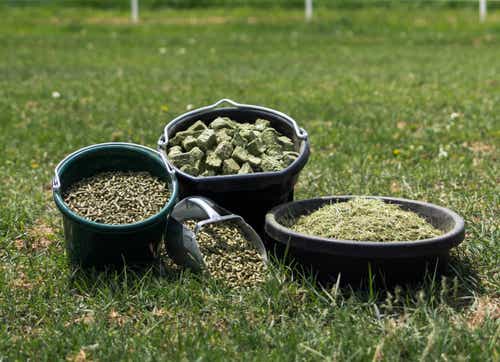
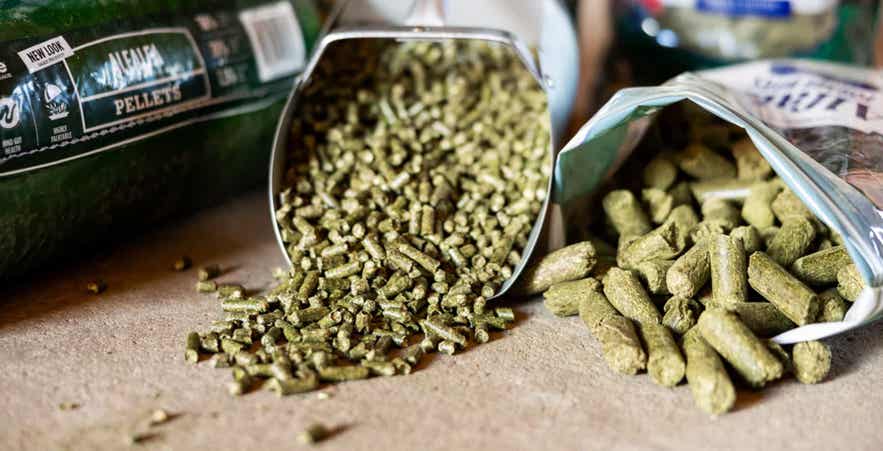
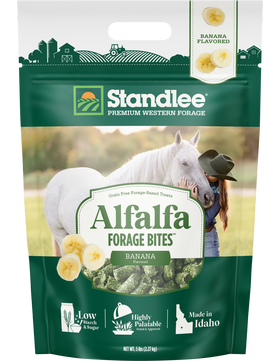
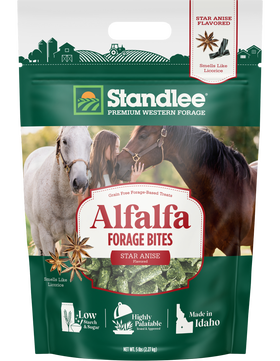
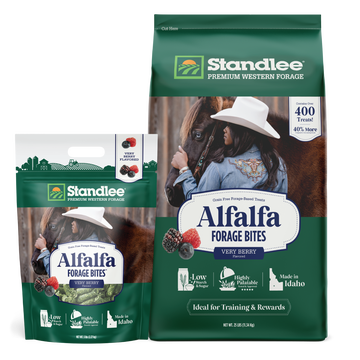
Forage-based horse treats are closely aligned with how horses are designed to eat. Made from ingredients like ground or chopped alfalfa, grass, beet pulp, or forage blends, these treats remain in line with the foundation of the horse’s diet. Because they are naturally high in fiber and typically lower in sugar and starch than grain-based options, forage-based treats support chewing behavior and digestive health. They are often a practical choice for frequent use as a horse training treat during groundwork or handling sessions. Many forage-based treats hold their shape well, do not crumble easily in pockets, and avoid the sticky residue associated with some baked or molasses-heavy products. For horses that benefit from consistency and fiber-forward nutrition, forage-based treats offer a natural, healthy option.
Grain-Based Treats
Grain-based horse treats commonly include oats, corn, or grain blends. These treats are often very palatable, which can make them appealing as horse training treats, particularly for horses that can be picky. However, grain-based treats are typically higher in sugars and starches, which means portion control matters. For easy keepers or horses with insulin sensitivity, frequent grain-based treating can work against dietary goals. When used thoughtfully and in moderation, they can be used as a high-value reward or for occasional enrichment, but they are rarely ideal for unrestricted use. Sugar cubes are not technically grain-based, but they are rich in soluble carbohydrates. They fall into the category of having some useful applications, such as when a horse has a bit in their mouth, but should be used in moderation and with intention when feeding horses with carbohydrate sensitivities.
Fruit and Vegetable Treats
Carrots, apples, and pumpkin are familiar favorites in many barns. These natural options offer moisture, flavor, and variety, and many horses find them highly rewarding. That said, fruits and vegetables do contain natural sugars, so portion size matters, especially for horses requiring low sugar horse treats. Feeding smaller pieces rather than whole fruits or vegetables helps keep sugar intake in check and minimizes choke risk. Seasonal produce like pumpkin can add enrichment when fed safely and in appropriate amounts. Always check with your veterinarian or an equine nutritionist first if you are unsure if a fruit or vegetable treat option is safe to feed horses and never feed spoiled produce to horses.
Baked Horse Treats
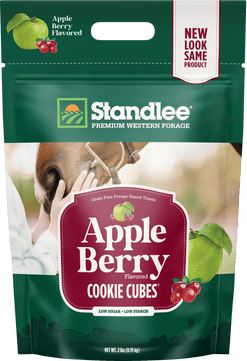
Baked treats are convenient and often come in fun and unique shapes and flavors. They can be great options to use for training or enrichment. Ingredient lists vary widely and may include grains, forage ingredients, pureed fruit, or molasses. Texture, soluble carbohydrate content, and ingredients can differ significantly between products. These treats can be useful in specific situations, but label reading and moderation are key, particularly if baked treats are offered frequently. Treats should complement, not replace, the horse’s primary nutrition.
Homemade Horse Treats
Homemade horse treats allow full control over ingredients and can be a fun project for adults and kids alike. Common ingredients include oats, carrots, apples, beet pulp, ground or chopped forage, and molasses. The main risks with homemade treats are accidental overuse of sugar-rich ingredients or inappropriate ingredient inclusion. Keeping recipes simple, forage-forward, and portion-controlled helps maintain nutritional balance. Homemade does not automatically mean healthier, but thoughtful formulation can make it that way.
Matching Treats to the Horse
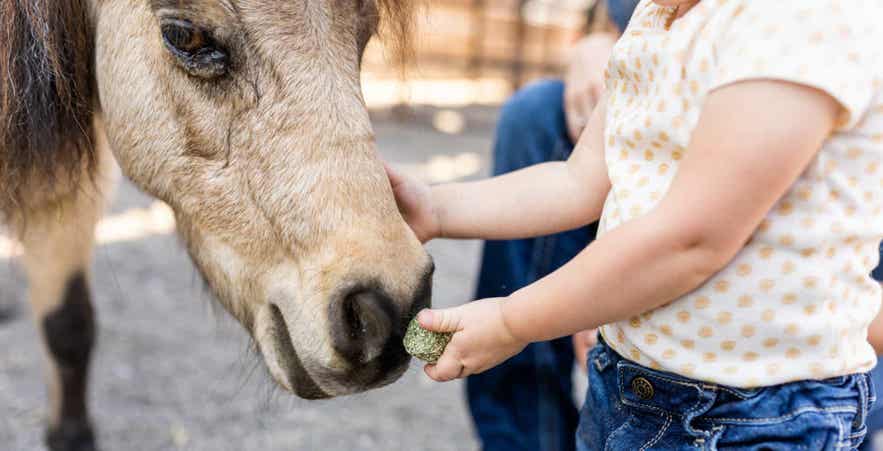
Not every treat fits every horse. Matching treat type to individual needs helps maximize benefits while minimizing risk. Easy keepers often do best with lower-calorie, high-fiber treats that satisfy the desire to reward without excessive energy intake. Senior horses may need softer textures and smaller treat sizes that are easy to chew. Performance horses may benefit from treats that include functional ingredients designed to support digestive comfort or gastric health in specific situations. Horses with metabolic concerns require low starch and sugar horse treats, and forage-based options are often the safest choice. At the same time, horse preference matters. A treat only works if the horse finds it rewarding.
How Often Is Too Often?
Treats should remain a small portion of the total daily diet. Frequency often matters more than size. Treating too often can encourage pushy behavior, while never using treats may underutilize a valuable training and relationship tool in your toolbox.
Non-food rewards, such as scratches, verbal praise, or a short break, can be powerful alternatives or complements to treat-based rewards. When feeding treats, avoid sudden increases in quantity and never offer treats that smell off or show signs of spoilage.
Used intentionally, treats can support training and bonding without creating nutritional imbalance.
Reading Treat Labels Like a Nutritionist
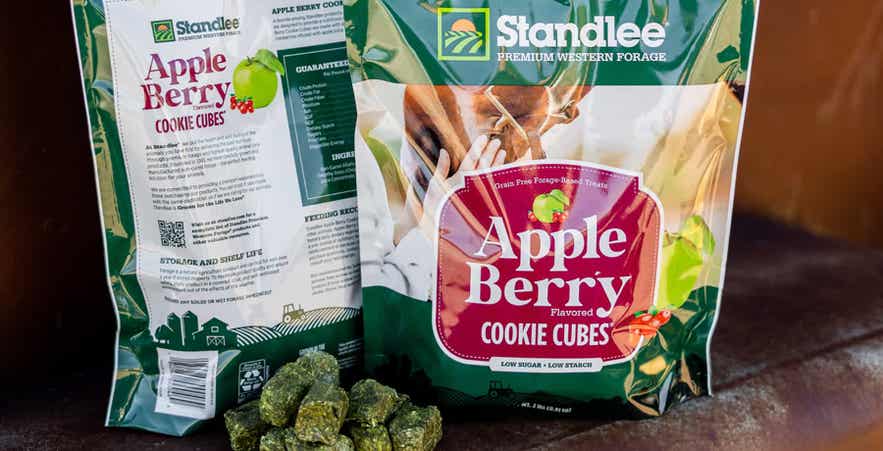
Learning to read treat labels empowers better decision-making. Ingredient lists are ordered by weight, which provides insight into what makes up most of the product. The guaranteed analysis can offer clues about fiber, fat, and soluble carbohydrate content, though treats should never be relied upon to supply essential nutrients. There’s little extra benefit to feeding treats that include an extended guaranteed analysis on the tag that lists many vitamins and minerals, simply because the feeding rate is usually too low and infrequent for treats to contribute meaningfully to essential nutrient requirements.
Look for ingredient transparency and simplicity, along with guaranteed levels of protein, fat, and fiber at the very least, along with sugar and starch if feeding a horse with carbohydrate sensitivities.
Where Treats Fit in a Forage-Based Diet
Forage remains the foundation of equine nutrition. Treats should support, not disrupt, digestive health and nutrient balance. Forage-based treats naturally align with this approach, providing rewards that fit seamlessly into how horses are meant to eat. A forage-foundation mindset encourages intentional rewarding and reinforces the importance of fiber in every aspect of feeding.
The Standlee Perspective: Thoughtful Treating Starts with Quality Ingredients
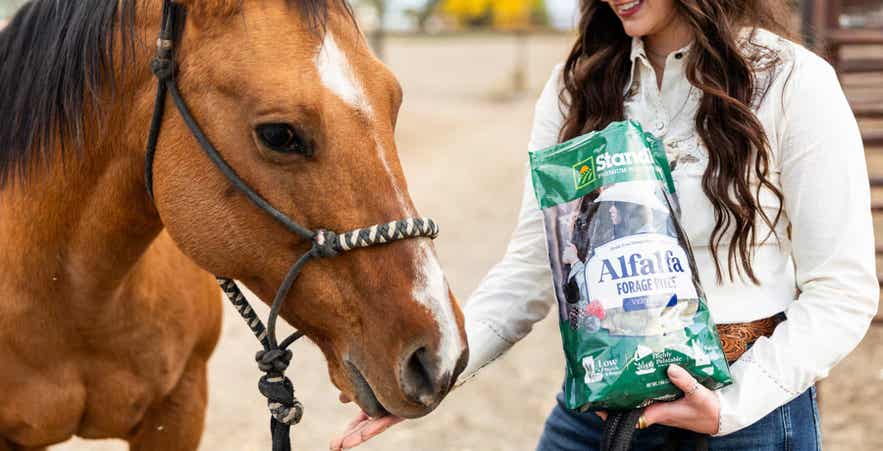
Thoughtful treating begins with quality ingredients and a clear understanding of how treats fit into the overall diet. Standlee’s forage-based philosophy is rooted in quality, consistency, and supporting the horse’s digestive system - because forage should always remain at the center of a healthy feeding program. As a trusted resource in forage-based nutrition education for over 45 years, Standlee encourages horse owners to treat with purpose by choosing nutrition-minded options, feeding in moderation, and prioritizing long-term health over short-term convenience. When done right, treats become a meaningful tool for connection without compromising the foundation of a forage-based diet.
Frequently Asked Questions About Horse Treats
Are grain-based treats bad for horses?
Grain-based treats are not inherently bad, but they are higher in starch and calories than forage-based options. For active or performance horses, strategic use may fit into the diet. For easy keepers or horses with metabolic concerns, frequent grain-based treats can work against nutritional goals, and their use should be limited.
What treats are safest for metabolic or insulin-sensitive horses?
Horses with metabolic concerns do best with treats that are high in fiber and low in starch. Forage-based treats made from ingredients like Timothy grass, alfalfa, or beet pulp tend to align best with these needs when fed in appropriate portions.
Are natural horse treats always healthier?
Not necessarily. While natural horse treats such as fruits and vegetables can be appealing and nutritious, they still contain sugars and calories. “Natural” does not automatically mean low sugar or low calorie. Portion size and frequency matter just as much as ingredient source.
Do horses really need treats during training?
Treats are a useful tool, but they are not required for effective training. Horse training treats can be helpful for positive reinforcement when used intentionally, especially during learning phases. Non-food rewards like scratches, verbal praise, or rest breaks can be equally effective and help reduce reliance on treats.
Can treats replace part of my horse’s regular diet?
No. Treats should never replace forage or balanced feed. They are meant to be supplemental rewards, not nutrient providers. A forage-based diet remains the foundation of equine nutrition, with treats serving a supporting role.
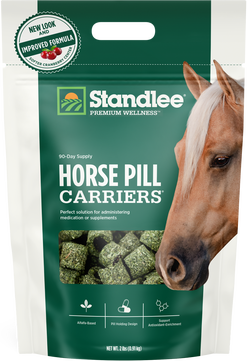
Products featured in this post
Enjoying the Standlee blog?
Subscribe to Standlee emails and get our newest content (and coupons, offers, and other great stuff) sent to your inbox!
Subscribe Now