Healthy Horse Treats: How to Reward Your Horse Without Compromising Nutrition
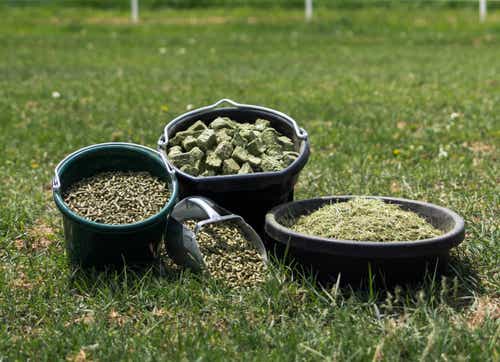
Horse owners love to feed treats to their horses. Treats are a simple way to reward good behavior, reinforce training, strengthen the human–horse bond, or just say “thank you” to our equine partners who show up for us every day. From carrots pulled straight from the fridge to neatly packaged commercial treats, the options available today are broader than ever. Treats are technically still...

Laminitis in Horses: Symptoms, Causes, and Feeding Strategies to Support Hoof Health
Laminitis is one of the most serious and painful hoof conditions affecting horses. Whether you manage performance horses, easy keepers, or aging companions, understanding laminitis - and how nutrition and management play a role - is critical for prevention and long-term care. Education is one of the most powerful tools horse owners have. This guide breaks down what laminitis is, how to recognize...

Feeding Goats in Winter: Smart Forage & Nutrition Strategies for Cold Weather
When cold weather arrives and pastures fade, goats face new nutritional challenges. Shorter days, frozen ground, and lower temperatures mean less grazing time – and a greater need for energy, fiber, and warmth from their feed. Winter feeding isn’t just about keeping goats full. It’s about helping them stay healthy, maintain body condition, and generate the internal heat they need to thrive all...

Built for Cattle, Backed by Forage: Alfalfa Forage Bite Cattle Treats
When it comes to caring for cattle, nutrition always comes first, even when it comes to treats. Whether you’re rewarding show cattle, bonding with your backyard cows, or simply adding enrichment to daily routines, choosing the right treat matters. At Standlee, we believe treats should support the animal’s natural diet, not work against it. That’s where Alfalfa Forage Bites - Cattle Treats come...

What Do Reindeer Eat? How Standlee Helps Fuel Festival of Lights Reindeer
On Friday, December 5, 2025, Downtown Twin Falls, Idaho transformed into a glowing holiday wonderland as thousands gathered for the annual Festival of Lights Parade. Main Street sparkled beneath twinkling strands of lights, holiday music echoed between buildings, and families bundled in coats lined the sidewalks in anticipation. And right in the center of the celebration? Two stunning reindeer,...
Enjoying the Standlee blog?
Subscribe to Standlee emails and get our newest content (and coupons, offers, and other great stuff) sent to your inbox!
Subscribe Now