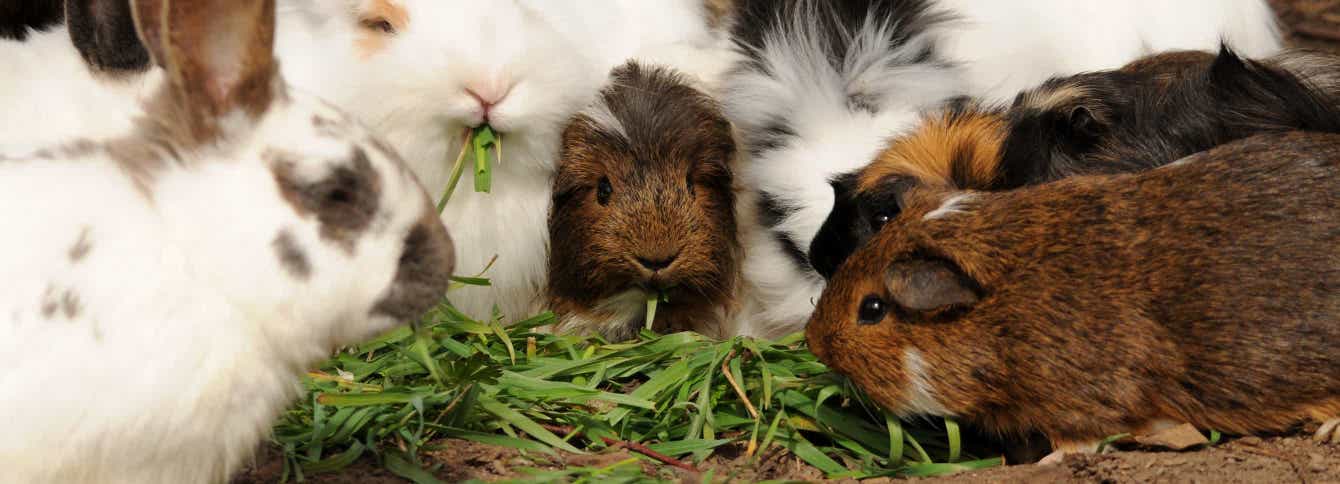
What type of forage is best for your small animal?
Did you know that providing supplemental long stem forage is both healthy and beneficial for your small animals? Have you ever wondered what type of forage your small animals should be eating? Dr. Duren helps us answer this question by giving an overview of feeding practices by small animal species. Feeding Rabbits Start the feeding program with a formulated feed, intended for rabbits, that...
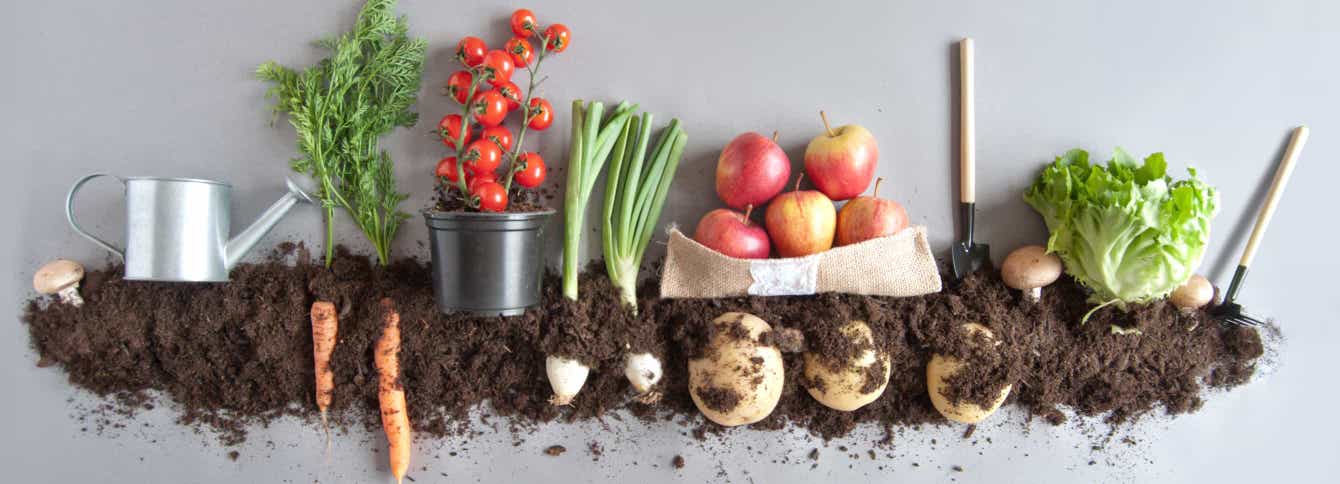
Why Use Alfalfa in Your Garden as a Natural Fertilizer Solution?
As our plants grow through each season, they deplete minerals from the soil. When the season comes to an end, the soil then becomes nutrient deficient, meaning the soil no longer has the substances that provide nourishment for essential growth and life that your plants need to flourish. Fruit and vegetables are particularly vulnerable to soil depletion; if the soil does not contain the nutrients...
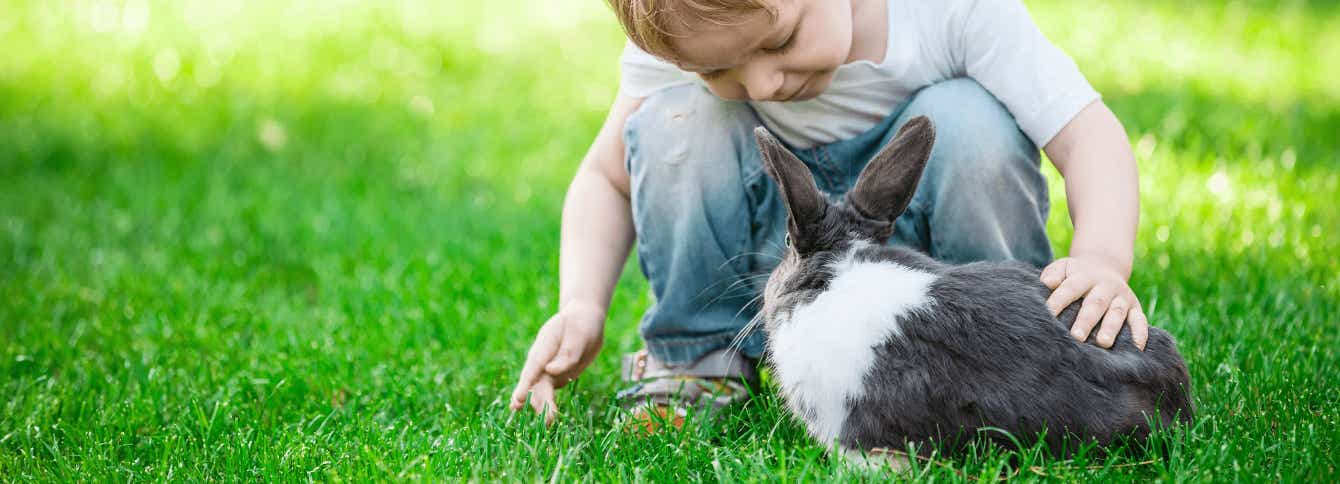
10 Tips for New Rabbit Owners: How to Take Care of a Rabbit
1.) Do your research. Before you decide to purchase or adopt a rabbit, make sure to research as much information as you can regarding rabbits such as illnesses, proper dietary needs, and housing. 2.) Find a Vet. It is important when finding a veterinarian that you find one who is experienced in rabbits as they are not common animals like dogs, cats, etc. Make sure to sit down with your vet and...
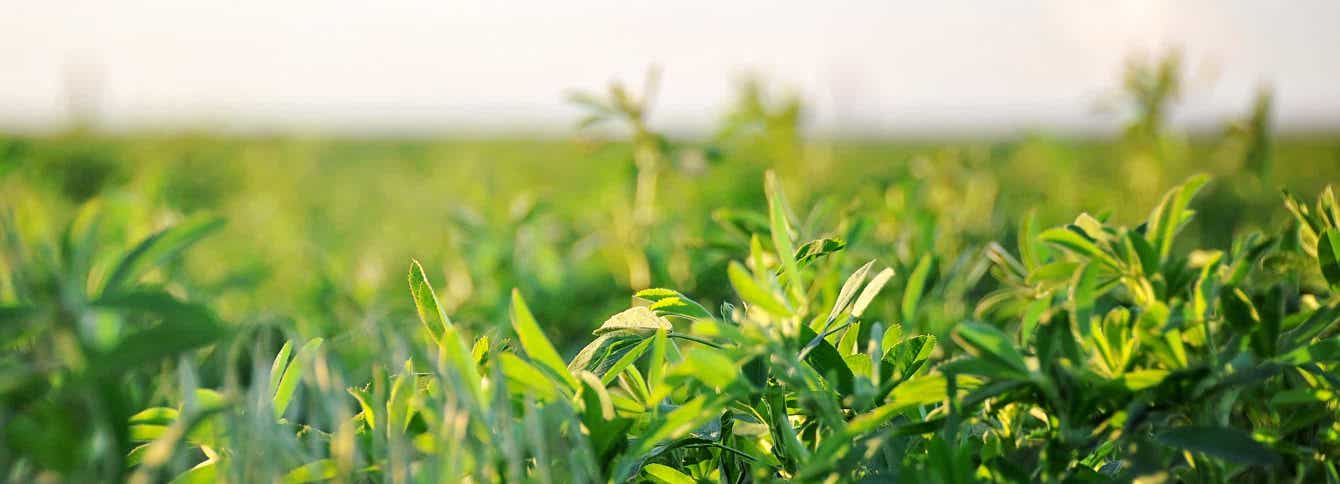
Are you looking for a USDA Certified Organic Alfalfa forage option for your animals?
Are you looking for a USDA Certified Organic Alfalfa forage option for your animals? Organic Alfalfa can be utilized in any diet that currently includes alfalfa. If your preference is “organic” or your livestock herd is involved in a program that requires organic feed, Standlee Premium Western Forage® is proud to offer you that choice. Standlee Forage® has two organic products to offer that...
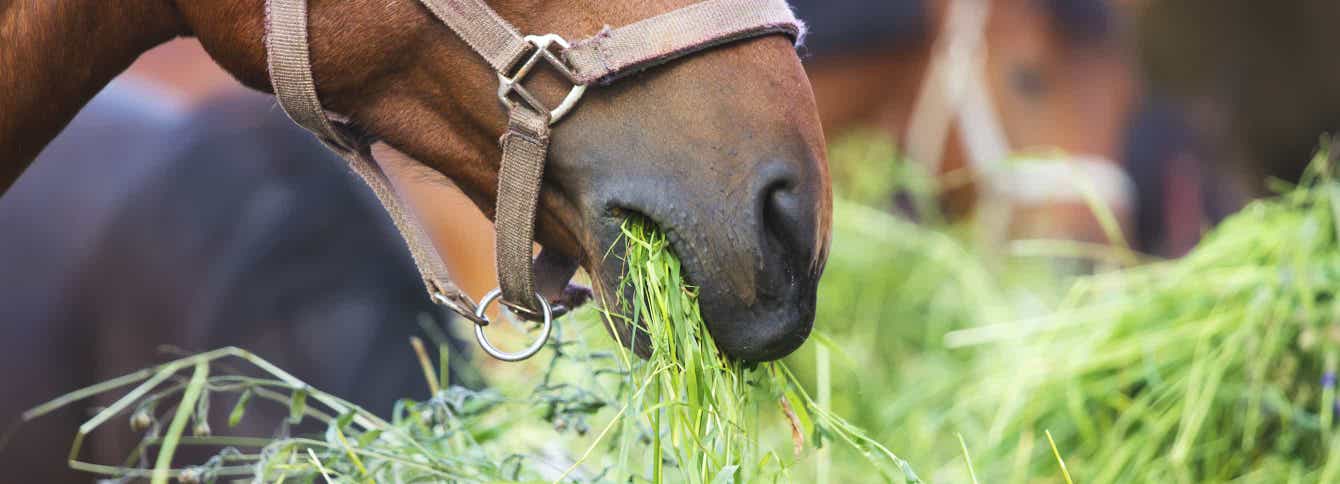
How Compressed Forage Bales Can Help Your Feeding Program
Have you seen Standlee Premium Western Forage’s Premium Alfalfa Grab & Go Compressed Bales in your local feed store? They’re wrapped in plastic and might look a bit smaller than your average hay bale, but if you pick one of these bales up, you’ll quickly find they’re plenty dense. In fact, we create these bales by compressing a 4’x4’x8’ bale into a size that’s much more convenient. What are...
Enjoying the Standlee blog?
Subscribe to Standlee emails and get our newest content (and coupons, offers, and other great stuff) sent to your inbox!
Subscribe Now