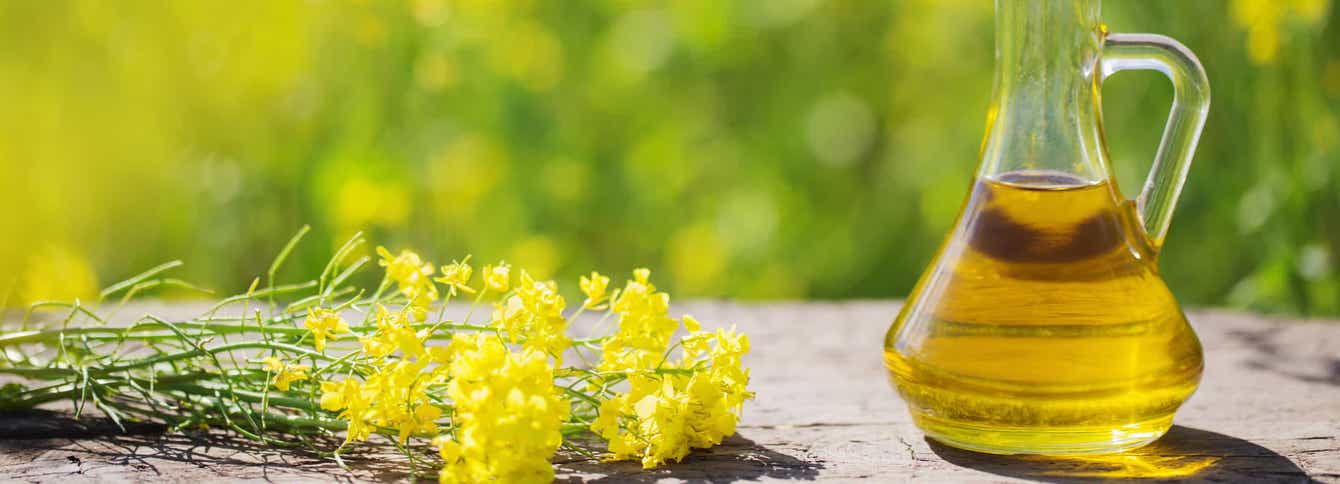
Benefits of Canola Oil for Horses
Standlee Premium Products utilizes canola oil in their Premium Chopped Alfalfa and their Premium Chopped Alfalfa/Timothy. Have you ever wondered why? Benefit 1 – Omega 3 Fatty Acid Content All sources of vegetable oil (i.e. corn oil, rice oil, soybean oil, canola oil, etc.) contain polyunsaturated fatty acids. This presence of polyunsaturated fatty acids makes these fats liquid at room...
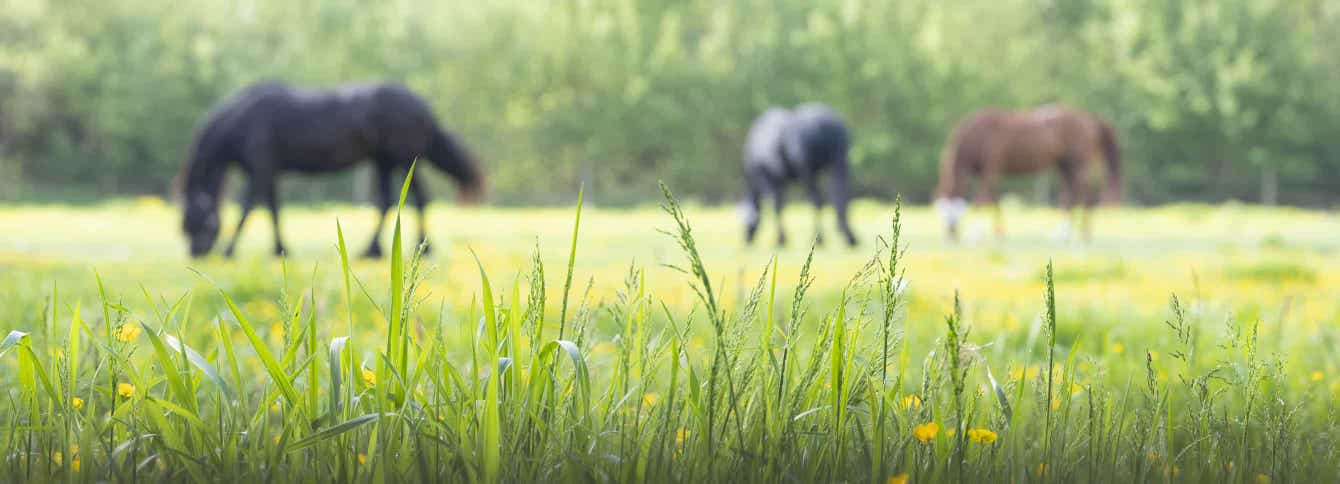
Changing Equine Behavior with Forage
Forage plays a critical role in equine behavior and training. Countless common behavioral problems and stereotypical behaviors can develop due to a lack of forage in a horse’s diet. Horses are grazing and foraging animals, spending an estimated seventeen hours a day consuming different kinds of plants and grasses in small quantities. Everything about them is designed to consume their food in this...
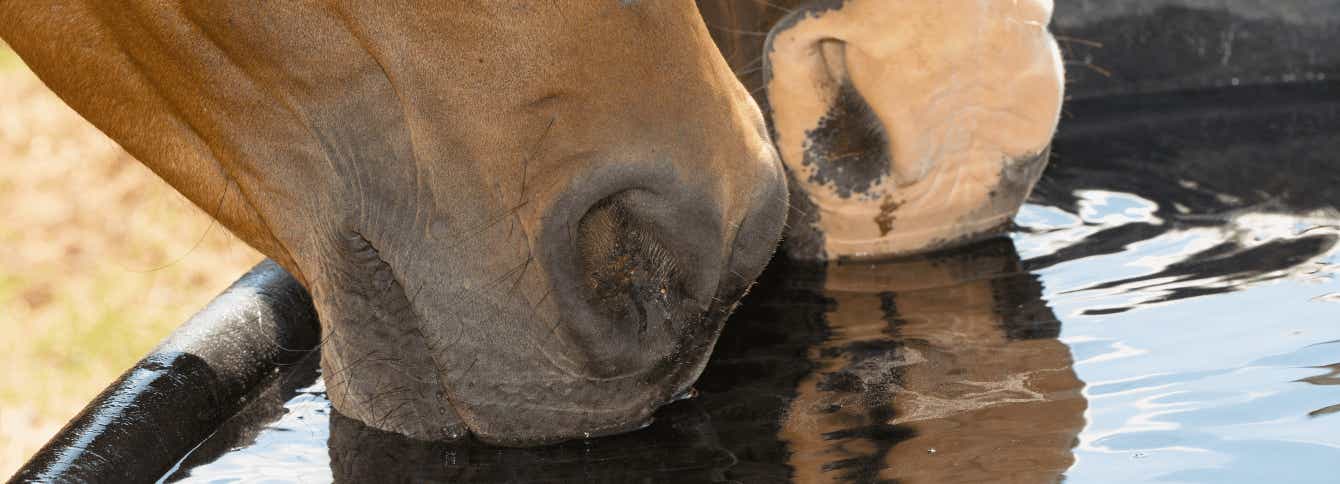
Exploring Summer Water Intake In Horses
Providing fresh clean water to horses is absolutely critical. In the summer months water intake can rise exponentially depending on the weather and exercise level of your horse. Check out our latest infographic to make sure you are providing your horse with enough water to support their current needs. Also included are some great tips on detecting heat...

3 Common Misconceptions of Feeding Alfalfa to Horses
Many horse owners are aware, alfalfa has been blamed (justly or unjustly) for problems associated with horse health. “Too much of this nutrient”, “not enough of that nutrient” are common phrases found in discussions regarding alfalfa hay for horses. The simple fact of the matter is that a considerable number of very good horses are raised and perform each year on diets consisting of a large...
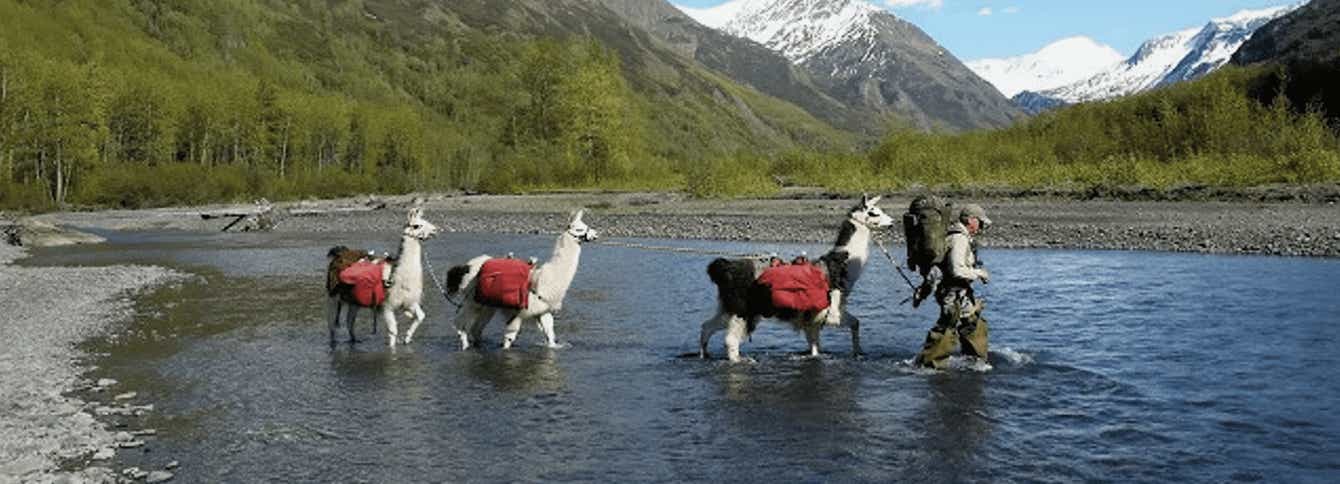
Llamas, the Ultimate Backcountry Hiking Partner?
Go further, stay longer and hike harder with your 300 pound (llama) hiking partner! Llamas have been raised in South America for centuries as pack animals. The packing ability of llamas combined with their ease of transport enables them to be utilized in a wide variety of situations and makes them ideal for packing. They are popular with hikers and hunters on longer overnight trips because they...
Enjoying the Standlee blog?
Subscribe to Standlee emails and get our newest content (and coupons, offers, and other great stuff) sent to your inbox!
Subscribe Now