Table of Contents
Table of Contents
Complete Guide to Feeding Beet Pulp to Horses
All Available Resources On This Topic
Standlee has created and actively maintains a wealth of resources about feeding beet pulp to horses. Be sure to find all of these resources on this page, or simply click the buttons below to see them.
VIEW ALL RESOURCESWhen it comes to feeding optimal nutrition for your horse or livestock, beet pulp is a nutritional powerhouse and a top choice. Beet pulp offers a range of benefits that can support your animal's overall health. From improved digestion to increased energy levels, beet pulp has become a staple in many horse feeding programs.
What is Beet Pulp?
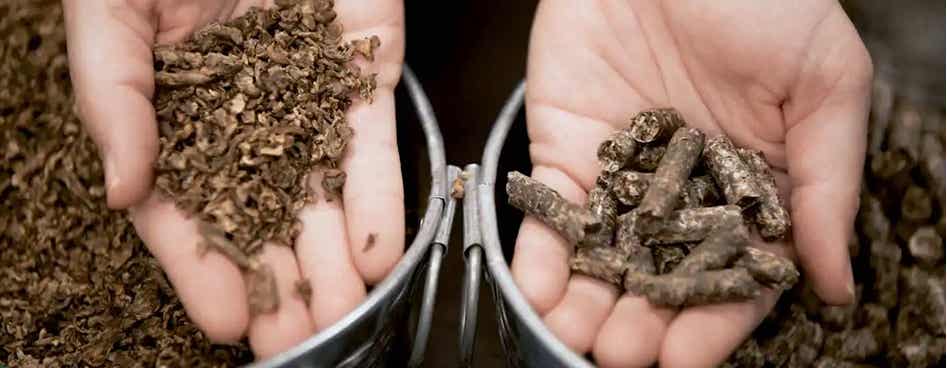
Beet pulp is made from the fibrous material left over after the sugar has been extracted from sugar beets. The remaining pulp is then dried and sometimes shredded or pelleted for easier feeding. This process helps retain the natural nutrients found in sugar beets, making it a highly nutritious feed option.
When it comes to nutritional composition, beet pulp is an excellent source of digestible fiber, which promotes healthy digestion. It is also low in sugar and starch, making it suitable for animals that require a low-sugar diet.
This super fiber is a high energy, low protein and high fiber source, making it a great addition to horse diets, as well as for cattle, sheep and goats.
In the video below Standlee Nutritional Expert Dr. Stephen Duren helps answer the question, What is beet pulp?
Benefits of Feeding Beet Pulp to Horses
Beet pulp offers many great benefits that include, but are not limited to: gut health support, energy, and weight management.
Supports Gut Health
Its high fiber content helps support proper gut function and can prevent digestive issues such as colic and gastric ulcers. Beet pulp produces butyrate, a fatty acid that offers many benefits such as:
- Provide energy to the epithelial cells that line the colon and support nutrient absorption and the metabolism.
- Maintain tight junctions within the gut, preventing exposure to toxins and bacteria.
- Anti-inflammation properties.
- And more!
Provides Slow-Release, Efficient Energy
Beet pulp provides a slow-release energy source, keeping horses fueled throughout the day without causing spikes in blood sugar levels. It provides digestible energy ranging between that of good quality hay and grains, sourcing energy from soluble fiber as opposed to energy from starches and sugars.
Beet pulp is widely used around the world and has been recommended as a substitute for hay in rations for horses with respiratory problems. It has also been recommended as a replacement for a portion of poor-quality hay in performance horse diets to improve the quality of fiber and increase the energy density of the daily diet.
It is used as a method to assist underweight or thin horses gain additional condition without the use of grains, while still lowering starch intake and retaining the digestible energy level as well. Accordingly, it is also ideal for endurance and excitable horses, where calm conditioning is required, as it provides slow-release energy and helps to restore and maintain fluid balance in the body when previously soaked.
A study showed that horses had higher muscle glycogen content, and lower blood and muscle lactate content, after exercise when fed beet pulp in their diets as compared to oats. Muscle glycogen content is the main source of stored energy used for exercise in horses. Lactate (or lactic acid) accumulation can cause muscle fatigue which results in a decline in performance.
Beet pulp has a lower glycemic index compared to any type of grain, meaning it has a small effect on blood glucose levels. A low glycemic index feed may have a positive influence on behavior along with helping to control nutrition levels in horses susceptible to metabolic related disorders, such as laminitis, insulin resistance, Cushing’s, grain intolerance, Equine Metabolic Syndrome, PSSM and tying-up.
Aids in Weight Management and Safe Weight Gain
It can help with weight management, as beet pulp is filling but low in calories, making it suitable for animals that need to maintain a healthy body condition.
When animals need additional calories in their diet, owners often feed grain. Grains, such as oats, maize and barley which are digested in the small intestine of the horse. If too much grain is fed in a single meal, it can result in undigested grain passing into the large intestine. Once in the large intestine, bacteria can ferment the undigested grain, potentially resulting in digestive and metabolic disorders such as colic and laminitis.
Beet pulp avoids these potential digestive and metabolic issues as beet pulp is considered a super fiber – high calorie content and safe to feed. Beet pulp is ideal for animals that suffer from dental issues as its soft consistency once soaked, provides an adequate fiber source, while still maintaining body condition.
A High-Calorie Fiber Source
Smart Beet is a high calorie, low protein, low sugar fiber source ideal for horses, cattle, goats and sheep.
Beet Pulp is a “Super Fiber”!
The fiber is soluble, so it is more readily digestible than pasture, hay or chaff. This allows it to provide digestible energy similar to that of good quality hay and grains, sourcing energy from soluble fiber as opposed to energy from starches and sugars.
For more, read our Beet Pulp: What do I need to know? nutritional paper from Standlee Nutritional Expert Dr, Tania Cubit.
Types of Standlee Beet Pulp Products
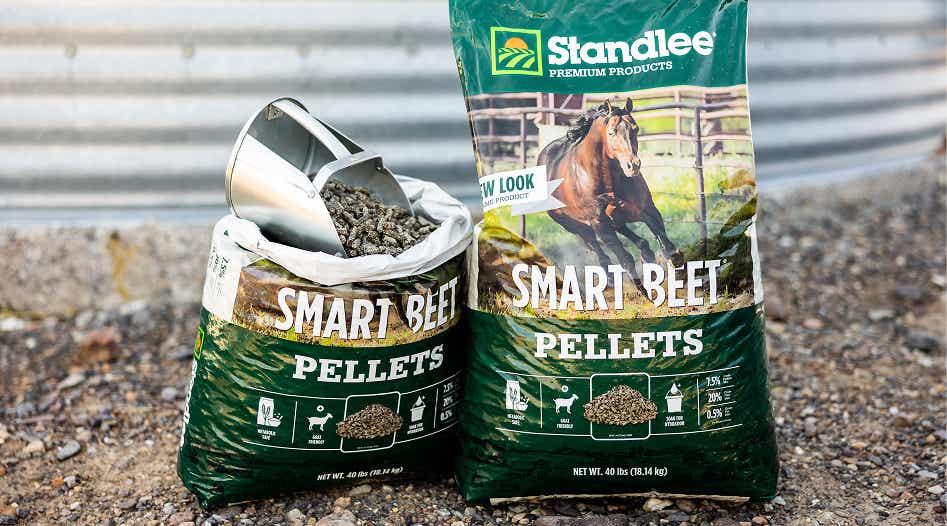
Standlee makes beet pulp products in two formats: Smart Beet Pellets and Smart Beet Shreds. Both products are an excellent feed addition to any ration as a low starch, low protein, highly digestible food source for horses, cattle, goats, and sheep.
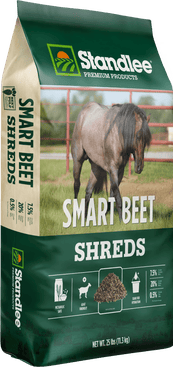
Feeding Standlee Beet Pulp Products to Horses
Standlee Smart Beet Pellets and Smart Beet Shreds are a dehydrated product and are recommended to be soaked in water (2 parts water to 1-part pellets/shred, completely submerged) for a minimum of 15 minutes or until properly softened. This allows the beet pulp to absorb water and expand, making them softer and easier to chew and digest. It is also recommended to feed soaked beet pulp to horses to increase their hydration status. This can be ideal especially during the fall and winter when water intake decreases, and dry forage intake increases.
Care must be taken especially in warmer climates so that the soaked beet pulp does not sit out for long periods and become stale or sour.
It is also recommended to feed soaked beet pulp to horses to increase their hydration status. This can be ideal especially during the fall and winter when water intake decreases and dry forage intake increases.
Where Does Standlee’s Beet Pulp Come From?
The beet pulp used in Standlee’s Smart Beet products is sourced from a local grower owned and operated farm here in the “Gem State” of Idaho, Amalgamated Sugar Company! Amalgamated Sugar Company produces sugar from sugar beets grown by 700+ members of their cooperative. It is the second largest manufacturer of sugar from sugar beets in the United States and sells sugar across the country. Southern Idaho is a prime sugar beet growing country. The soil in Idaho offers perfect growing conditions; that means that our beet pulp has a high quality and consistent nutrition profile for our Smart Beet products.
Common Beet Pulp Questions
Do beet pulp pellets and shreds really need to be soaked?
No, BUT… If your horse is naïve to beet pulp, has dental issues or tends to eat their feed quickly and not thoroughly chew it, then it IS advisable to soak beet pulp shreds or pellets prior to feeding. If the horse is new to your stable, it is always recommended to soak feeds until you become familiar with the horses eating patterns. It is also recommended to feed soaked beet pulp to horses to increase their hydration status. This can be ideal especially during the fall and winter when water intake decreases and dry forage intake increases.
Does beet pulp make a horse's stomach expand if it isn’t soaked?
Any ingredient fed to horses will begin to fill the stomach. Unsoaked beet pulp will expand in the stomach, but it will not cause the stomach to expand or rupture. It just may be uncomfortable for the horse.
Does beet pulp contain sugar?
Beet pulp is a by-product of the sugar beet, in which the sugar is extracted from. With that said, there is still a very small residual amount of sugar left in the pulp. Some beet pulp has a very small amount of molasses added to it as a means of eliminating dust and making it taste better to the horse. Standlee beet pulp products are made up of dried pulp and concentrated separator by-product (CSB). CSB is a secondary molasses produced during the separation of sugar from regular sugar beet molasses. It contains most of the molasses components, but is lower in sugar content than ordinary molasses.
Still concerned about feeding even the smallest amount of added sugar if you have a horse sensitive to sugar in the diet? It appears that beet pulp with added molasses is acceptable as a low sugar fiber option, if the beet pulp has been soaked and rinsed, prior to feeding. Research supporting soaking and rinsing beet pulp pellets and shreds, to reduce the sugar content. Read more in our Research Shows Soaking Beet Pulp Reduces Sugar Content nutritional paper.
Does beet pulp help with or prevent sand colic?
Any fiber source (pasture grass, hay and even beet pulp) can move a very small amount of sand and debris through the digestive tract. However, horses that have sand in their digestive systems need more drastic measures to clear the sand. Probably the best option is psyllium products, which form a sticky fiber that binds and moves sand through the digestive tract. So, how can we best prevent sand colic in our horses? There are three general ways:
- Feeding the horse high quality forage
- Feeding the horse off-the-ground or in feeders placed on mats
- Feeding the horse in stalls rather than outside on sandy soil
Does beet pulp help with weight gain?
Beet pulp works very well to support underweight horse, cattle, sheep or goat diets, due to being a high calorie (e.g. providing energy without excess sugar), supplemental feed.
Is beet pulp just a filler?
No, beet pulp is not just a filler. Though it is a supplement that is added to the horse or other livestock’s diet, some believe that it is a filler type feed to help keep the animal full, which is not true. Beet pulp is a highly digestible way to increase fiber in your horse or other livestock’s diet. Fiber helps provide animals with energy to grow, work, and play and is often fed as a supplement to help underweight horses gain weight. Standlee Nutritional Expert Dr. Duren explains more in the video below.
What Animals Can Eat Beet Pulp?
In addition to horses, beet pulp can be fed to many animals to promote weight gain, offer digestive support, and provide energy. These animals include:
- Cattle
- Sheep
- Goats
- Pigs
- And others!
More On Beet Pulp
Listen to Our Beet Pulp Podcast Episode
In this “Beet Pulp – What Is It and Why Do Horses Need It?” podcast episode, co-hosts Dr. Tania Cubitt and Katy Starr discuss anything and everything you’d ever want to know about beet pulp including:
- What is beet pulp and where does it come from?
- What type of horses should and shouldn’t be fed beet pulp?
- Can beet pulp swell in a horse’s stomach?
Watch The Beet Pulp Webinar
- History
- What is beet pulp?
- How do you feed it?
- How do you balance it when fed with other forages and feeds?
- Why is it beneficial for equine diets?
- How does beet pulp affect carb sensitive horses?