Winter Horse Care Guide: Essential Cold-Weather Tips for a Healthy, Comfortable Horse All Season Long
A winter sunrise can be beautiful, but the season brings unique challenges for horse owners. Freezing temperatures, icy footing, shortened daylight, and difficult weather conditions all influence how horses should be cared for through the colder months.
This updated Winter Horse Care Guide provides clear, practical, veterinarian-aligned strategies to help you support your horse’s health, comfort, and safety all winter—without unnecessary complexity. Whether you're preparing for light frost or heavy winter storms, this guide covers the most important areas of cold-weather horse care: shelter, blanketing, forage, hydration, grooming, turnout, hoof care, safety, and daily health monitoring.
Why Winter Horse Care Matters
Horses are naturally equipped to tolerate cold temperatures, but winter still introduces stressors that can affect comfort, mobility, respiratory health, and overall well-being.
Common Winter Challenges for Horses
- Exposure to wind, rain, snow, and freezing temperatures
- Hard, uneven, or icy ground
- Increased risk of slips and cold-weather injuries
- Changes in coat condition
- Reduced daily movement and turnout
- Higher likelihood of dehydration
- Stiffness or soreness caused by colder joints or inactivity
A thoughtful winter management plan helps reduce these risks and keeps horses healthier, safer, and more comfortable all season long.
Winter Shelter: Creating a Safe, Dry, Draft-Free Environment
Appropriate shelter protects horses from wind chill, moisture, and extreme cold. This is essential in assisting horses conserve energy and stay comfortable.
What an Ideal Winter Shelter Includes
- Three-sided run-in shed positioned to block prevailing winds
- Solid, nonslip footing with proper drainage
- Clean, dry bedding such as straw or low-dust shavings
- Good ventilation to minimize ammonia and moisture buildup
- A sturdy roof capable of handling snow load
Run-In vs. Stall: What’s Best?
Horses with thick winter coats are naturally insulated and often thrive with 24/7 turnout, as long as they have access to a shelter to escape wind, rain, or snow. Regular movement outdoors helps maintain circulation, muscle tone, and mental well-being.
Clipped, senior, or medically vulnerable horses lose some of this natural protection and may need more stall time or controlled turnout to stay warm and healthy.
Regardless of routine, every horse should always have access to a dry, safe shelter. This is essential for preventing stress, illness, and injury during cold weather.
TIP: Regularly clear ice and snow from shelter entrances to maintain safe footing and prevent slips from occurring.
Blanketing: When to Blanket & How to Choose the Right One
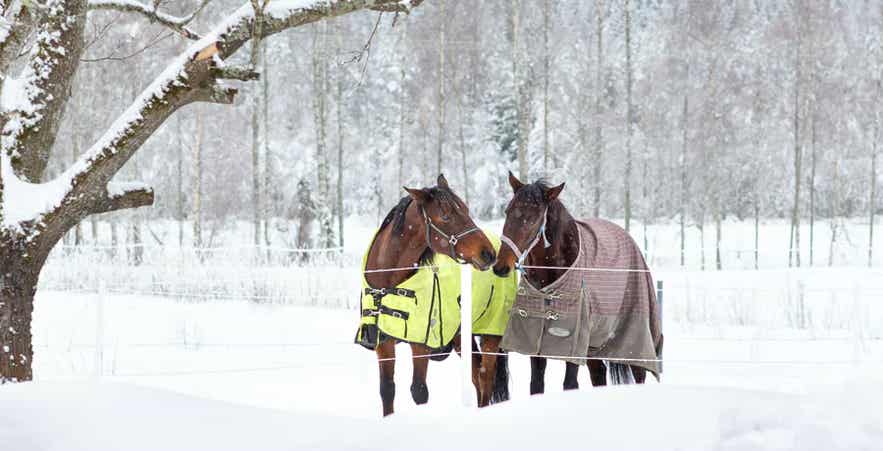
Blanketing is one of the most common questions in winter horse care. The right blanket depends on your horse’s individual needs, coat, health, and weather conditions. Using the correct blanket can help maintain body temperature, prevent illness, and keep your horse comfortable all winter long.
Horses That May Need a Blanket
- Clipped horses: lose natural insulation, making them more susceptible to cold.
- Senior or immune-compromised horses: may struggle to regulate body temperature.
- Horses with a low body condition score: lack of fat means less natural warmth.
- Horses exposed to cold wind, rain, or sleet: wet coats lose heat rapidly.
- Breeds with naturally thin coats: may not grow enough winter hair to stay warm.
Blanket Selection Checklist
When choosing a blanket, make sure it is:
- Waterproof and windproof: protects against rain, sleet, and icy winds.
- Breathable: prevents overheating and sweat buildup.
- Correct weight: light, medium, or heavy depending on temperature and horse.
- Properly fitted: prevents slipping, rubbing, and restricted movement.
- Equipped with secure straps and durable hardware: ensures safety in turnout.
General Blanketing Temperature Guidelines
Use these as a starting point and adjust for your horse’s coat, activity level, and weather:
| Temperature | Blanket Recommendation |
|---|---|
| Above 50°F | Usually no blanket for most unclipped horses |
| 40–50°F | Lightweight blanket for clipped or vulnerable horses |
| 25–40°F | Medium-weight blanket |
| Below 25°F | Heavy-weight blanket |
Tip: Always adjust based on wind, precipitation, coat thickness, and your horse’s individual comfort. Watch for signs your horse is too cold (shivering, tucked tail, lethargy) or too hot (sweating, rapid breathing, restlessness).
Forage: A Natural Way to Keep Horses Warm
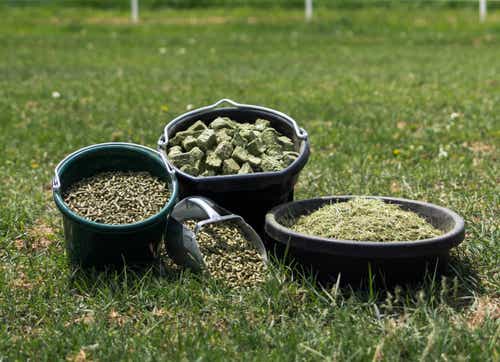
Horses generate internal heat through digestion, making forage a critical component of winter warmth. Feeding high-quality hay helps maintain core body temperature and supports digestive health. A horse consuming adequate forage can generate up to 50% of its daily heat through gut fermentation.
Forage Tips for Winter:
- Provide frequent, smaller feedings or free-choice hay to keep digestion working steadily.
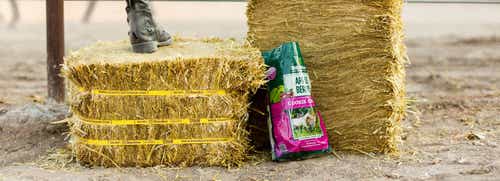
- Ensure hay is clean, dry, and mold-free to avoid respiratory issues.
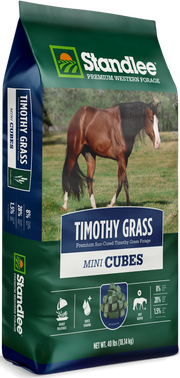
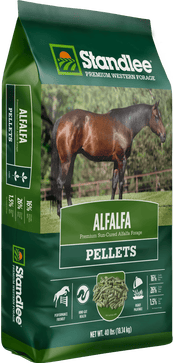
- Offer high-fiber forage like alfalfa, timothy, or orchard grass, which take longer to chew and digest, generating more metabolic heat.
- Monitor intake: decreased consumption may indicate health or dental issues that could compromise warmth.
Pro Tip: Pair forage with other winter strategies, like shelter and blanketing, to maximize natural warmth and reduce stress.
Winter Grooming: Supporting Skin, Coat, and Circulation
Winter grooming helps maintain coat quality, improve circulation, and catch issues early.
Essential Winter Grooming Tips
- Pick hooves daily to remove ice, packed snow, and mud
- Brush the coat to remove dirt, prevent matting, and distribute natural oils
- Check for blanket rubs, girth galls, and irritation
- Use a curry comb gently on thick winter coats
- Keep legs dry to help prevent scratches or mud fever
- Clean muddy tails and manes to avoid breakage and tangling
TIP: Warm, damp towels are perfect for quick winter “spot cleans” when full bathing isn’t possible.
Hydration: Preventing Winter Dehydration
Even without discussing feeding, hydration is one of the most critical aspects of winter horse care. Horses often drink less when water is cold, which increases the risk of dehydration. This factor can contribute to stiffness, reduced performance, and colic.
Winter Hydration Essentials:
- Use heated buckets or tank heaters to prevent water from freezing.
- Keep water between 45°F–65°F to encourage regular drinking.
- Clean buckets and troughs regularly to prevent bacterial buildup.
- Monitor drinking behavior daily to catch changes early.
- Ensure horses always have access to fresh, unfrozen water, even in turnout areas.
Tip: Horses may drink more readily if water is slightly warmed or flavored with horse-safe electrolytes in extreme cold. Snow alone is not enough to meet hydration needs.
Winter Hoof Care: Keeping Your Horse Safe and Comfortable
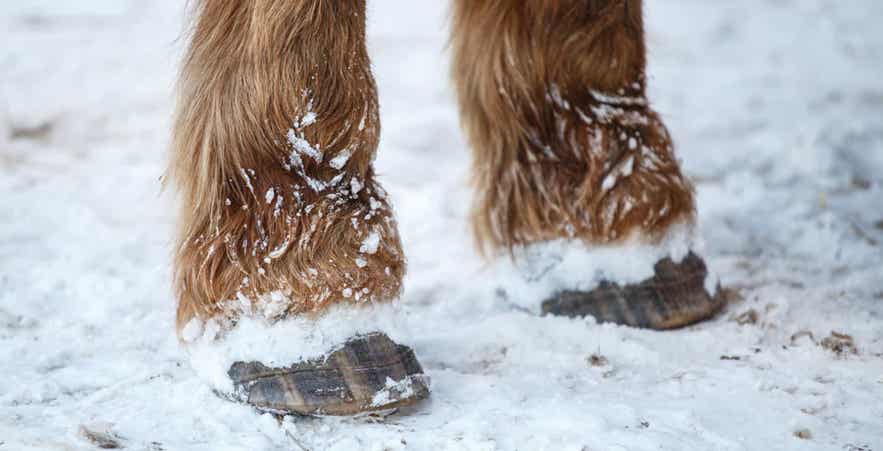
Winter conditions can make hoof care more challenging, especially when ground surfaces fluctuate between wet, dry, frozen, and muddy. Snow, ice, and packed mud can create imbalance, strain tendons, and increase the risk of injury.
Winter Hoof Care Tips:
- Maintain regular farrier visits every 6–8 weeks to prevent issues before they escalate.
- Pick hooves daily to remove snowballs, ice, and packed mud.
- Consult your farrier about:
- Snow pads to prevent snowballing
- Traction devices for icy footing
- Barefoot vs. shod options based on your horse’s needs
- Watch for hoof problems such as thrush, bruising, and cracks, which are more common in wet and fluctuating conditions.
- Daily snowball removal is essential. Packed snow can alter balance, increase tendon strain, and lead to slips or injuries.
Tip: Hoof boots can provide additional protection for turnout in icy or snowy conditions, especially for horses prone to slipping or hoof injuries.
Safe Turnout & Exercise in Cold Weather
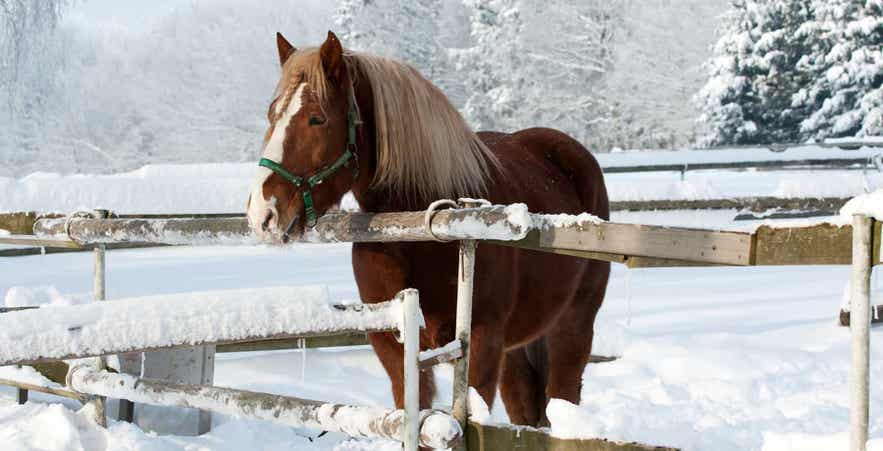
Even in the coldest months, movement is vital for your horse’s joint health, muscle function, and mental well-being. However, winter conditions require extra precautions to prevent injuries and keep horses comfortable.
Tips for Safe Winter Exercise:
- Slow, gradual warm-up to loosen muscles and joints, especially for clipped or older horses.
- Reduce intensity on frozen, uneven, or slippery ground to prevent slips and strains.
- Avoid icy areas altogether, choose safe footing for turnout or riding.
- Use quarter sheets for clipped horses during warm-up to retain body heat.
- Thorough cool-down before blanketing or returning to the stall or turnout to prevent chills.
Remember: Turnout and exercise don’t need to stop in winter. By adjusting routines for safety and comfort, horses remain active, healthy, and mentally engaged.
Daily Monitoring & Health Checks in Winter
Cold weather can mask early signs of discomfort or illness, making daily check-ins more important than ever. Consistent observation helps catch issues before they become serious.
Watch for:
- Changes in energy, attitude, or overall behavior
- Signs of stiffness, reluctance to move, or lameness
- Hoof problems such as soreness, chips, cracks, or snowball buildup
- Dull, matted, or unusually dirty coat patches
- Coughing, nasal discharge, or other respiratory changes
- Skin irritation, pressure points, or blanket rubs
- Shifts in body condition score (BCS) or weight
Tip: Schedule routine veterinary visits and discuss winter-specific care for senior horses, metabolic cases, or horses with chronic health concerns. Early detection and preventive care are key to keeping horses healthy and comfortable through cold months.
Winter Horse Care = Protection, Comfort & Prevention
Caring for horses in winter is all about thoughtful management, consistent routines, and proactive attention. By prioritizing shelter, appropriate blanketing, proper hydration, regular grooming, diligent hoof care, safe exercise, and daily health monitoring, you give your horse the best chance to stay healthy, comfortable, and thriving during the coldest months.
Key Takeaway: Winter care isn’t just about surviving the season. It’s about preventing problems before they start and ensuring your horse enjoys the winter safely and comfortably.
Products featured in this post

Enjoying the Standlee blog?
Subscribe to Standlee emails and get our newest content (and coupons, offers, and other great stuff) sent to your inbox!
Subscribe Now