Laminitis in Horses: Symptoms, Causes, and Feeding Strategies to Support Hoof Health
Laminitis is one of the most serious and painful hoof conditions affecting horses. Whether you manage performance horses, easy keepers, or aging companions, understanding laminitis - and how nutrition and management play a role - is critical for prevention and long-term care.
Education is one of the most powerful tools horse owners have. This guide breaks down what laminitis is, how to recognize early warning signs, common causes, and practical, forage-based feeding strategies to help support horses at risk.
What Is Laminitis?
Laminitis is inflammation and damage of the laminae, the sensitive, finger-like tissues inside the hoof that connect the hoof wall to the coffin bone. These structures act like Velcro, suspending the bones of the foot within the hoof capsule.
When the laminae become inflamed or weakened:
- They can no longer properly support the coffin bone
- The coffin bone may rotate or sink within the hoof
- Severe pain and lameness occur
This process compromises hoof stability and, if not addressed promptly, can lead to long-term soundness issues or even euthanasia in extreme cases.
Common Signs and Symptoms of Laminitis
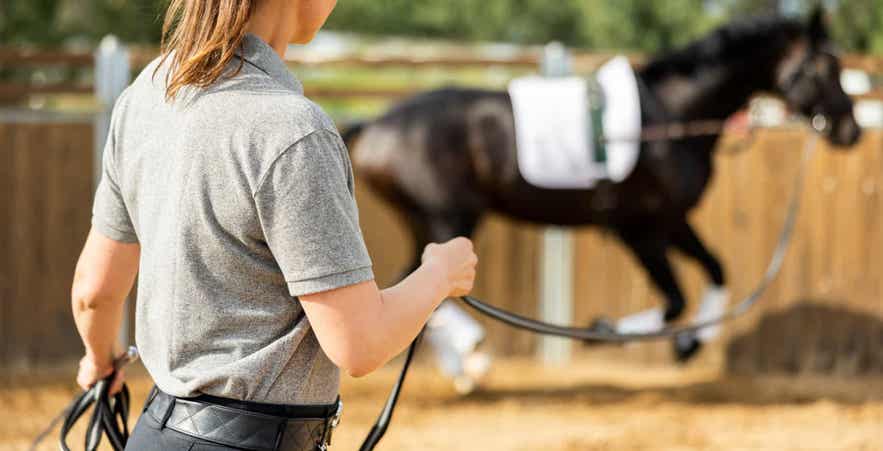
Laminitis symptoms can vary depending on severity and how quickly the condition develops. Early detection is critical.
Common signs include:
- Lameness, especially when turning or moving on hard surfaces
- Heat in the hooves
- A strong or bounding digital pulse at the fetlock
- Sensitivity or pain when pressure is applied to the toe
- Reluctance to walk or a short, stiff stride (“walking on eggshells”)
- The classic “sawhorse stance”, with front legs stretched forward to relieve toe pressure
If any of these signs are observed, contact a veterinarian immediately.
What Causes Laminitis?
Laminitis is a multifactorial condition, meaning it can develop from several underlying causes or risk factors.
Common contributors include:
- Insulin resistance and metabolic disorders (EMS, PPID/Cushing’s)
- Excess intake of sugars, starches, or fructans
- Obesity
- Sudden dietary changes
- Systemic illness or infection
- Retained placenta
- Severe concussion or trauma
- Certain medications or drug reactions
- Genetic predisposition
One of the most common nutritional triggers is carbohydrate overload, which can disrupt gut bacteria and lead to metabolic changes that damage the laminae.
Reduced exercise, especially in performance horses, can also decrease insulin sensitivity, increasing laminitis risk.
The Role of Nutrition in Laminitis Management
Nutrition plays a central role in both preventing laminitis and supporting horses already affected by it.
A laminitis-friendly diet should be built on:
- High-fiber forage
- Low sugar and starch levels
- Consistent feeding routines
Forage fermentation in the hindgut provides safe energy while supporting digestive health, without triggering insulin spikes.
Feeding Strategies for Horses at Risk
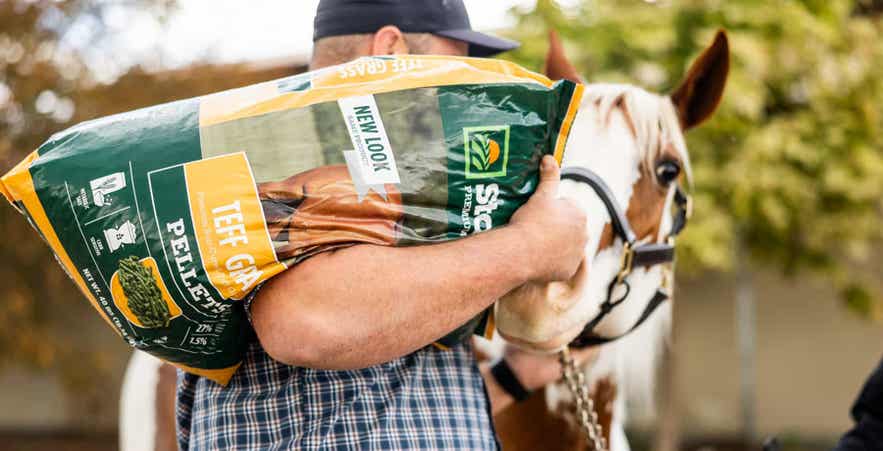
When managing horses prone to laminitis, consider the following nutrition guidelines:
- Choose forages with a combined sugar and starch content under 10%
- Feed small, frequent meals rather than large portions
- Avoid sudden diet changes
- Eliminate or restrict pasture grazing when necessary
- Monitor body condition regularly and aim for a BCS of 4-6
Forage options based on body condition:
Underweight horses:
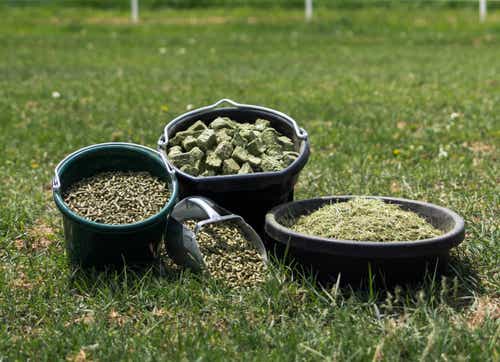
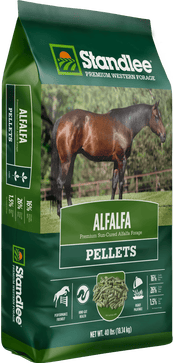
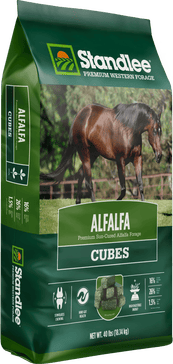
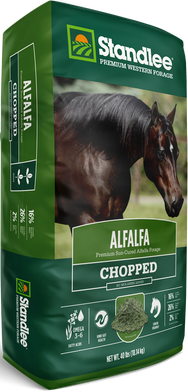
- Consider alfalfa-based forages, which provide more calories per pound while remaining low in sugar and starch
Overweight or easy keepers:
- Consider lower-calorie options such as teff grass forage, which is naturally low in sugar and start
Performance horses:
- Consider Standlee’s Smart Carb Performance Pellets, which is low in sugar and starch, enriched with probiotics, highly palatable, and grain-free
Exercise and Weight Management
Maintaining a healthy body condition is essential. Regular, veterinarian-approved exercise can:
- Improve insulin sensitivity
- Support weight control
- Reduce laminitis risk
Exercise plans should always be tailored to the horse’s comfort level and stage of recovery.
When to Seek Professional Guidance
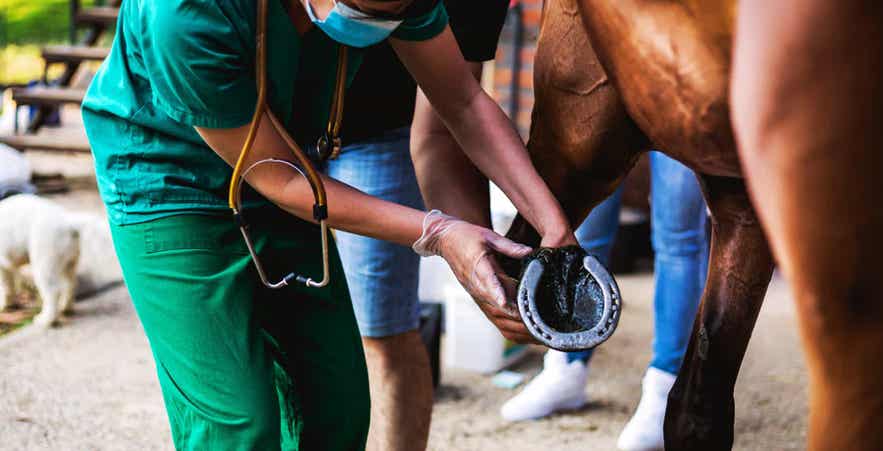
Laminitis requires a team approach. Always work closely with:
- Your veterinarian
- A qualified farrier
- An equine nutritionist
If you have questions about forage selection or feeding strategies, the Standlee team is available to help you build a forage-based plan that supports hoof health.
Supporting Hoof Health Starts with Informed Feeding
Laminitis is complex, but thoughtful management, especially nutrition, can make a meaningful difference. A forage-based diet, careful monitoring, and proactive care help horses stay comfortable and supported for the long term.
Additional Learning Resources
From the Standlee Barn Bulletin Blog
From the Standlee Beyond The Barn Podcast
Products featured in this post




Enjoying the Standlee blog?
Subscribe to Standlee emails and get our newest content (and coupons, offers, and other great stuff) sent to your inbox!
Subscribe Now