Debunking Winter Horse-Feeding Myths: What Science Really Tells Us
As temperatures drop and winter routines set in, certain feeding myths resurface year after year. Alfalfa is too rich for winter. Water isn't as important when it's cold. Grain is essential as a “heating feed”. Let’s set the record straight on what science says about feeding horses through winter.
Myth #1: Horses Need More Grain to Stay Warm
This myth is nuanced. Some horses may need more calories when temperatures drop below their body’s lower critical temperature, which is typically around 30-40°F for a horse with a dry, full winter coat. Where horse owners go wrong is assuming those calories should come from grain.
Studies have shown that increasing forage intake by 20-25% is more effective at maintaining body temperature than adding grain. This is because fiber fermentation in the hindgut produces heat as a byproduct. This means that fiber-rich forage acts like fuel for an internal furnace, providing fuel to maintain constant heat production. Grain provides quick energy but not lasting warmth. For most horses with adequate body condition, increasing forage by 10–20% rather than feeding more grain is the answer to increasing warmth. Using slow feeders or multiple hay stations can help to extend the time spent consuming forage. However, hard keepers, seniors, or horses who can't easily consume enough forage might still need additional calorie-dense feeds and/or fat supplements to help maintain desired body condition.
Myth #2: Alfalfa Is Too Rich for Winter Feeding
This myth causes many horse owners to avoid alfalfa completely during cold weather. This is unfortunate because alfalfa provides valuable calories, protein, and calcium that can support weight and muscle mass, things that many horses need in winter.
For performance horses in work, seniors who struggle to keep weight, and hard keepers fighting the cold, alfalfa can be quite a useful addition to the ration. The higher protein content supports muscle maintenance, while the increased caloric density helps horses maintain body condition.
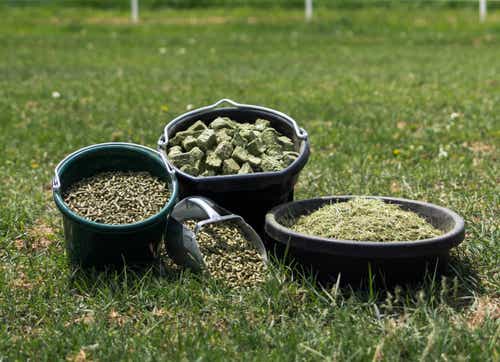
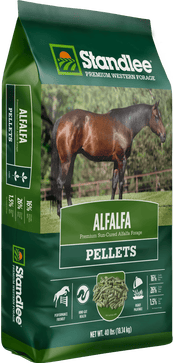
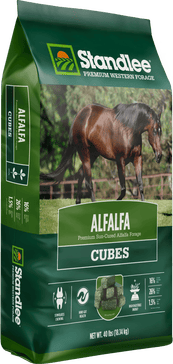
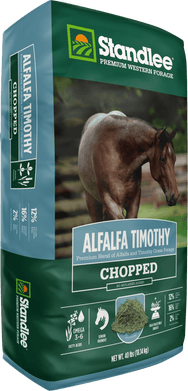
The key is to feed alfalfa appropriately. Alfalfa can be fed safely in moderation or blended with grass hays to balance the diet. Products like Standlee's Alfalfa Pellets, Alfalfa Cubes, and Alfalfa/Timothy chopped hay blends offer versatile options for incorporating alfalfa into winter feeding programs. These formats allow precise portion control and can be soaked for horses with dental issues or to boost water intake. Rather than being "too rich," alfalfa is simply a tool that needs to be matched to individual horse needs.
Myth #3: Using Blankets Means That You Can Feed Less
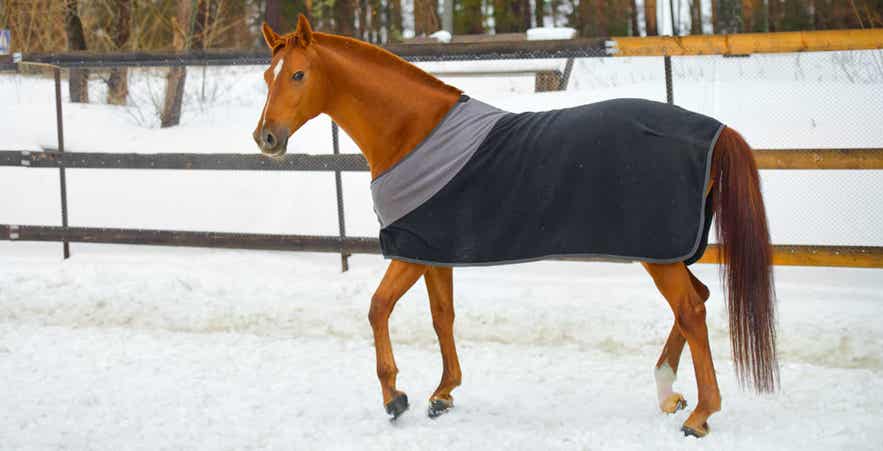
Blankets help reduce heat loss, but they don't replace adequate nutrition, nor do they replace the fiber necessary to generate internal heat. They're a tool for maintaining body condition on horses who may struggle in cold weather and for horses with a clipped haircoat. A blanketed horse still needs sufficient forage to supply calories, to maintain digestive health, and to drive hindgut fermentation for internal heat production. Blankets might slightly reduce the additional calories needed during extreme cold and in wet conditions, especially overnight, but they cannot serve as a substitute for digestible fiber and essential nutrition.
Myth #4: All Hay Is the Same Quality
This assumption leads to one of the most common winter-feeding mistakes. Nutrient composition, moisture level, and mold presence vary dramatically between hay sources, and these differences directly impact horse health and performance.
Low-quality hay doesn't just provide less nutrition per pound; it can actively contribute to weight loss, digestive upset, and respiratory issues. Dusty, moldy, or poorly cured hay introduces health risks while failing to meet basic nutritional needs. During winter, when horses depend entirely on preserved forage, inconsistent hay quality becomes even more problematic. Pay attention to refusal and waste. Fed hay is not the same as eaten hay, and if the horses are wasting almost as much as they are eating, the forage quality is likely not ideal.
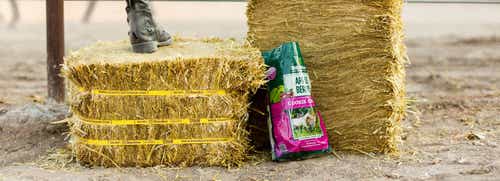
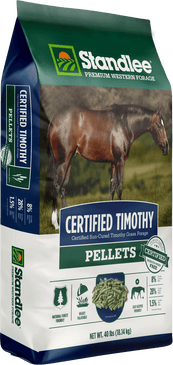
Premium, sun-cured, lab-tested forage provides dependable nutrition in every feeding. Standlee's commitment to quality control means consistent nutrient profiles across products, whether choosing Timothy Grass Mini Cubes for their clean, uniform, easy-to-chew size or Compressed Bales for convenient storage. This consistency eliminates the guesswork in winter feeding programs and ensures horses receive reliable nutrition throughout the season. When hay quality is questionable, even a partial replacement with a source of consistent quality forage will help prevent some of the unwanted consequences of feeding poor-quality hay.
Myth #5: Water Isn't as Important in Cold Weather
This dangerous myth leads to one of winter's biggest hidden risks. Many horse owners assume that because horses aren't sweating, they don't need as much water. In reality, dehydration potential actually increases in winter, significantly raising the risk of colic.
Cold weather reduces water consumption for several reasons: frozen water sources, unpalatable cold-water temperatures (horses drink more when water temperature ranges from 45–65°F), and reduced thirst drive. Meanwhile, horses still lose significant moisture through breathing, which is especially visible on cold days when you can see their breath. Dry winter hay also contains less moisture than fresh pasture, increasing baseline water needs.
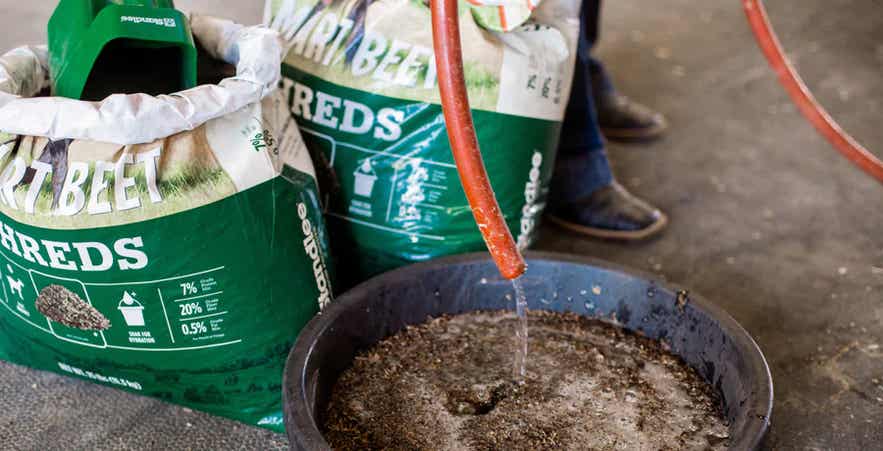
Practical strategies can make a big difference. Offering soaked forage cubes or pellets provides both hydration and fiber intake. Soaking Standlee's Timothy Grass Mini Cubes or Alfalfa Cubes creates a warm, palatable mash that encourages water consumption while delivering quality nutrition. Many horses will eagerly consume soaked feeds even when they're reluctant to drink plain water.
Additional winter hydration tips include checking tank heaters daily to ensure they're functioning, breaking ice multiple times daily if heaters aren't available, and replacing salt blocks that have become ice-encrusted or buried in snow. Salt encourages drinking, but horses can't access it if it's frozen solid or covered. Even better, feed 1 – 2 tablespoons of plain white salt daily to ensure adequate salt intake and to drive the horse’s thirst mechanism. Monitor manure consistency as a dehydration indicator, as dry, hard manure signals inadequate water intake.
What Actually Matters
Quality forage is the foundation
Premium hay or hay alternatives, fed in sufficient quantities (minimum 1.5-2.0% of body weight), provide the nutrition and warmth horses need through winter.
Hydration is critical
Monitor daily intake, use heated buckets, offer lukewarm water, provide soaked feeds, and ensure adequate salt intake. Dehydration prevention is colic prevention.
Match nutrition to individual needs
Alfalfa products can support horses who need extra calories and protein. Grass hay works for easy keepers. Adjust based on body condition, not just the season.
Winter horse care doesn't have to be complicated. Stock up on quality forage products in versatile forms, such as hay, cubes, or pellets. Ensure reliable water access through multiple strategies and regularly monitor body condition and hydration status. Feeding myths persist because they're rooted in tradition, but relying on science-backed feeding practices will always produce better outcomes than clinging to outdated information.
Products featured in this post
Enjoying the Standlee blog?
Subscribe to Standlee emails and get our newest content (and coupons, offers, and other great stuff) sent to your inbox!
Subscribe Now